
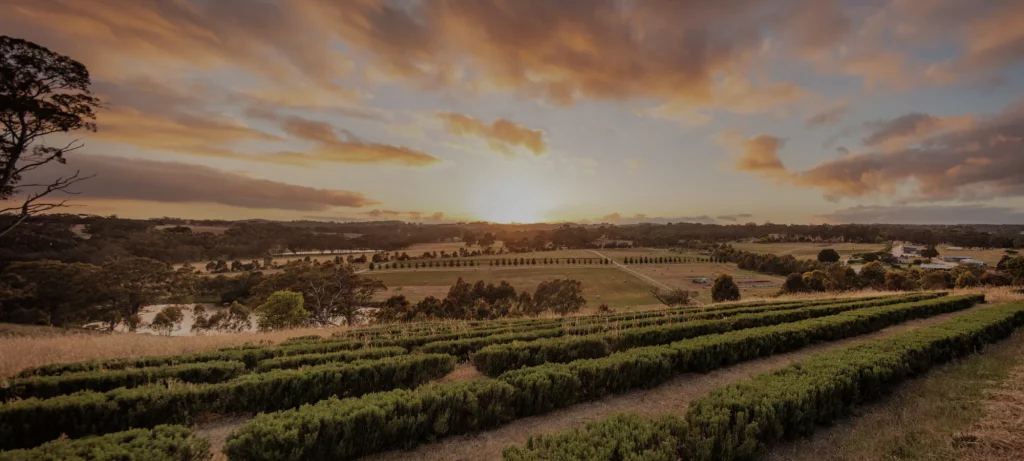
 Just beyond the city lies one of Australia’s most captivating wine landscapes: the Adelaide Hills.
Here, wine tourism is not only about tasting wines. It is about landscape, biodiversity, hospitality and the deep relationship between people and their environment.
A Wine Region Surrounded by Nature
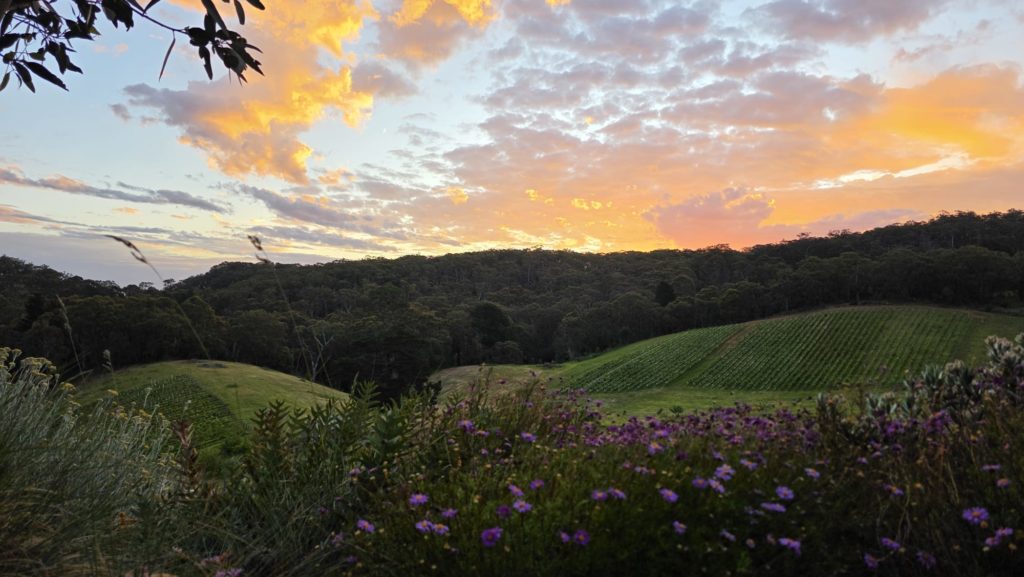
The Adelaide Hills landscape immediately captures the senses. Vineyards roll across hillsides framed by forests of towering eucalyptus — the iconic Australian gum trees whose aromatic presence fills the air.
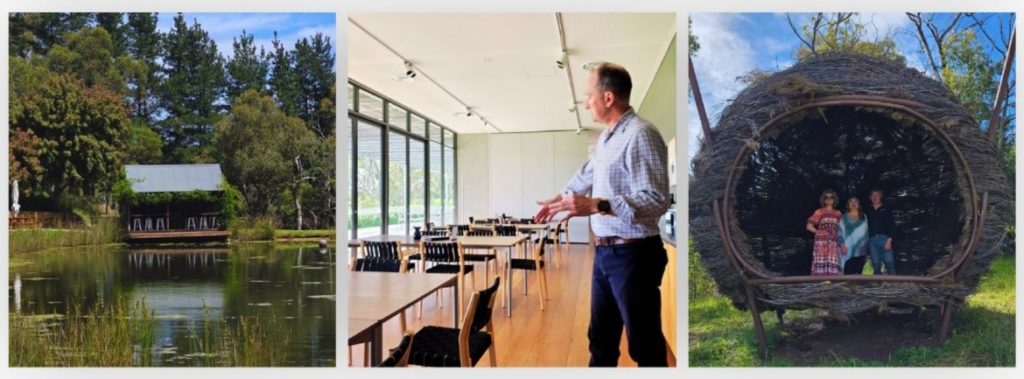
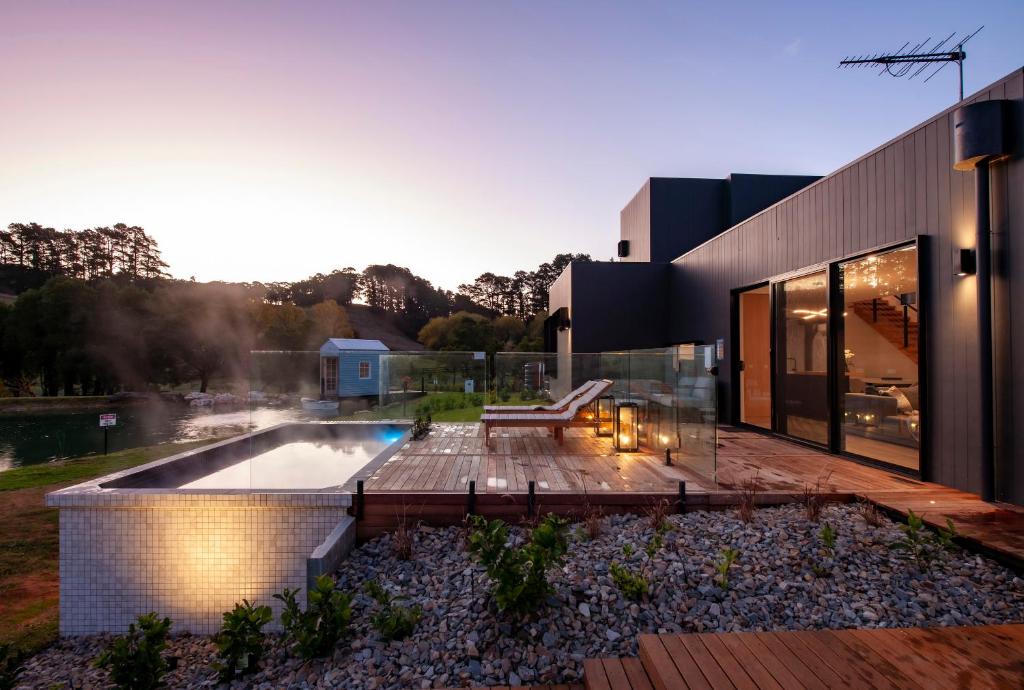
At Pavilions at Lenswood, where our journey began, the rhythm of the region becomes clear. Llamas graze quietly nearby, hens wander through the gardens, and mornings begin with birdsong rather than traffic. Accommodation is immersed in nature, offering visitors the rare luxury of silence and open space.
Wildlife here is not distant or curated — it is simply part of daily life.
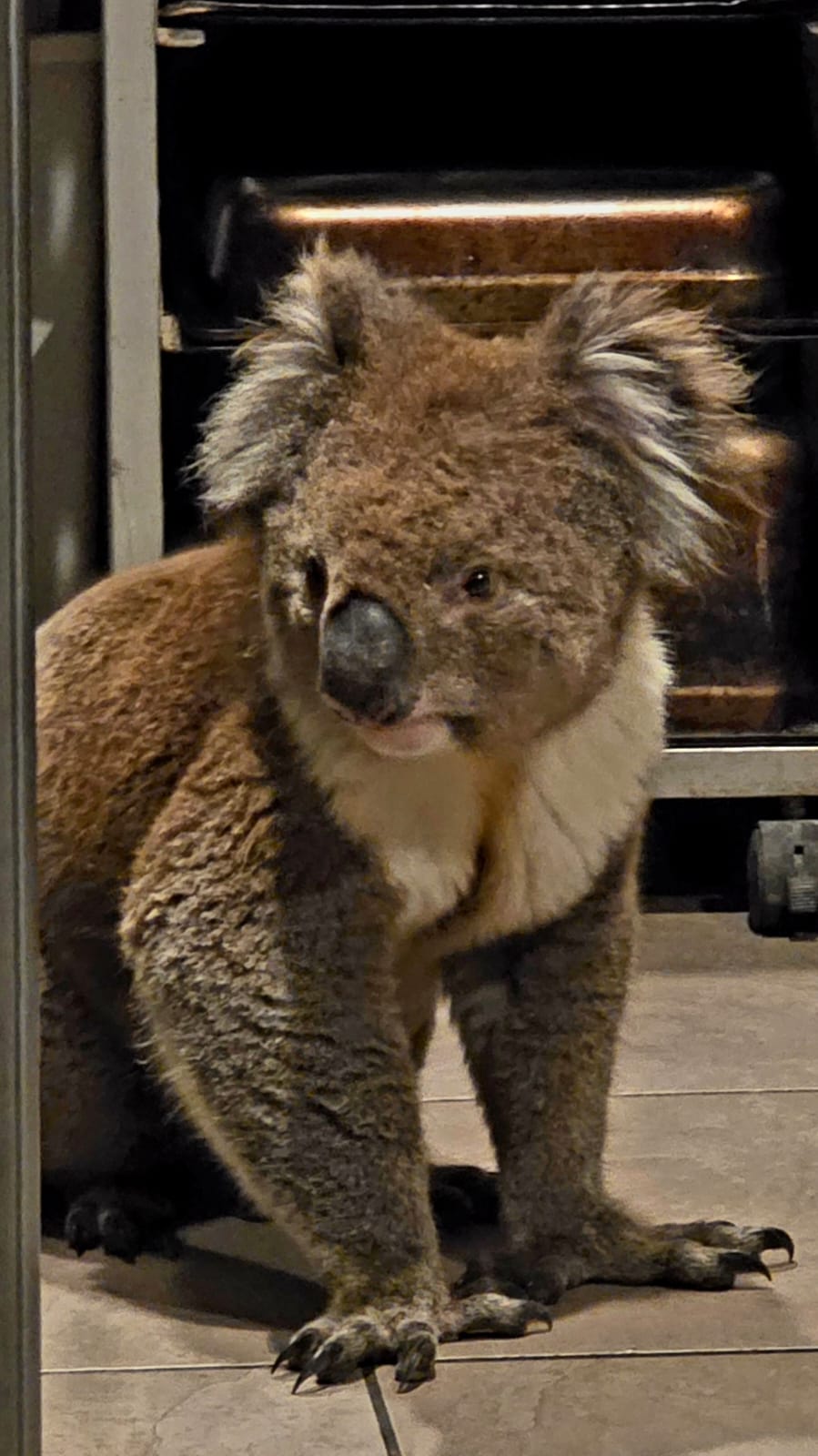
During our first evening dining on a vineyard terrace, an unforgettable moment occurred when a koala calmly wandered into the scene, briefly exploring the terrace before settling quietly nearby. Encounters like this reveal something unique about the region: nature and wine culture coexist naturally.
Throughout the vineyards, kangaroos and their joeys move freely across the landscape, sometimes resting near the rose gardens that line vineyard rows. It is a reminder that wine regions here remain deeply connected to their ecosystems.
Another detail that struck me was the deep knowledge locals have of their natural environment. People effortlessly identify birds by their calls and movements, naming them as they appear across the vineyards or in nearby trees. It reveals a genuine connection to the land that visitors quickly feel.
Aromas Beyond the Vineyard
The connection between landscape and sensory experience becomes even clearer during a visit to Jurlique Farm, a biodynamic botanical farm located in the Adelaide Hills.
Jurlique is internationally recognised for its natural skincare products, and visitors can experience the cultivation of the botanicals that form the basis of its creations. Walking through fields of aromatic plants and observing traditional drying techniques offers a fascinating perspective on the relationship between plants, landscape and sensory expression.
For someone who has studied perfumery in Grasse, France, the visit created a meaningful bridge between the worlds of fragrance and wine. Both share a common foundation: the expression of place through scent.
Immersive Wine Tourism Experiences
Adelaide Hills offers a remarkable range of wine tourism experiences that combine landscape, gastronomy and hospitality.
At The Lane Vineyard, visitors enjoy elegant wines and refined cuisine while overlooking rolling vineyards. The estate also offers immersive vineyard experiences where guests can explore steep hillside vineyards via small off-road vehicles, allowing them to discover the landscape that shapes the wines.
At Shaw + Smith, meeting David Le Mire MW provided insight into the philosophy behind one of the region’s most respected producers. His calm precision and elegance seem reflected in the wines themselves, particularly their Sauvignon Blanc, which stands out as one of the most refined expressions of the variety.
The region also embraces innovative approaches to wine tourism. At Petaluma, visitors can explore curated experiences that connect them more closely with the vineyard landscape, including outdoor activities designed to deepen the connection between wine and place.
Another highlight is Golding Wines, where hospitality and creativity come together through experiences such as the Wine Safari, taking visitors through the vineyards to panoramic viewpoints where wines are enjoyed surrounded by nature. The estate’s garden restaurant adds warmth and charm, making it one of the most memorable stops of the journey.
Adelaide: A City Deeply Connected to Wine
Back in the city, Adelaide continues to reveal its close connection to wine culture.
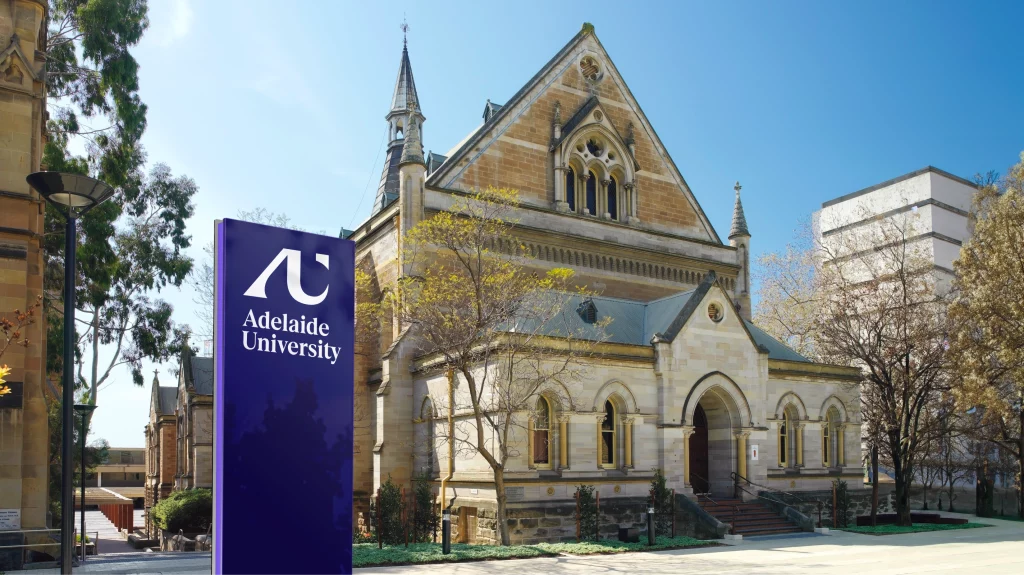
During my visit, I had the opportunity to present a masterclass titled “Perfumery for the World of Wine” at Adelaide University, one of the world’s leading institutions in wine business education.
Walking through the city afterwards offered another perspective on Adelaide’s character. The streets are peaceful, easy to navigate and beautifully maintained. Driving follows the British tradition of the left side of the road, yet the experience remains relaxed and well signposted.
For visitors, the region is both accessible and welcoming — and locals are always ready to offer directions or recommendations with genuine kindness.
Penfolds: An Icon of Australian Wine
No exploration of Adelaide’s wine culture would be complete without visiting Penfolds Magill Estate, located just minutes from the city centre.
For many wine lovers around the world, Penfolds represents one of the first introductions to Australian wine — and it certainly was for me. Visiting the estate feels like stepping into a living chapter of Australian wine history.
Our host generously guided us through the legacy of the winery, its philosophy and its extraordinary collection of wines, including the legendary Grange.
Today, Penfolds represents a global wine house while remaining deeply rooted in Adelaide’s wine heritage.
Gastronomy and Hospitality
Food throughout the region reflects the same strong connection to place.
Restaurants celebrate seasonal ingredients, local produce and culinary traditions shaped by waves of migration that have influenced Australian food culture. The result is vibrant cuisine that pairs naturally with the wines of the region.
Accommodation also reflects the maturity of South Australia’s wine tourism offering. Properties such as Pavilions at Lenswood, Beresford Estate, and boutique stays like Vale 194 allow visitors to fully immerse themselves in vineyard landscapes while enjoying warm and thoughtful hospitality.
A Destination Worth Exploring Slowly
For wine lovers, dedicating time to explore Adelaide Hills, Barossa Valley and McLaren Vale offers an extraordinary opportunity to experience one of the most dynamic wine regions in the world.
South Australia demonstrates how wine tourism can combine landscape, gastronomy, biodiversity and hospitality into a truly memorable journey.
And perhaps the greatest luxury it offers visitors is something increasingly rare today: the opportunity to slow down and experience wine at the pace of nature.
Acknowledgements
My sincere thanks to Robin Shaw for her generous support during the journey, as well as to Tara Donnelly, Wine Tourism Australia, Wines of Australia, and the regional wine and tourism organisations of Adelaide Hills, Barossa and McLaren Vale for their hospitality and commitment to sharing South Australia’s remarkable wine regions with visitors from around the world.
This article is the result of a collaboration between Winelux Business Insider and Great Wine Capitals.
Wine & Luxury Strategist | Founder of Winelux
Brand Ambassador Argentina – International Wine Challenge
Academy Chair – The World’s Best Vineyards
Commandeur d’Honneur – Commanderie du Bontemps
Member of the Experts Panel & Official Correspondent for Great Wine Capitals
Images are provided by María Laura Ortiz Chiavetta