
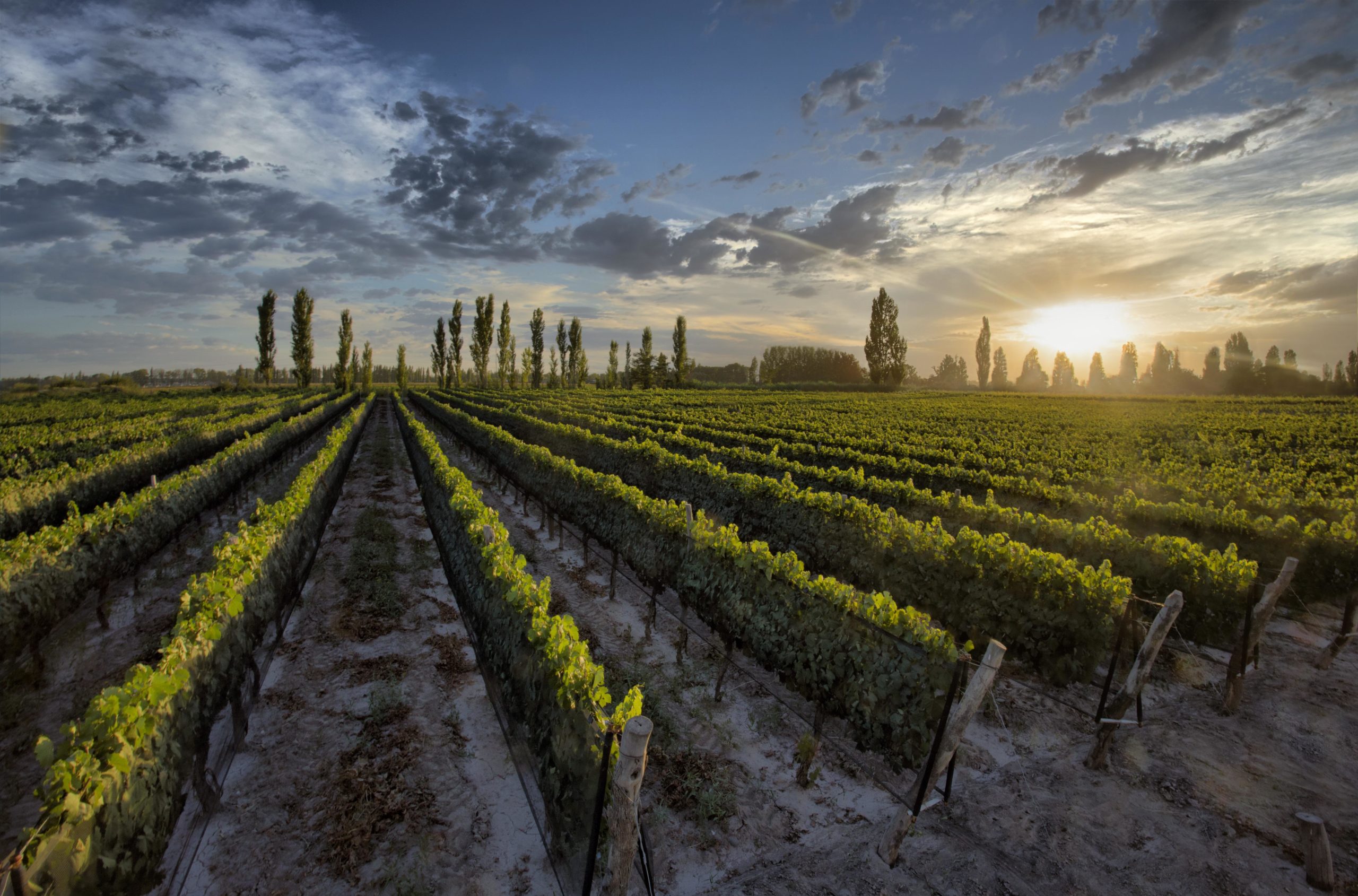
Long before the development of modern viticulture, the Huarpes, the native people of the region, designed a system of irrigation ditches that allowed the desert to be transformed into oases. These canals, which still cross the city and extend into rural areas, channel meltwater from the mountain to the trees in the city and the different plantations.
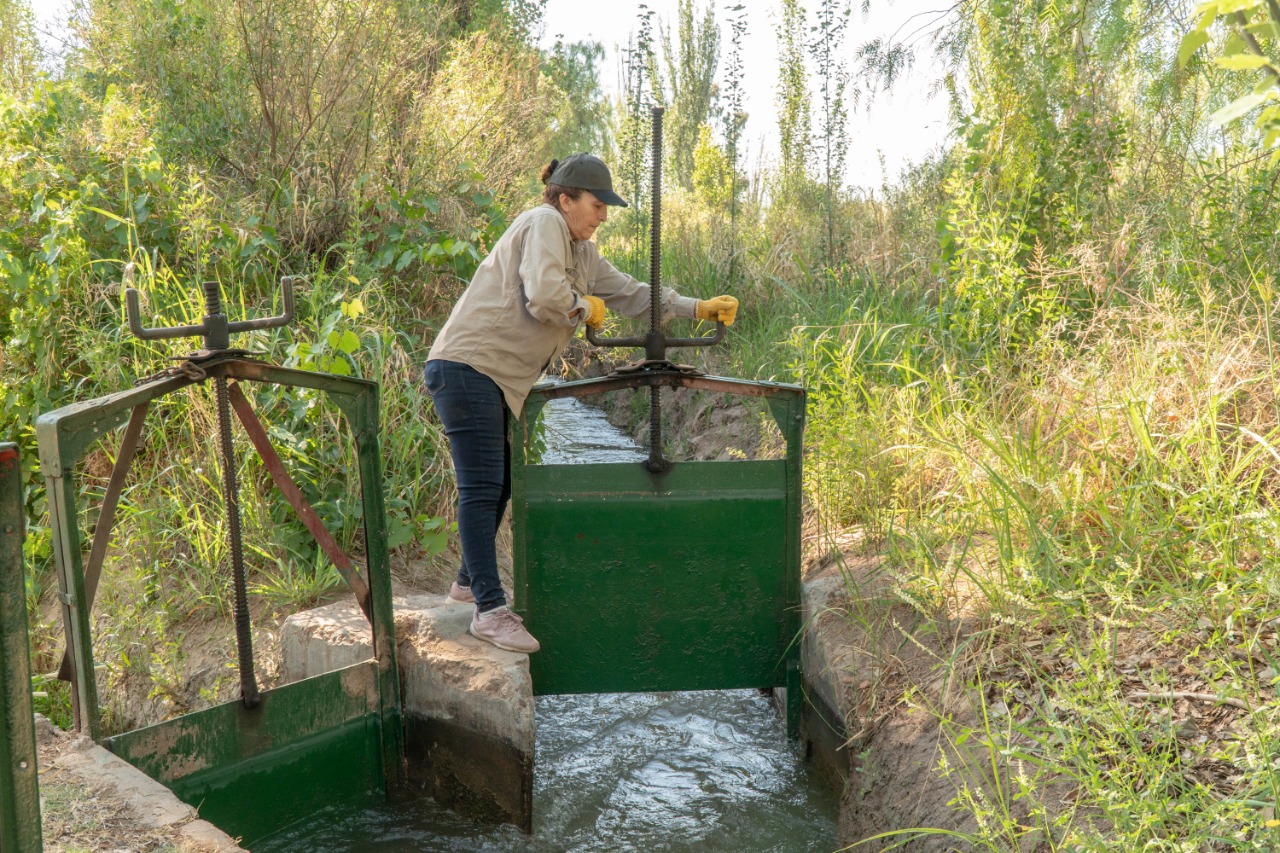
Inspired by practices of the Inca Empire, the Huarpes managed to organize an efficient model of water management that made settlements and agriculture possible.
That legacy lives on. Mendoza continues to improve the use of water, a scarce and essential resource, which today sustains both agricultural production and one of the most emblematic industries of the region: wine.
As a member of the Great Wine Capitals network since 2005, Mendoza has consolidated a wine ecosystem that combines tradition, innovation and environmental commitment. With almost 900 wineries – of which more than 230 are open to tourism – the province offers experiences that integrate food and wine, culture, well-being and business tourism, under an increasingly sustainability-oriented approach.
Cases that lead the way
Several wineries in Mendoza have taken an active role in the implementation of sustainable practices, integrating environmental, social and governance criteria into their operations. Some examples are:
Doña Paula Winery, located in Luján de Cuyo, stands as a pioneer in sustainable wine tourism and is the current Best of Mendoza’s Winner in the Sustainable Wine Tourism category. Guided by scientific research and a deep respect for nature, the winery integrates education, biodiversity, and social responsibility into its visitor experience. The winery’s infrastructure and guided experiences meet international quality standards, while showcasing cutting-edge vineyard management and winemaking practices. Through initiatives like the Vineyard School, where employees study during work hours, and workshops that repurpose corks and organic waste, Doña Paula merges education, sustainability, and community development in an original way. The preservation of a 250-hectare green belt, waste management programs, and educational outreach initiatives contribute to a holistic sustainability model. Its transparent and science based messaging strengthens Mendoza’s global positioning as a leader in responsible and innovative wine tourism.
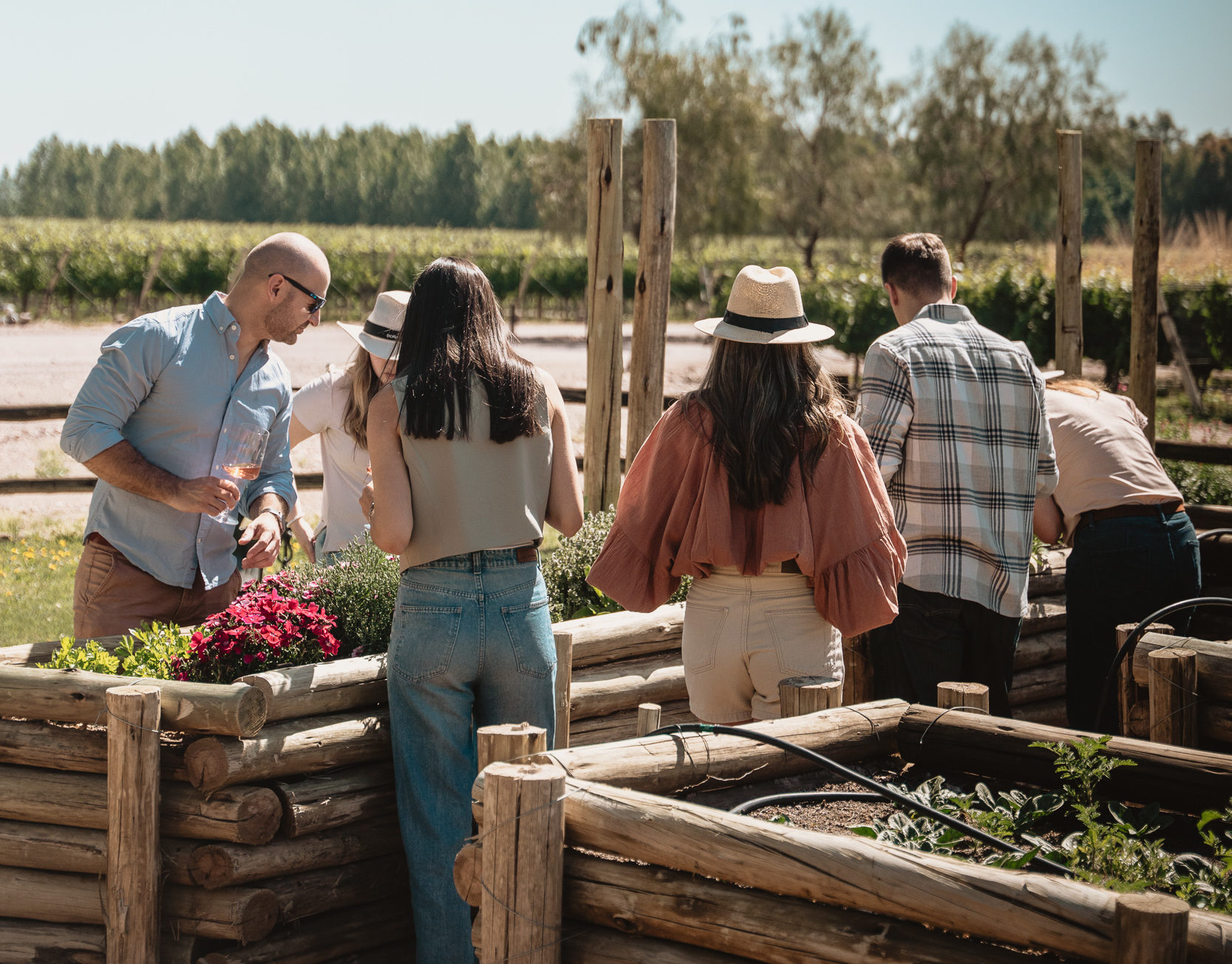
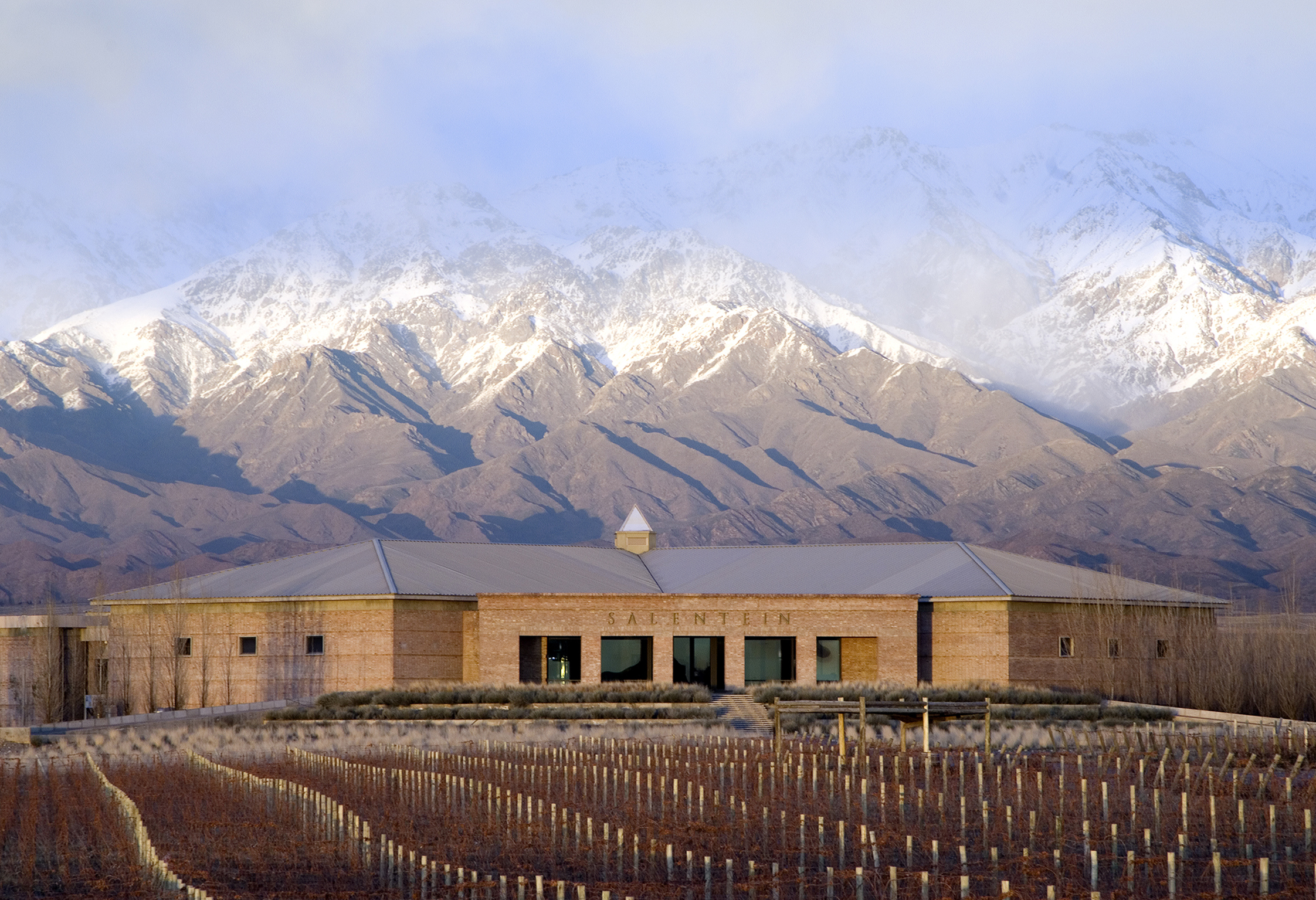
At Bodegas Salentein, sustainability is a strategic axis. The winery understands wine as an expression of the environment, which is why it works to preserve the natural balance, protect biodiversity and strengthen local communities. Its approach is structured around three pillars: environmental management, social commitment and transparent governance. This model translates into concrete actions that seek to ensure the quality of its wines without compromising the future of the territory.
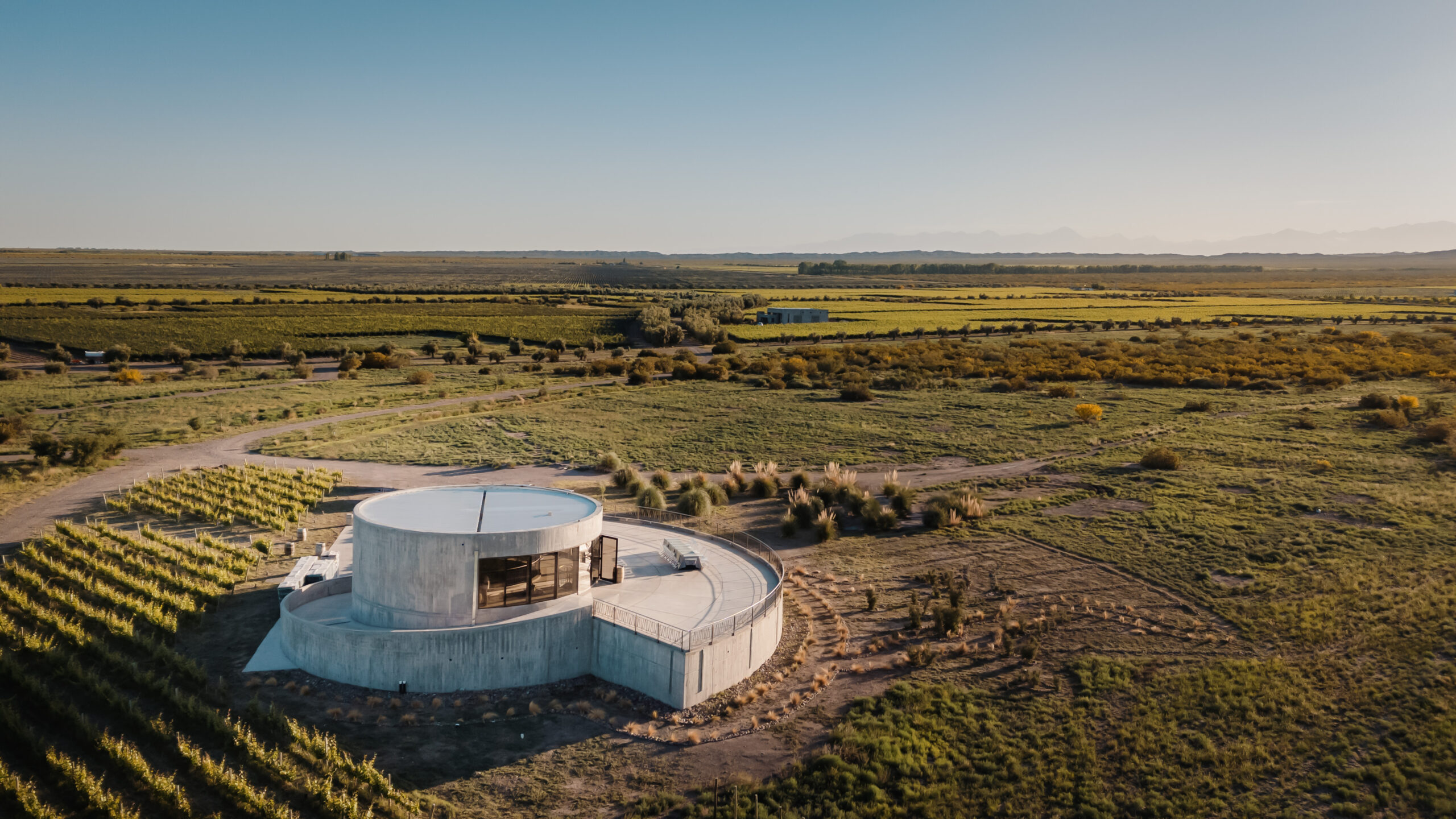
For its part, Vignes des Andes develops a comprehensive strategy that demonstrates how sustainability can be measurable and efficient. On the environmental level, the implementation of drip irrigation has made it possible to reduce water consumption by up to 60%, a key aspect in the province. Added to this is the use of lightweight bottles – with a 25% reduction in CO₂ emissions – and the preservation of 33 hectares of virgin countryside that protect native flora and fauna. The social approach is also central: the company promotes social responsibility practices, the development of suppliers under ethical standards and continuous improvement by measuring their impact. In economic terms, it shows that eco-efficiency and sustainable innovation are not only possible, but also profitable.
default
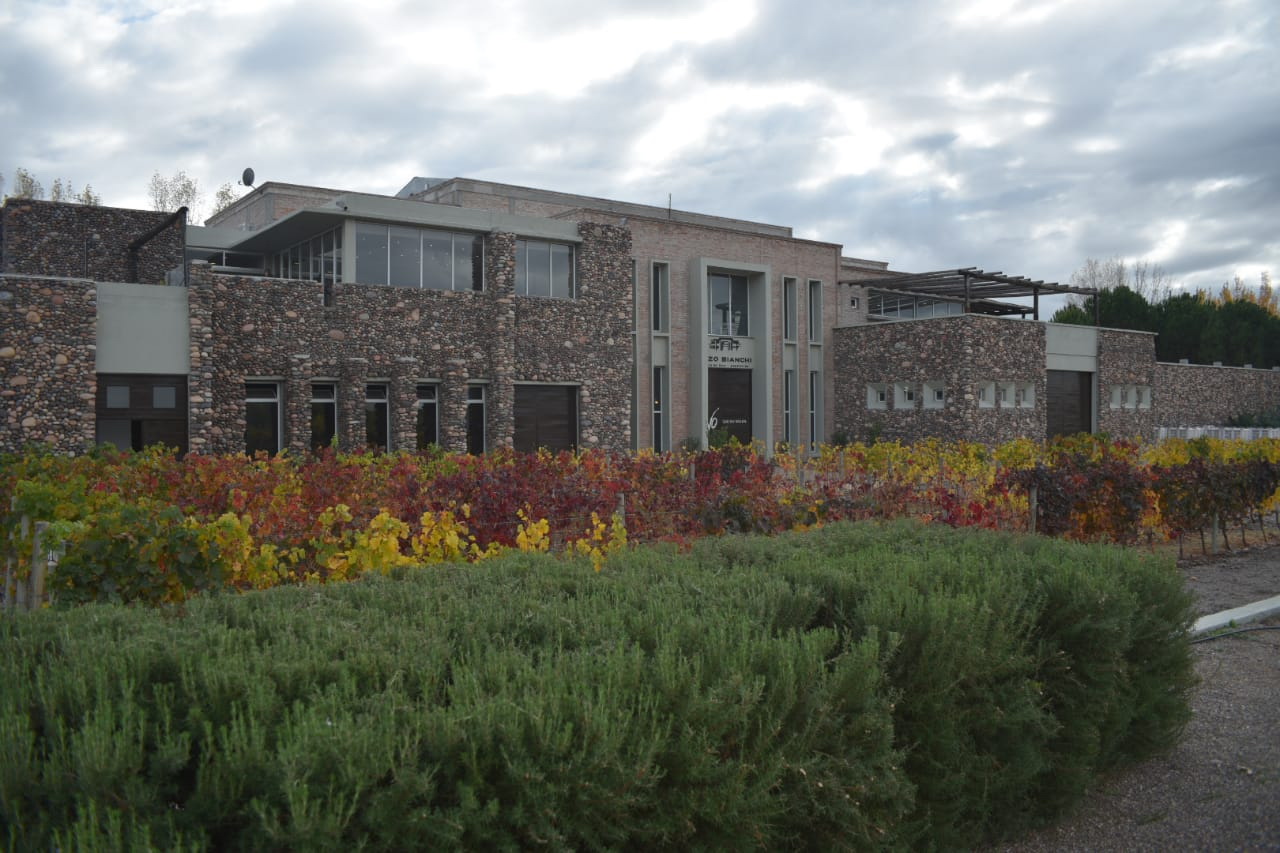
Meanwhile, Bodegas Bianchi has developed a solid sustainable management model based on the balance between the environmental, social and economic aspects. Its wineries in San Rafael and Valle de Uco are certified in the Wine Sustainability Protocol of Bodegas de Argentina, a tool that positions the country in the highest international standards. Among its outstanding practices are efficient water management —with systems for measuring and optimizing consumption, the recycling of industrial and organic waste, and the reuse of effluents for agricultural irrigation. In addition, it has achieved a 42% reduction in energy consumption since 2017, evidence of a sustained commitment to efficiency.
A model with its own identity
Mendoza’s experience shows that sustainability is not an isolated concept, but a collective construction that crosses generations. From the Huarpe ditches to today’s precision technologies, water management continues to be the axis of a resilient production model.
Today, Mendoza’s viticulture not only seeks to produce wines of excellence, but also to guarantee that each bottle is the result of a process that respects the environment and people. This comprehensive view, which combines history, innovation and commitment, positions Mendoza as an international benchmark in sustainability within the world of wine.
In short, in Mendoza the future is built with a clear premise: to take care of the oasis that was born from the desert.
Text and Photo Credits: EMETUR (Tourism Board of Mendoza)