
210 years of Rheinhessen
Rheinhessen officially came into being on 8 July 1816, when Grand Duke Ludwig I of Hesse-Darmstadt proclaimed the incorporation of the territory that would become Rheinhessen. Exactly 210 years later, the anniversary offered and opportunity to not only look back in the past. At the Rheinhes
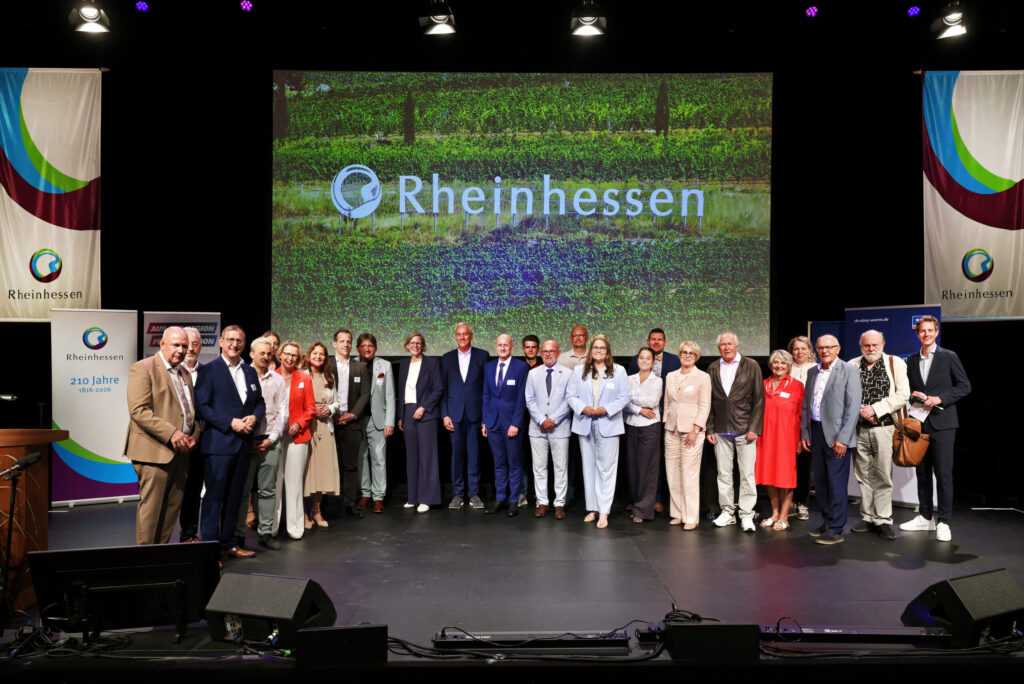
Rheinhessen Conference 2026 in Worms
sen Conference on 8 July 2026 in Worms, around 400 representatives from politics, business, wine, tourism, culture and the public came together to discuss the region’s future.
The event reflected a principle that is becoming increasingly important for Rheinhessen: progress is most significant, when regional stakeholders work together. “The strong response to the Rheinhessen Conference shows just how great the desire for exchange and joint action is,” said Stefan Braunewell, Chairman of the Rheinhessen Structural Council and Rheinhessenwein e.V. “Around 400 guests from politics, business, wine, tourism and culture made one thing clear: Rheinhessen benefits when we combine our strengths and take joint responsibility for the future.”
For wine tourism, this approach opens up considerable opportunities. Wine is not an isolated tourism product. Its appeal is created through the combination of wineries, landscapes, gastronomy, accommodation, cultural experiences, cycling and hiking, events and, above all, the people behind them. This ecosystem is now being connected more strategically.
Wine Tourism Gains Momentum
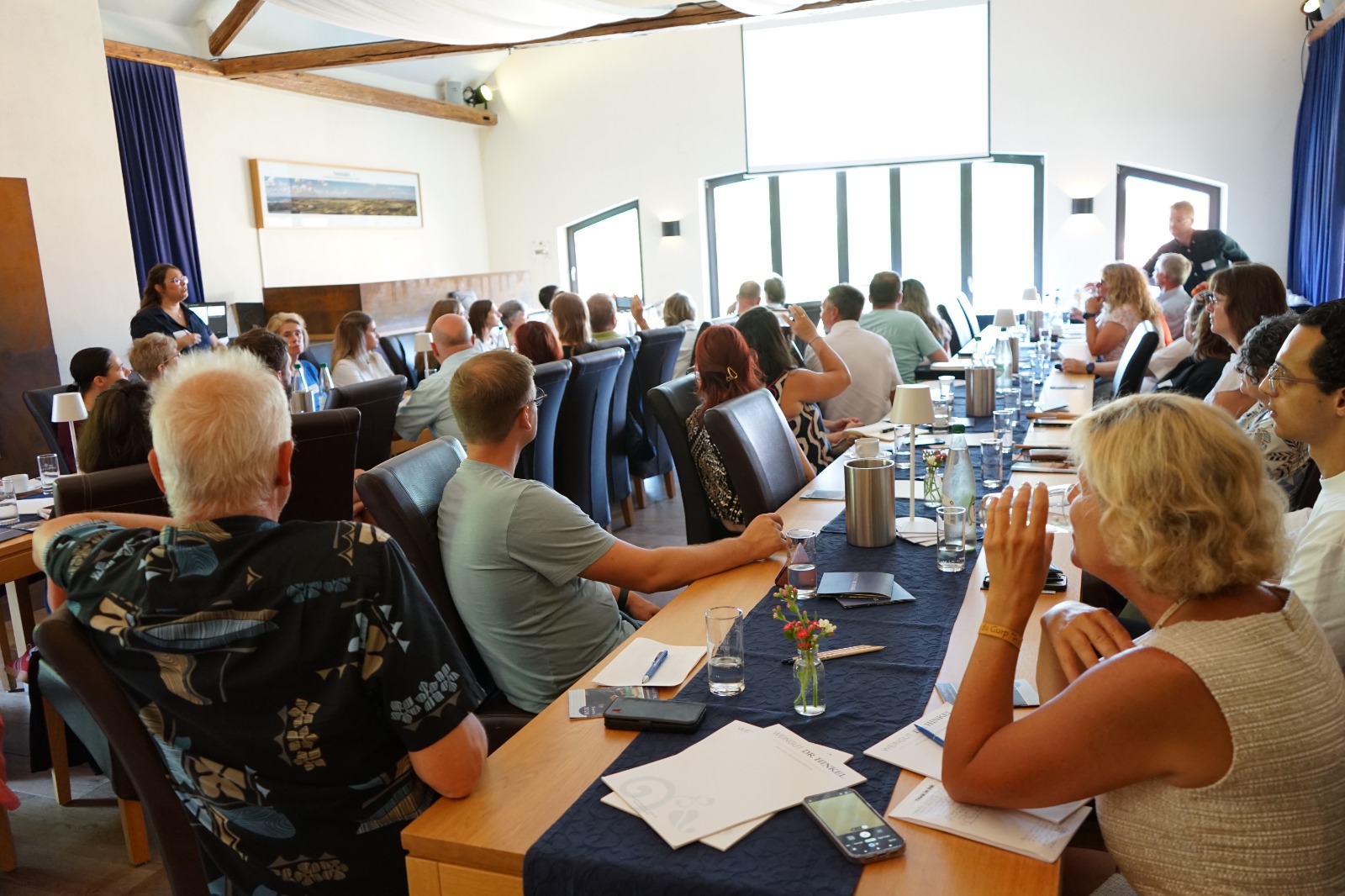
Networking event for wine tourism professionals in Rheinhessen
One of the most visible steps came at the beginning of 2026. Since 1 January 2026, Rheinhessen has had a dedicated Wine Tourism Manager, with Ellen Kneib taking on the newly created role. The position was established jointly by Rheinhessen-Touristik GmbH, Rheinhessenwein e.V., the City Council of Mainz and mainzplus GmbH. Its purpose is to bring together the key topics and activities related to wine tourism in Rheinhessen under one central point of coordination. A particular focus is on networking and knowledge transfer.
New formats, such as a B2B learning platform, aim to provide wine tourism professionals with relevant information and best practice examples on topics such as marketing, data management, AI adoption, and online booking. In addition, for the first time since the establishment of the new wine tourism position, a networking event was held for wine tourism stakeholders from Rheinhessen in August of this year. The event provided information on funding opportunities and offered insights into existing tourism services as well as ways for stakeholders to get involved.
From collaboration to a shared wine tourism strategy
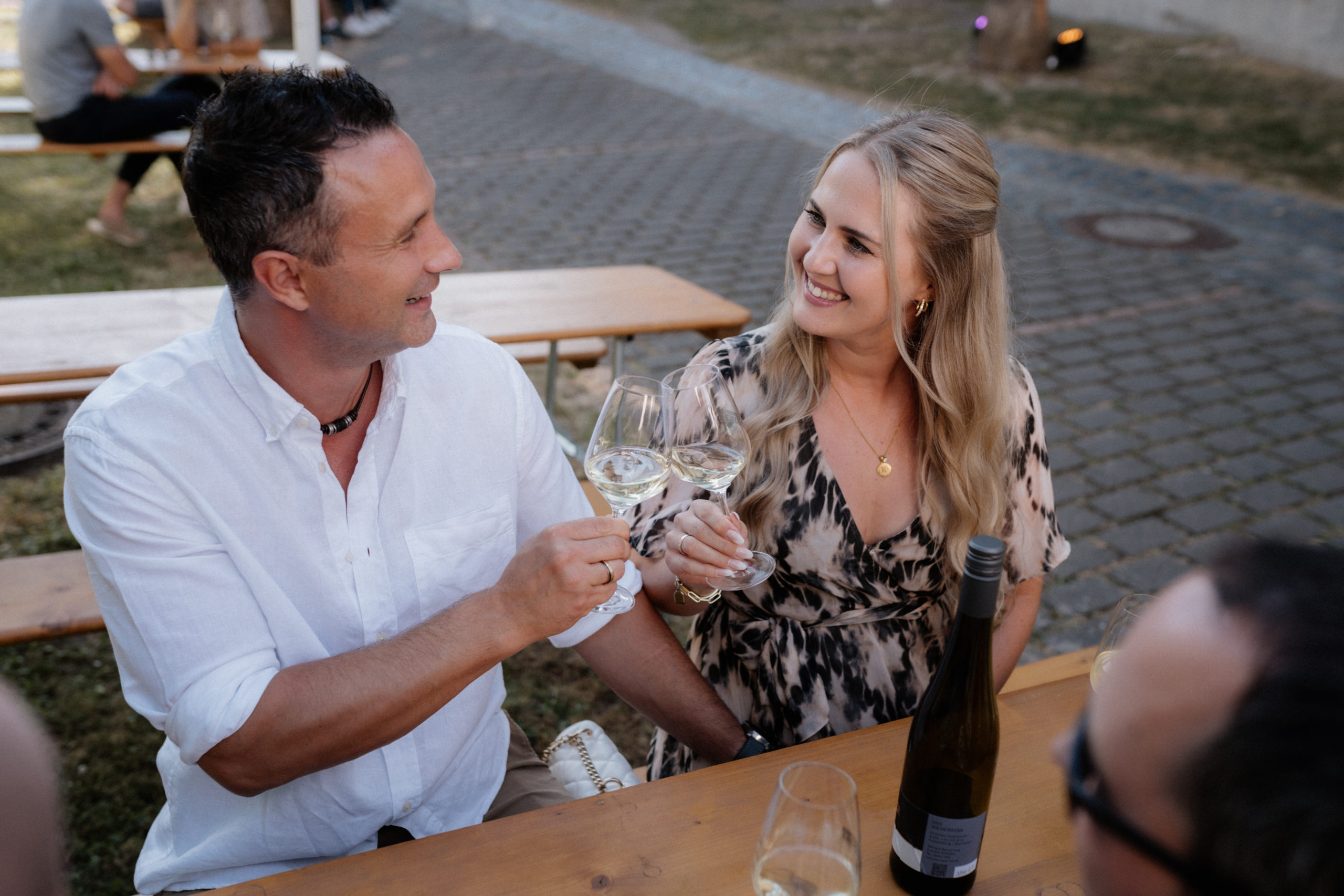
Sharing a good moment at the Rheinhessen AUSGEZEICHNET wine festival in Osthofen
The strategic direction behind these developments is set out in “Rheinhessen 2030+ – Future Strategy for Tourism, Leisure and Quality of Life”, developed by the regional tourism organisation Rheinhessen-Touristik. Wine plays a central role. The strategy program describes wine tourism as one of Rheinhessen’s defining strengths and establishes “WeinERLEBNIS Rheinhessen”, the “Rheinhessen Wine Experience”, as one of its key strategic projects. At the heart of the strategy is the principle of “Collective Impact”: tourism organisations, businesses, municipalities, political institutions and regional partners aligning their activities around common objectives.
Quality development is another important pillar of Rheinhessen’s wine tourism strategy. With the regional quality brand “Rheinhessen AUSGEZEICHNET”, selected wine shops and wine festivals are already recognised for meeting defined standards in hospitality, atmosphere, regional character and visitor experience. Building on this foundation, the programme is being further developed and extended to additional wine tourism segments. In this way, visitors receive reliable guidance when selecting high-quality wine tourism experiences.
With the Best Of Wine Tourism Awards of the Great Wine Capitals network, Rheinhessen has another strong quality label that promote exceptional wine tourism experiences. The response from businesses demonstrates the momentum within the sector. For the Best Of Wine Tourism Awards 2027 alone, 39 applications were submitted in Mainz and Rheinhessen – twice as many as in the previous year.
A regional brand shaped by its people
Collaboration in Rheinhessen is not limited to institutions and tourism organisations. In 2026, the region is also inviting people, businesses and organisations to contribute ideas for a new symbol representing Rheinhessen. The initiative illustrates a broader understanding of regional branding. A strong place brand cannot simply be created by marketing organisations and then communicated to the public. It becomes powerful when people participate in it. The ambition is therefore to move from a brand created for Rheinhessen towards a brand increasingly shaped by the people of Rheinhessen themselves.
What this means for the future of wine tourism
Successful wine destinations are built on outstanding wines and wineries – but they do not end there. They depend on the ecosystem surrounding the wine: hospitality, gastronomy, landscapes, culture, mobility, experiences, quality standards, digital services and strong cooperation between the people and organisations involved. That is precisely where Rheinhessen’s current development becomes relevant far beyond the region itself. Shared communication, coordinated themes, joint projects and new cooperation structures are helping to create a stronger and more consistent presence for the region.
The transformation taking place in 2026 demonstrates how regional collaboration can strengthen not only individual businesses but an entire touristic landscape. These developments point to a clear direction: 210 years after Rheinhessen was created as a region, collaboration is helping it grow into an even stronger shared brand – and an increasingly compelling wine tourism destination.
Author: Marielen Notzon
Photo credits: © inMEDIA Uhrig / © Marielen Notzon / © Julia Hess, Rheinhessenwein e.V.