
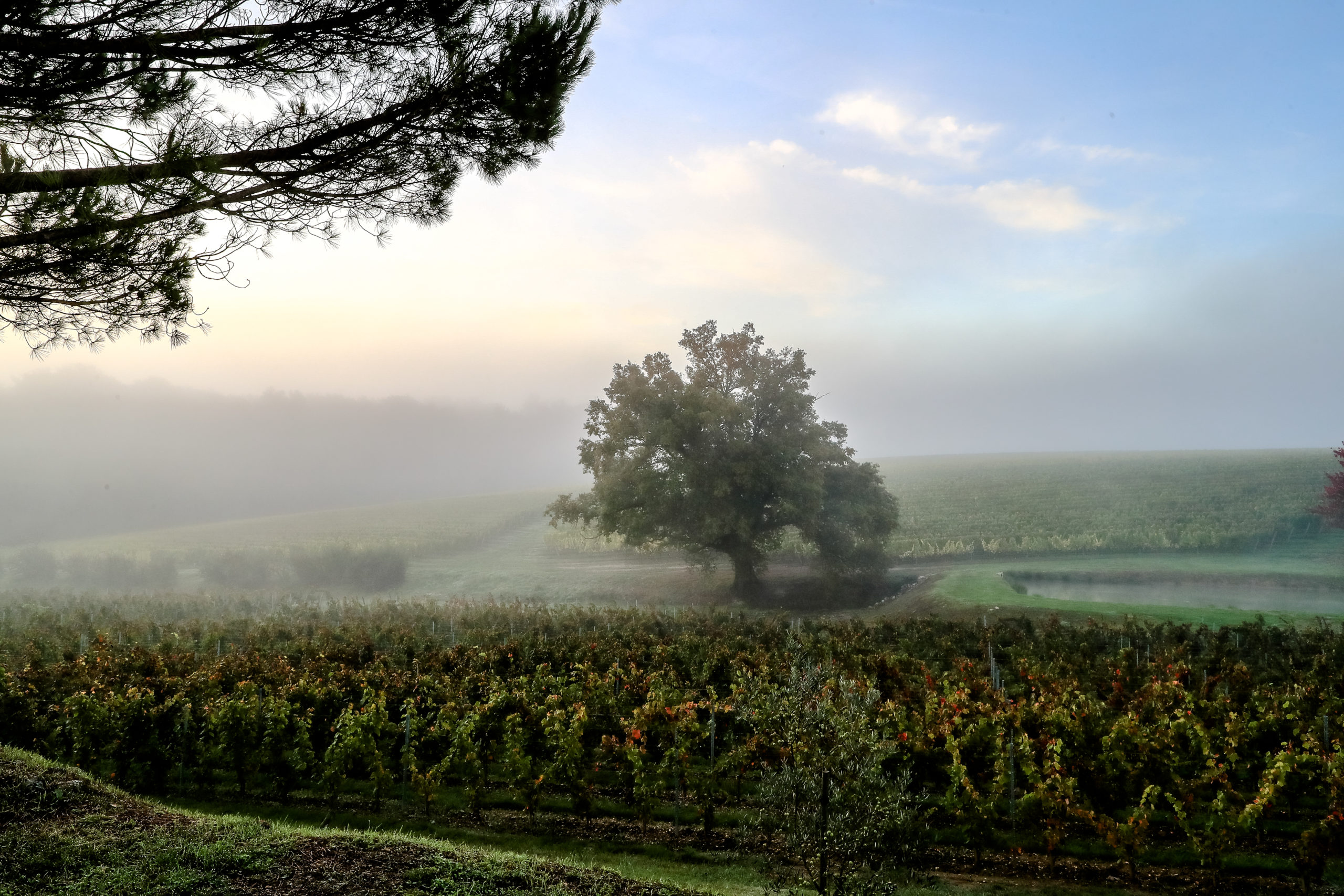
Climate change is bringing a shorter vine growing cycle to Bordeaux. The conditions may still be favourable but how to protect the Bordeaux style in the future? Growers already have viticultural and wine making tools to help, but now experimenting with the Bordeaux blend is inviting innovation.
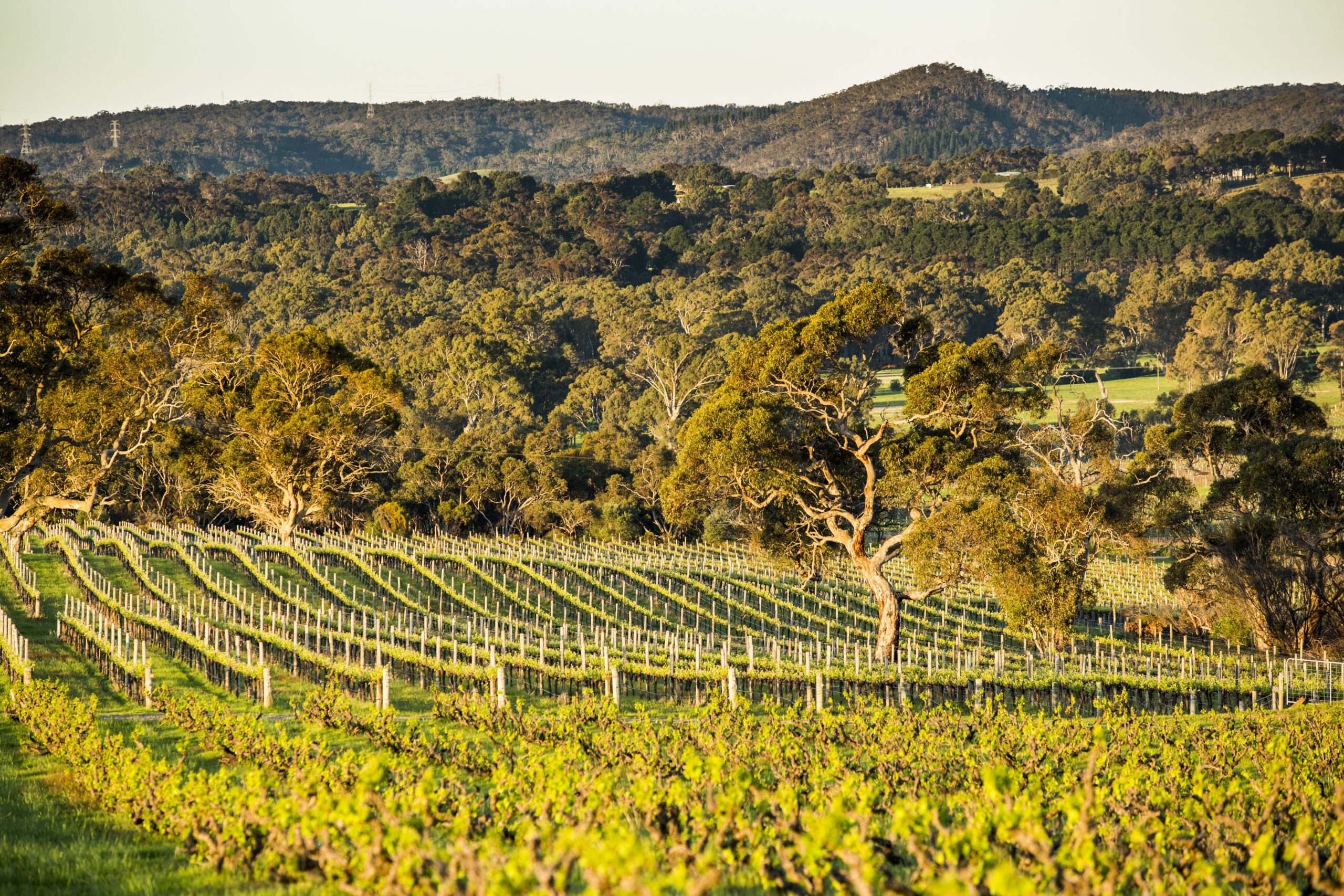
Southern Rhone comes to South Australia: How an old bush vine Grenache inspired Yangarra Estate Vineyard
The changing climate is forcing producers to rethink the varieties that will thrive in their regions.
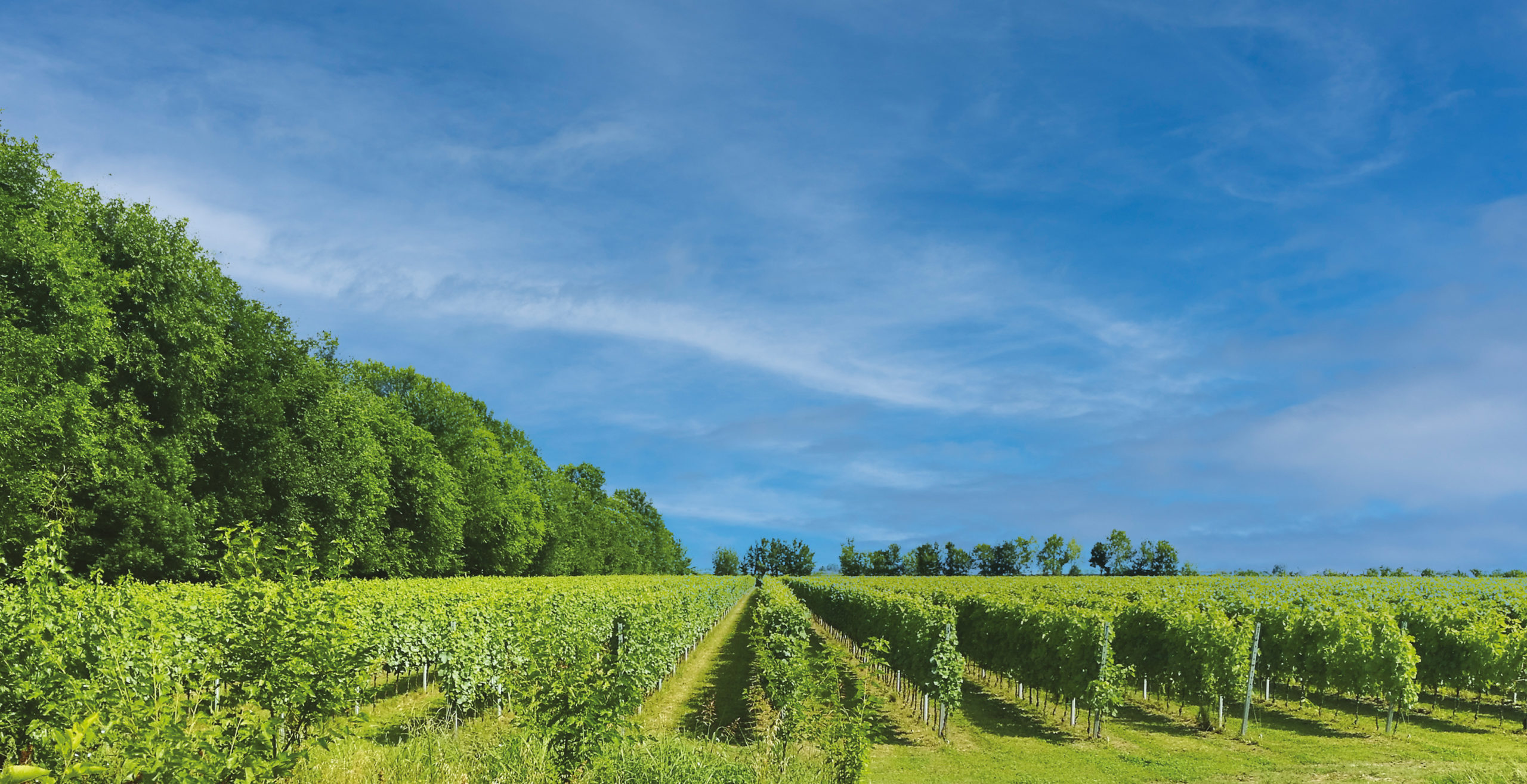
Veneto and Climate Changes: the Region produces the largest quantity of PIWI varieties in Italy
Viticulture exploits about 65% of all fungicides used in agriculture in EU. To reduce the use of chemicals, Veneto Region emerges as the leading grower of fungus-resistant grapevines. This strategy could be useful in safeguarding the wine industry, and human health.
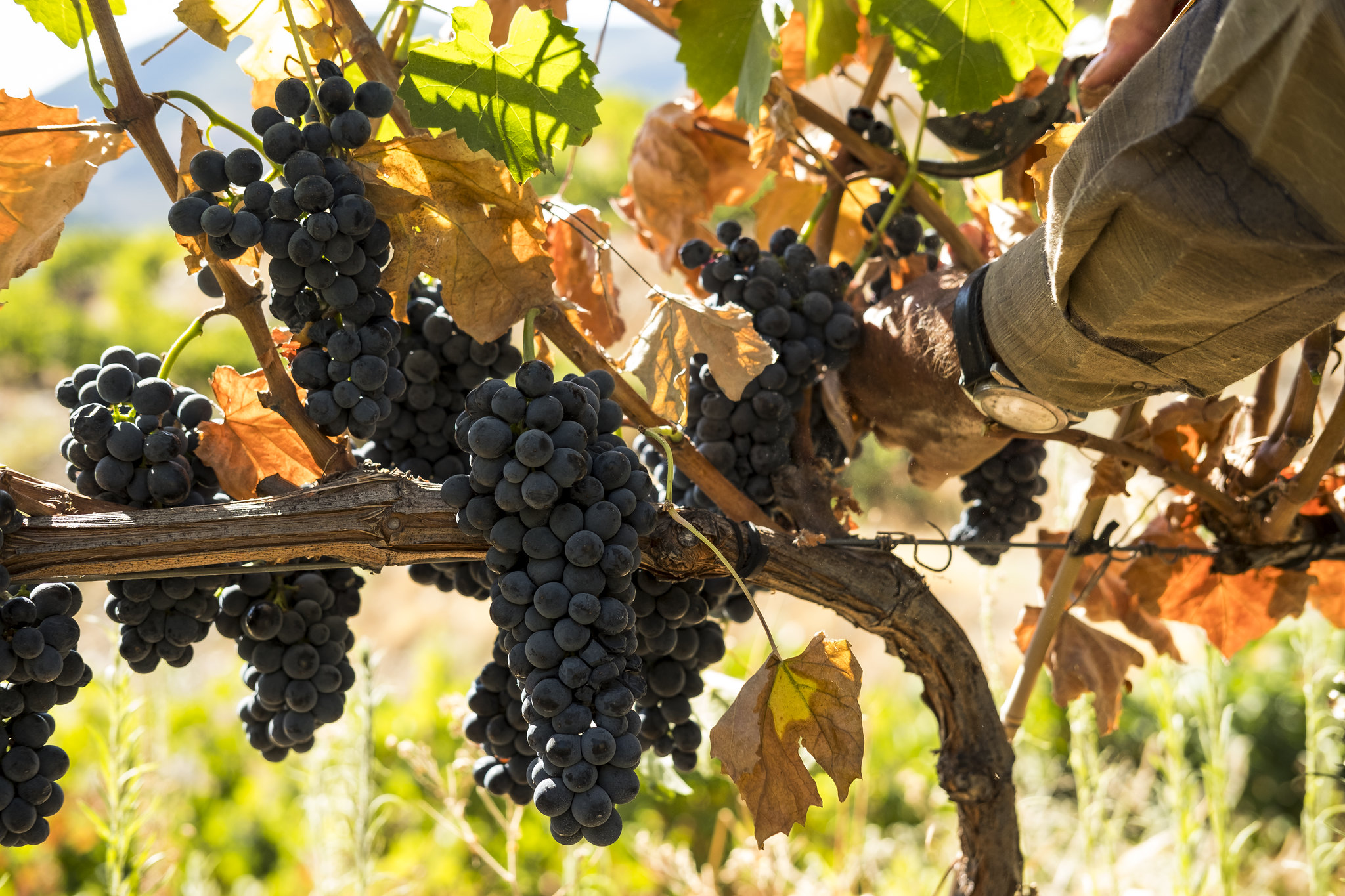
Adapting to change: new grape varieties transforming Porto, Douro and Vinhos Verdes
Porto, Douro and Vinhos Verdes regions are embracing innovation to ensure climate resilience and the sustainability of their wine and vineyards
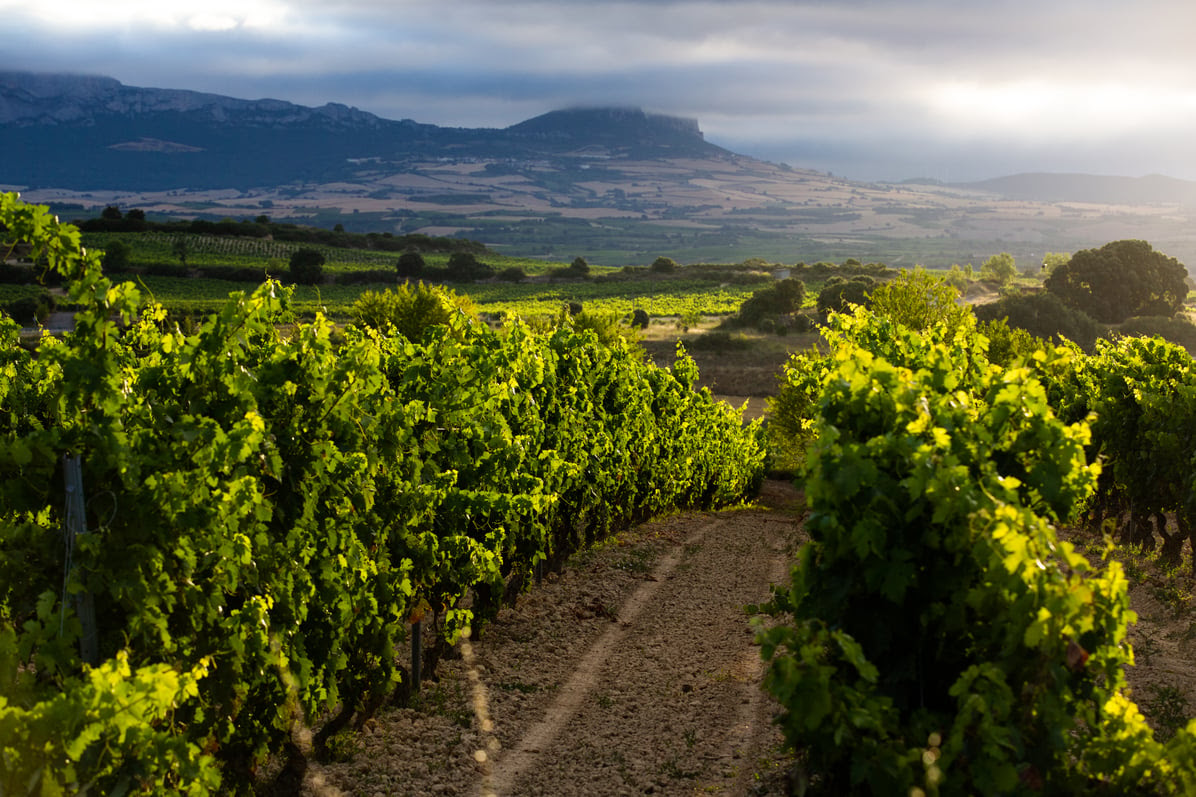
Research Guidelines for the Challenge of Climate Change in Rioja
The DOCa Rioja wants to preserve typicity and character of Rioja wines in the face of climate change. Scientists research grape varieties in Rioja vineyards to determine how they would adapt to a warmer climate.
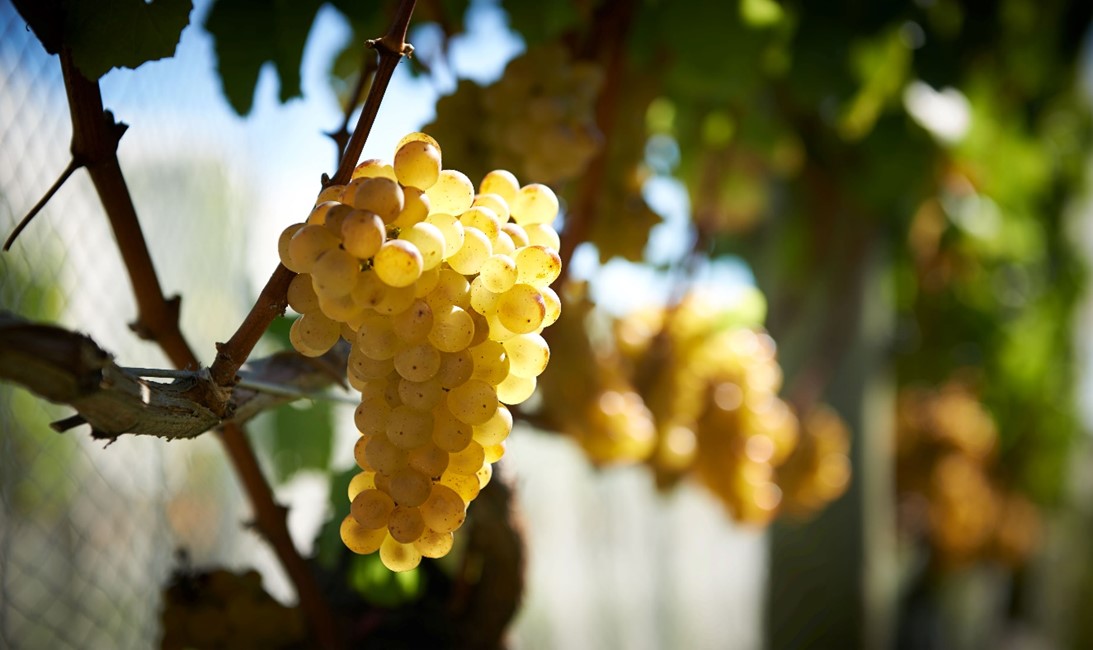
Resilient Viticulture in Hawkes Bay: Exploring New Grape Varieties for a Warmer World
Hawke’s Bay boasts a temperate maritime climate with distinct regional variations. Climate predictions however suggest several key changes in the coming decades due to climate change. The change in climate will necessitate the introduction of more warm-climate varieties, a venture which is already underway.
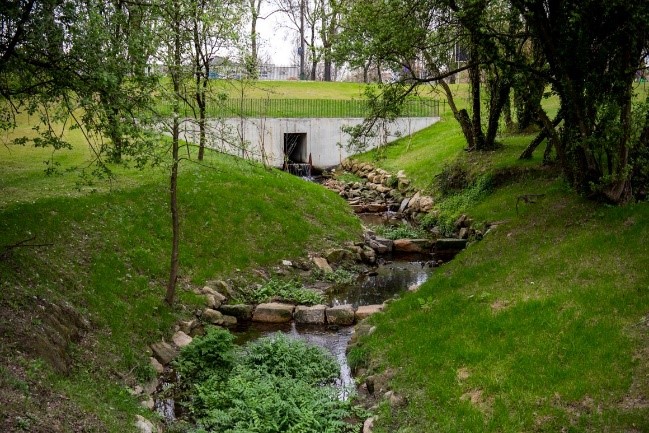
Porto’s Climate Adaptation: Strategies and Success Stories
Porto is implementing its Municipal Strategy for Adaptation to Climate Change since 2016. This plan outlined a comprehensive response to the impending climate threats, leveraging both traditional strategies and innovative approaches rooted in nature-based solutions.
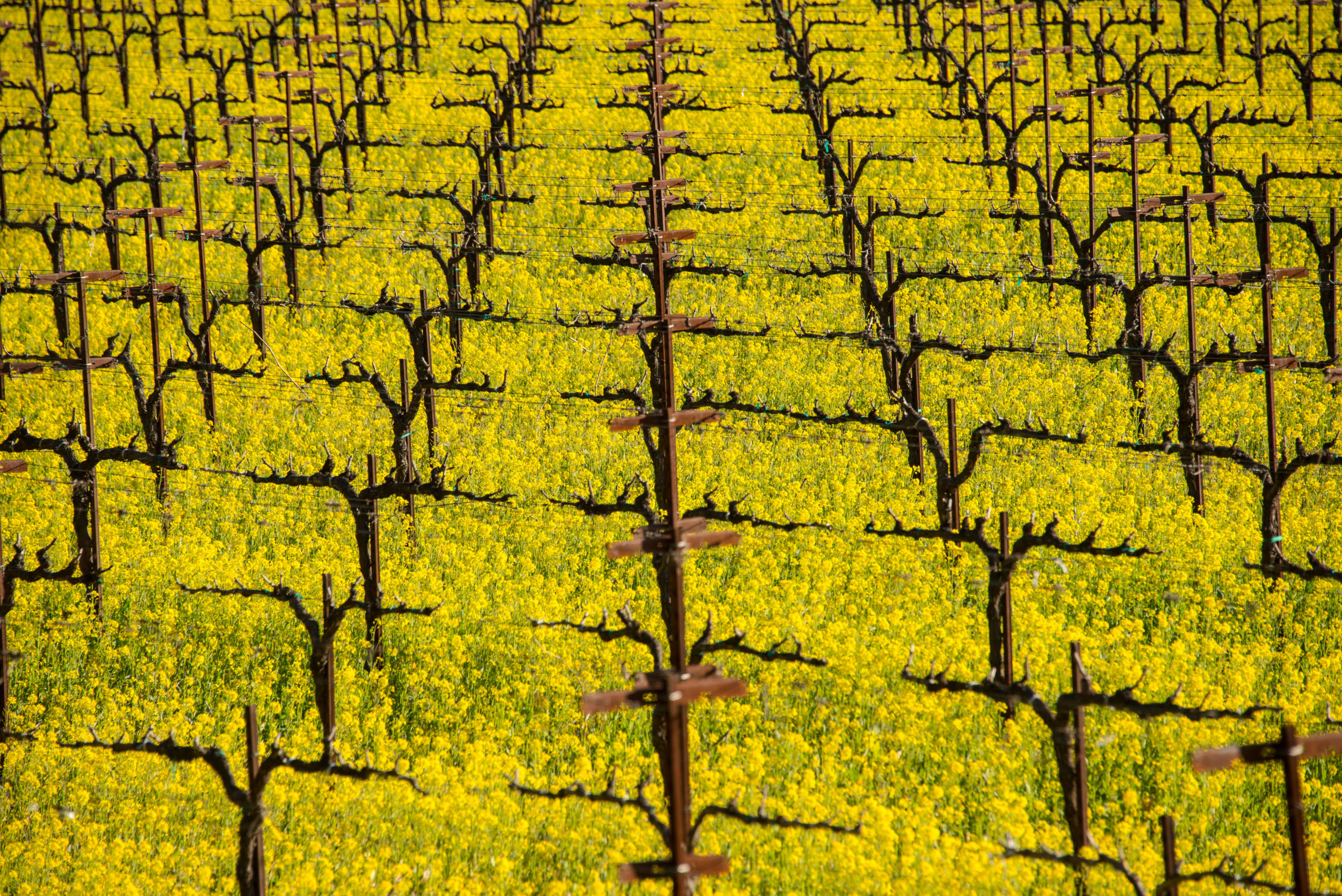
Napa Valley: Leading Climate Mitigation in Wine Industry
Many agricultural and wine-growing communities, Napa Valley included, are concerned about the potential impact of climate change. Much media attention has been paid to the natural disasters Napa Valley has faced, but what gets less attention, is how Napa Valley and its residents, viticulturists, and vintners have been at the forefront of innovation in pioneering sustainable and climate-mitigating practices.
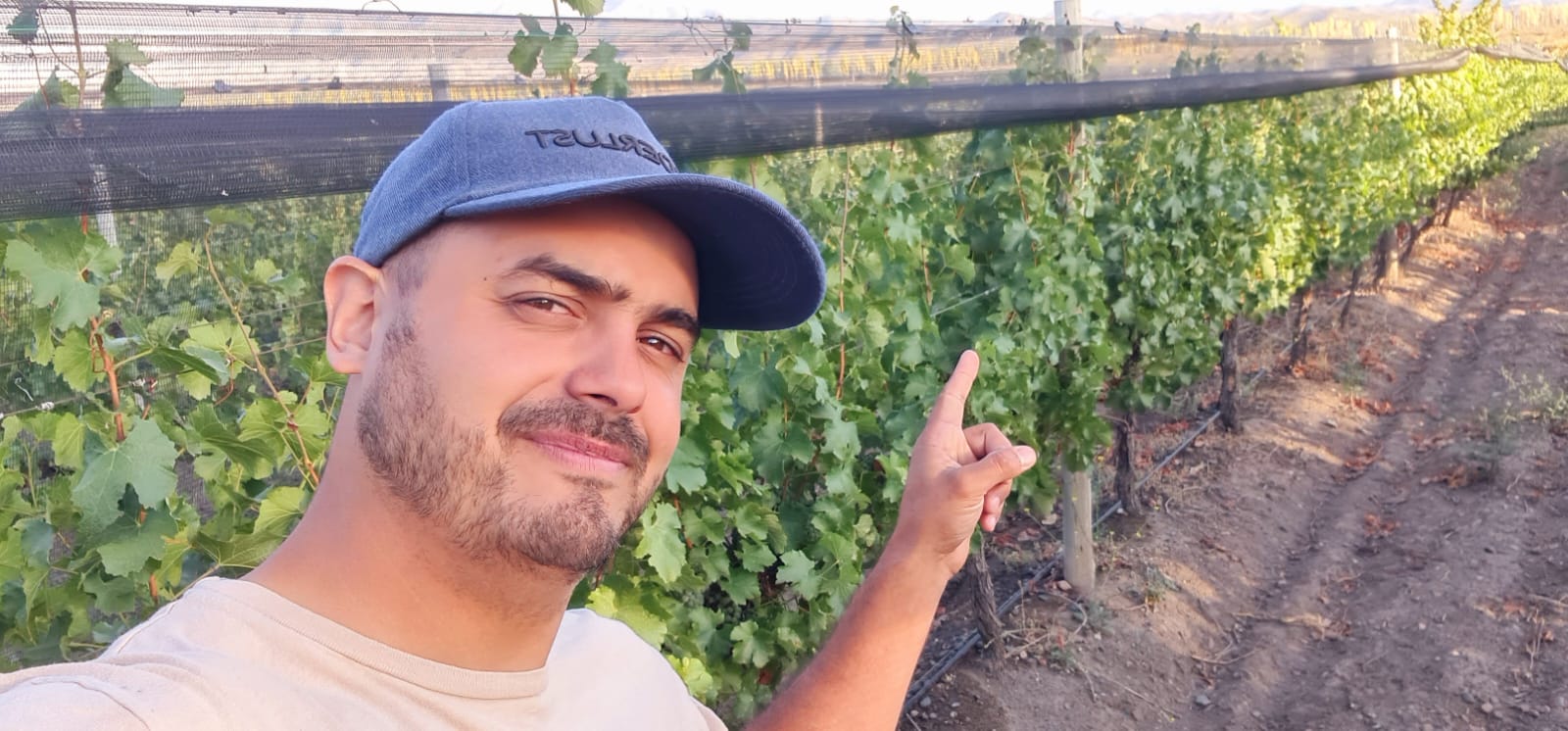
Mendoza works on initiatives to address global warming
Climate change represents an urgent problem at a global level exerting its influence in all areas of humanity. The wine industry and the wine tourism sectors are no exception.
The analysis of specialists becomes essential for decision making. In this sense, we talked to Luis Coita Civit, agronomist working on several wine projects in Mendoza, to carry out an analysis of this matter, its impact on viticulture and the initiatives tending to cushion the impacts in Mendoza.
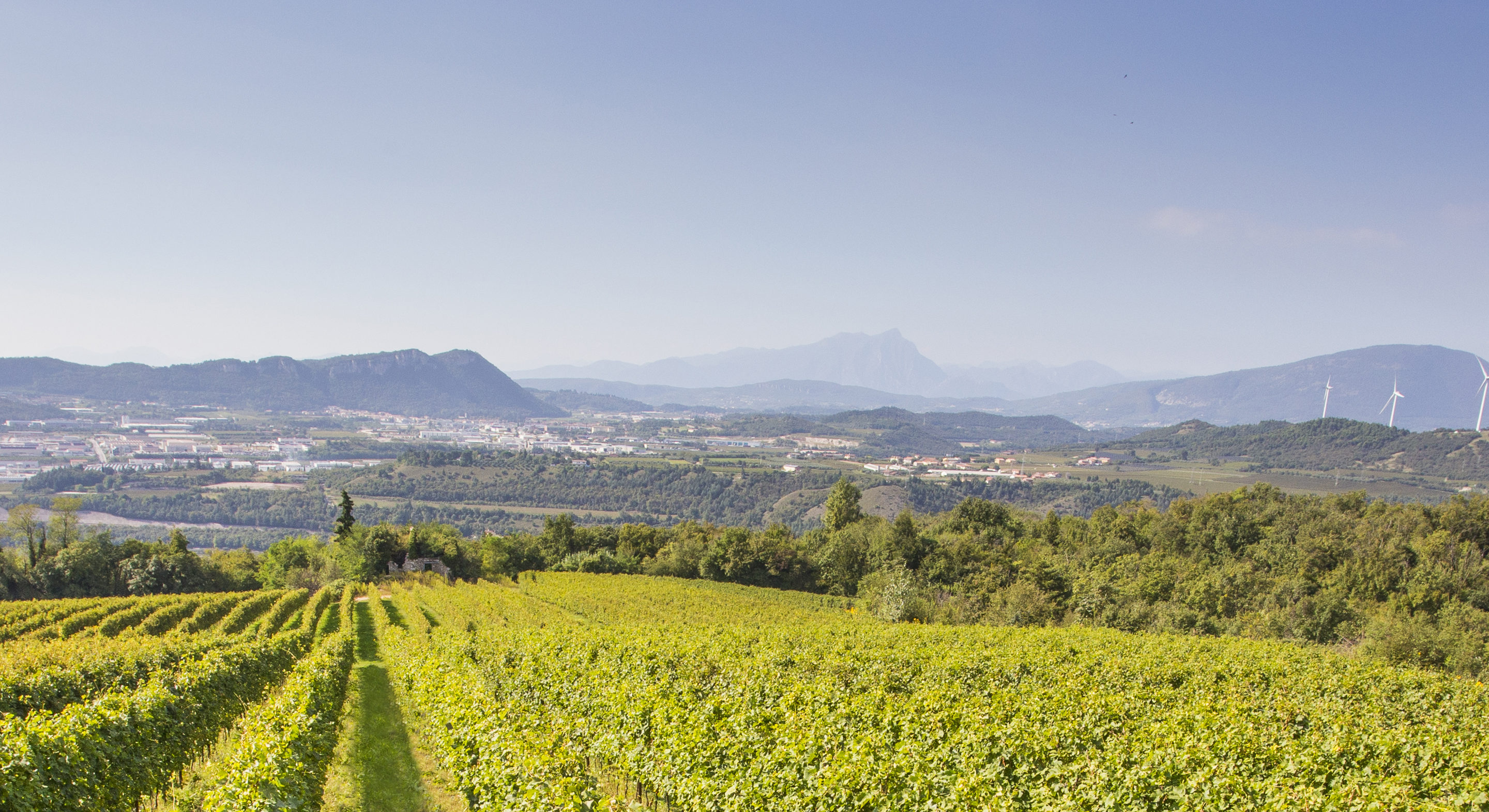
Wine production in Valpolicella (Verona) and climate change – Strategies to reduce the impact
Climate change has been impacting significantly grape and wine production in Valpolicella, particularly in relationship to the increase of seasonal temperatures.
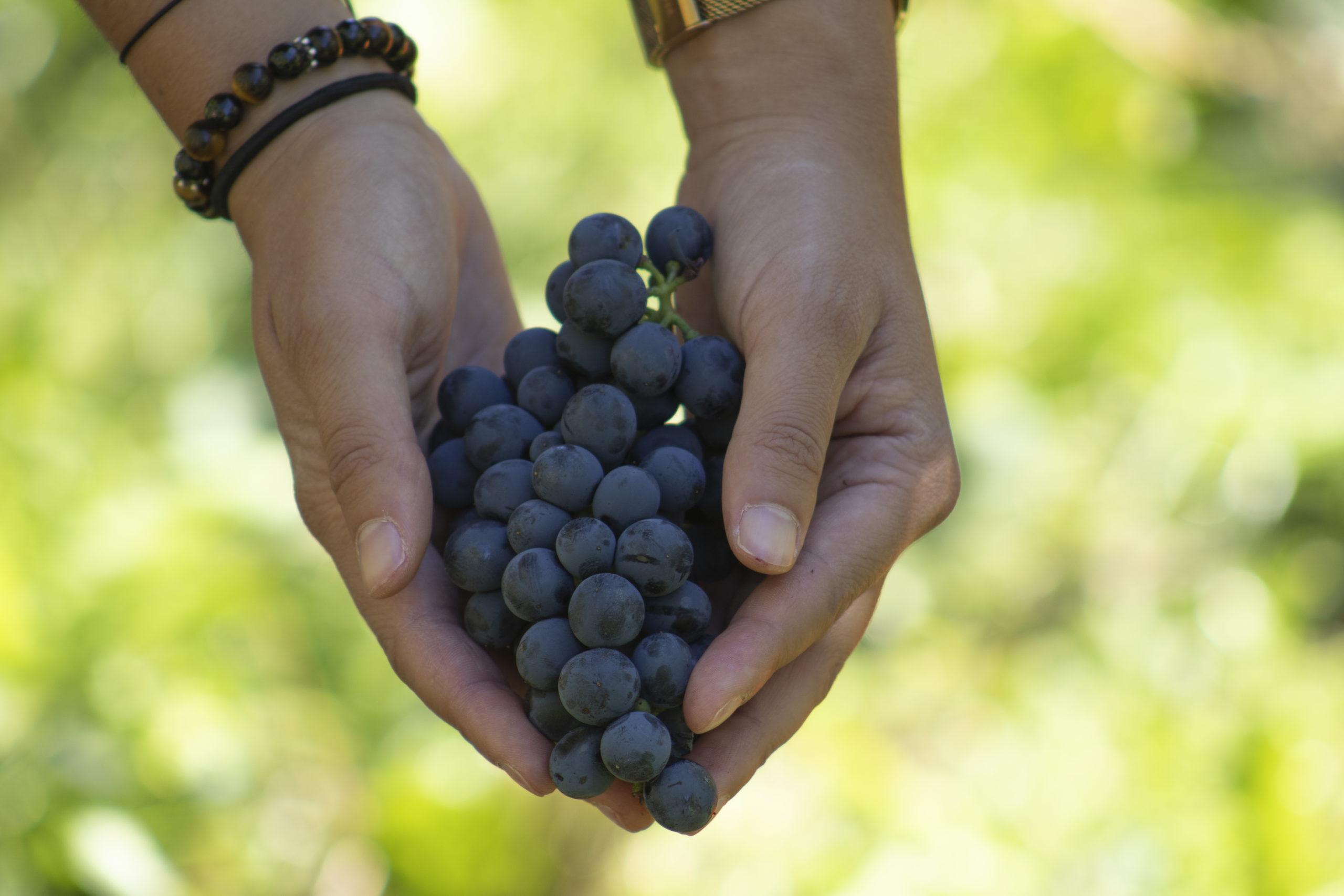
The Impact of Climate Change on Swiss Wine
The research race is on, in Switzerland as elsewhere, to clarify how abiotic factors affect plants’ phenology: we’re scrambling to learn precisely what happens to grapevines during their growing seasons when climate change causes interlinked problems due to shifts in temperature, water, solar radiation, and atmospheric CO2 concentration(1).

Climate Change in Rioja: Its Impact and How to Mitigate It
Climate Change in Rioja. Some people still doubt that our planet is getting warmer, but growers and winemakers in Rioja aren’t among them.