
Talking about hospitality in the Porto, Douro and Vinho Verde wine regions goes beyond welcoming guests. It is about embodying and humanizing the true essence of a destination.
Authenticity lives in the hands and hearts of those who make these regions unique. From the UNESCO World Heritage landscapes, carefully shaped by generations of human presence, to wine tasting and gastronomic indulgence, in Porto’s Great Wine Capital people are not just part of the experience, they are its core value.
Landscape as memory
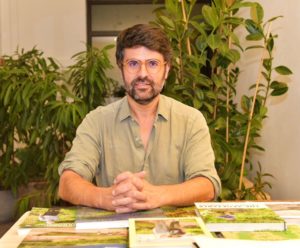
What truly defines a territory is what is felt rather than what is seen. In that silent conversation, the landscape becomes a living narrative that visitors read instinctively, without words.
João Bicho is a landscape architect working across several estates in the Douro, including Quinta de Ventozelo, winner of the 2026 Best Of Wine Tourism Global Award. His work focuses on the dialogue between nature and human intervention.
In his words, “we aim to strengthen the presence of nature within the agricultural landscape, restoring native vegetation, creating small woodlands, integrating vineyards and olive groves, and designing spaces that enhance the relationship between people and territory”.
Time acts as a quiet accomplice. “These are long-term projects that follow the natural rhythms of growth and regeneration, and their results unfold over time. It is in this commitment to biodiversity, sustainability, and the unique identity of the Douro that we find the purpose of our work.”
Food as identity
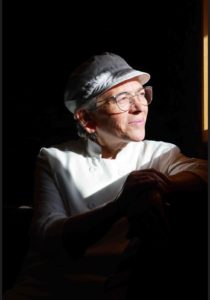
“Our intention is to serve our love for Douro, the ingredients of our land, the recipes we learned from our grandmothers and mothers, and the pure joy of welcoming people to our table.”
Rosário is the chef at Toca da Raposa, a family-owned restaurant in the Douro region where traditional Portuguese cuisine is reinterpreted through a deeply emotional and local lens. Rather than simply preparing dishes, she and her mother, Maria da Graça, work with memory and heritage, bringing together family recipes, seasonal ingredients, and the rhythms of the surrounding landscape.
At Toca da Raposa, local ingredients become expressions of identity. “We have a legacy to respect and preserve. Our menu is seasonal, our techniques are ancestral, and the memories created around each table last forever.”
Wine as a bridge
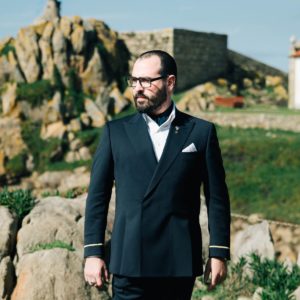
The same logic applies to wine. A sommelier serves as a bridge between the land and the table. Every glass of wine from the Douro or Vinho Verde is a condensed expression of altitude, soil, climate, and time. Yet what makes it truly memorable is the way it is shared, explained, and experienced.
Carlos Monteiro, better known as CaJó, is a sommelier at Casa de Chá da Boa Nova, a two-Michelin-starred restaurant in Matosinhos, near Porto, where wine is treated as a language of place rather than simply a product. His role is to translate the identity of Portugal’s wine regions into emotion and understanding, guiding guests through the nuances of each glass.
“For me, presenting a wine is almost like reciting a poem. It’s not only about information, it’s about creating a feeling. I always try to simplify the message and focus on what truly enchants the guest: the story behind it.”
Recently honoured with the Michelin Guide 2026 Sommelier Award, CaJó was born and raised in the Douro Valley. His close connection to the land led him to understand that “wine is made from pruning to glass, and every step tells the story of the many people whose dedication and talent make each wine unique.”
Through his perspective, wine becomes a direct expression of landscape, climate, and human intention, revealed sip by sip.
Hospitality as Connection
And then there is hospitality in its purest form: the human connection with the visitor. A guide is not a narrator of facts, but a keeper of ancestral wisdom, who passes down the living memories of a territory from one generation to the next.
Fernando Pessoa, the renowned Portuguese poet, once wrote a poem that captures this very feeling.
“Iʾm a keeper of sheep.
The sheep are my thoughts
And each thought a sensation.
I think with my eyes and my ears
And with my hands and feet
And with my nose and mouth.”
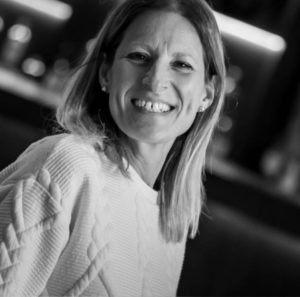
Mónica Nogueira is a wine tourism guide who shapes the visitor’s journey through emotion and storytelling. More than presenting places or facts, her role is to create meaning between people and territory. Through her guidance, the experience becomes personal and immersive, allowing visitors to feel the landscape rather than simply observe it.
“I have been a tour guide for 30 years, and I never tell the same story twice. Hospitality requires the humility to understand that it is not about us, but about each visitor. Every person arrives with different interests, needs, and perspectives. At the same time, I have witnessed the remarkable growth of wine tourism in Porto, the Douro Valley, and the Vinho Verde region. Every tour is an opportunity to learn, discover, and explore new places. No standard routes allowed.”
Her impact extends beyond the visitor experience to the local communities and operators that make wine tourism possible. As she explains, “It’s a cycle: tourism is a vehicle for growth. As the offer evolves, the experiences become richer and more diverse. At the same time, visitors contribute to that evolution, helping the destination improve and reinvent itself every day.”
In the end, Porto, Douro and Vinho Verde are more than destinations of wine, landscape or gastronomy. They are destinations of human presence. What remains is the memory of how it felt to be welcomed into a place where everything speaks the same language: authenticity.
Photos courtesy of the interviewees.
Photo credits: Yanira Gabriel
Learn more about Porto – Great Wine Capital