
September arrives. The heat begins to ease, a cooler breeze returns, and across the vineyards, the rhythm of the year shifts.
This is vindima — harvest season — one of the most intense and deeply rooted moments in the wine regions of the Douro and Vinhos Verdes, surrounding Porto.
But there is something to understand before you arrive: you do not simply do the harvest. You are invited into it.
First, Accept the Invitation
Harvest is not a performance staged for visitors. It is work, tradition and family life unfolding much as it has for generations.
To be welcomed into a vineyard at this time of year is to be given access to something that exists with or without you. Accept the invitation with curiosity, and for a few hours, you can step beyond the role of visitor and into the rhythm of the place.
And that rhythm starts early.
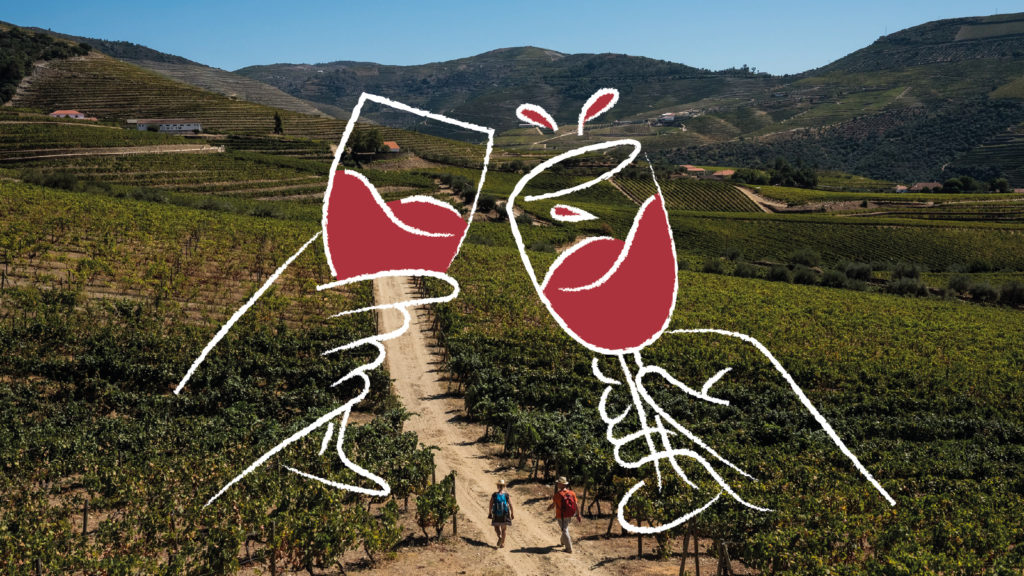
Follow the Morning
Walk towards the vineyard and listen.
Pruning shears cut through the morning air. Conversations carry between the vines. Tractors move across the earth. Somewhere, harvest songs rise in unison.
There is sweat-soaked laughter, the warmth of the vines, and the sweet scent of grapes still holding the last heat of August.
The basket begins to fill.
Then it begins to weigh.
Feel the Work
Harvest is beautiful. It is also demanding.
With every handful, the basket grows heavier. Purple juice stains our gloves. Backs begin to ache. The steady rhythm of picking, carrying and sorting takes over.
For a moment, the vineyard is no longer simply a landscape. It is a workplace.
And here, nature sets the pace. A warmer afternoon, a colder night or an unexpected downpour can change the plans for the following day.
The vineyard is alive. We are the ones who have to adapt.
Stay for the Table 
Eventually, the work gives way to the table.
Harvest has always been about more than grapes. It shapes the rhythm of villages and brings generations together. Grandchildren learn from grandparents; gestures and knowledge are passed on almost without notice, simply by doing.
Long mornings among the vines lead to long lunches.
Bean stew. Boiled meats. Homemade aguardente, poured from an old Vitalis water bottle.
The grandson takes a sip, convinced it was water, and pulls a face. His grandfather laughs. He made it himself.
“Eat up, my boy. It’s hard work out there.”
These moments do not belong to us. We are simply fortunate enough to be invited to the table.
Learn the Language of the Place
Spend a day at harvest and you will leave with a few new words.
Vindima: harvest.
Lagar: the traditional stone wine press where grapes are trodden.
Aguardente: homemade grape spirit, sometimes poured from a bottle that looks as though it should contain something else entirely.
These words are part of the vocabulary of the place. Learning them is a small way of understanding where you are — and what has happened here long before you arrived.
So ask questions. Why these grapes, and why today? How do growers know when they are ready? What has changed since their grandparents’ harvests, and what remains exactly the same?
The answers are not written on wine labels.
Know When to Step In – and When to Step Back
There are no complicated rules for experiencing harvest. But there are a few worth remembering.
Get your hands dirty. Pick the grapes. Feel the weight of the basket. Step into the lagar. Tread the grapes.
Listen before you taste.
Share the table. Accept the extra serving. Taste the aguardente. And, quite possibly, pull exactly the same face as the grandson.
But above all, respect the work.
For visitors, harvest can feel like a celebration. For those who work the vineyards, it is one of the most demanding and decisive periods of the year. Follow instructions. Respect the tools. Give people the space they need to do their work.
Participate, but do not get in the way. And every now and then, put the camera away.
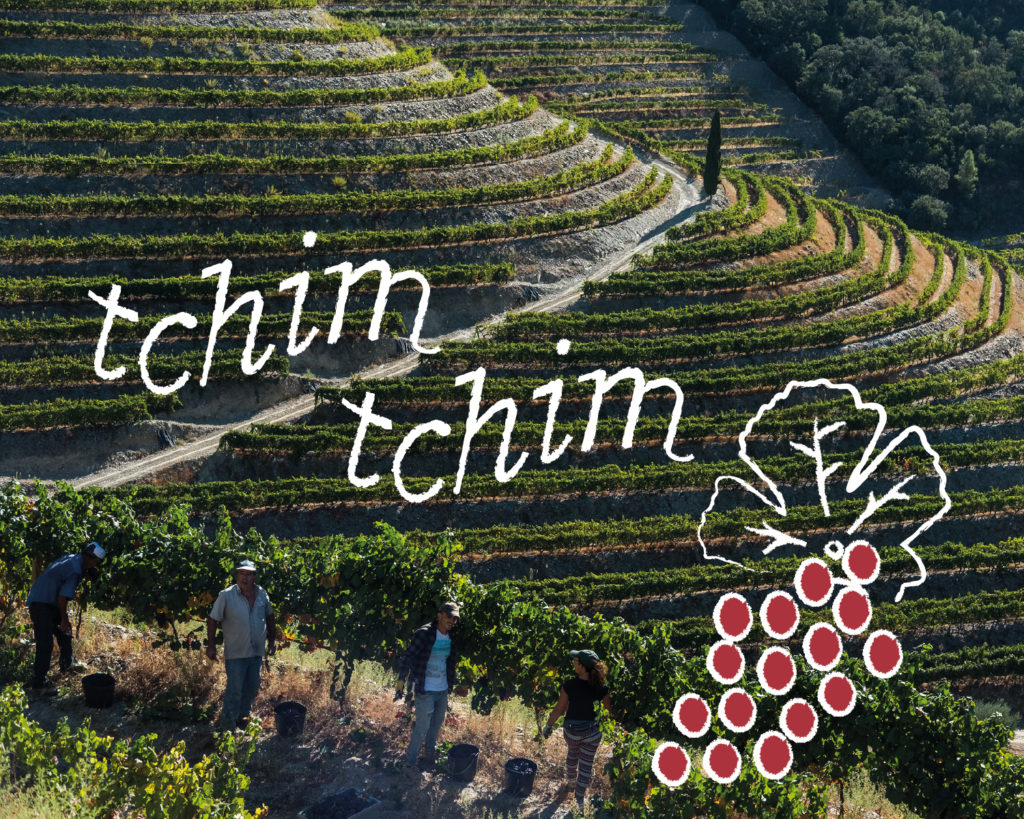
Leave With More Than Wine
You may arrive thinking that harvest is about wine.
Of course, it is. But after a day among the vines, that may not be what stays with you.
Perhaps it will be the sound of the shears in the morning. The weight of the basket. The scent of grapes and must. The grandfather laughing at the table. The taste of something homemade. A handful of new words.
Or simply the feeling of having shared, for a few hours, something that has been part of other people’s lives for generations.
That is what wine tourism can offer at its best: not just a view of a place, but a way into it.
The tradition is not ours. The privilege is being welcomed into it.
Photo and illustration credits: Visit Porto
Learn more about Porto – Great Wine Capital