
Porto and the Douro Valley are increasingly recognized not only for their wines and landscapes, but also for the way sustainability is being translated into projects and concrete action. From city-wide strategies to winery-level practices, sustainability in this Great Wine Capital is no longer an abstract ambition — it is a shared commitment shaping tourism, viticulture and hospitality in meaningful ways. Across the region, award-winning wine tourism operators are proving that environmental responsibility, social commitment and economic resilience can go hand in hand — enhancing both the visitor experience and the long-term vitality of the territory.
Sustainability rooted in the landscape
Ventozelo Hotel & Quinta, winner of the Best Of Wine Tourism Award 2026, has embedded sustainability into its wine tourism project from the very first stage of its conception. The rehabilitation of the estate respected all pre-existing structures, using only traditional, local and recyclable materials, ensuring architectural continuity with the Douro landscape. Energy efficiency is achieved through solar thermal panels for water heating, photovoltaic systems that reduce CO₂ emissions by around nine tonnes per year, and exclusive use of low-consumption lighting. Water resources are carefully managed through flow-reducing systems, the use of natural water sources for irrigation, and on-site wastewater treatment.
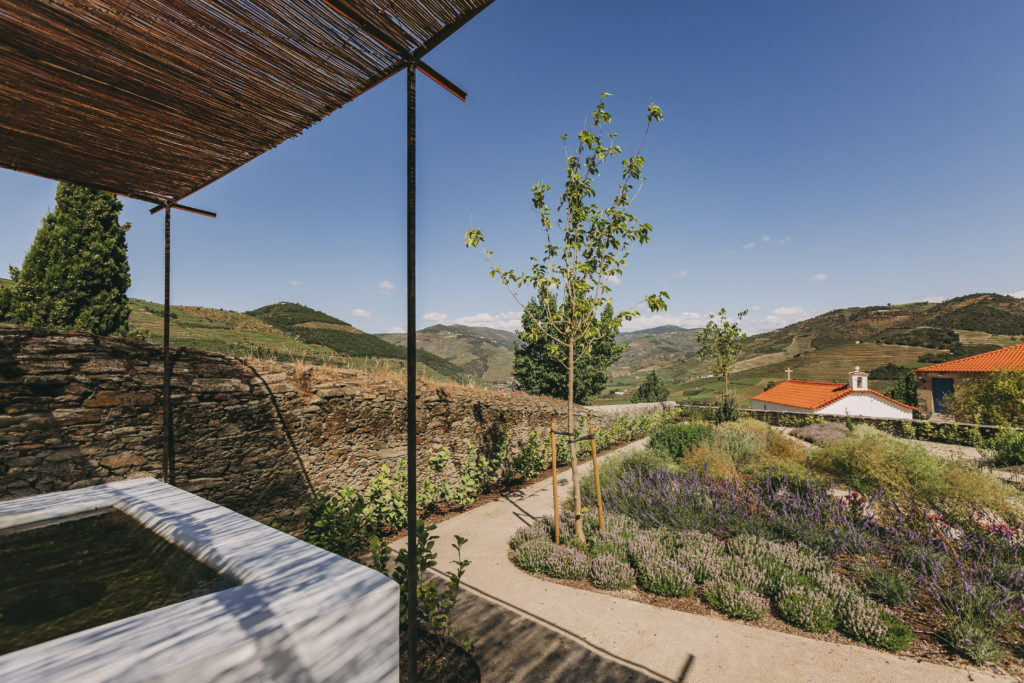
The estate has also invested heavily in biodiversity, restoring Mediterranean woodland, planting 16 hectares of cork oak capable of significant carbon sequestration, and conserving vernacular structures such as stone walls, dovecotes, apiaries and a water mill. Surrounding the buildings, a botanical “aromatic garden” of native species supports environmental education while supplying the kitchen and bar. These practices are reinforced by an agroecological management plan that prioritizes soil health, native vegetation cover and reduced chemical inputs, positioning Ventozelo as a benchmark for truly integrated sustainable wine tourism in the Douro Valley.
Innovation with environmental awareness
At Quinta do Seixo, awarded with a special mention at BOWT 2026, sustainability is deeply rooted in Sogrape’s long-term commitment to biodiversity and responsible viticulture in the Douro Valley. Following extensive biodiversity studies carried out across its estates in 2021 and 2022, the property transformed scientific knowledge into an engaging wine tourism experience through the Biodiversity Trail, a self-guided walk of approximately one kilometre through the vineyards. Along the route, visitors encounter informative panels that explain the relationship between winegrowing and nature conservation, highlighting practices such as natural pest control, the preservation and restoration of stone walls and hedgerows, and the use of native plant species to support local ecosystems.
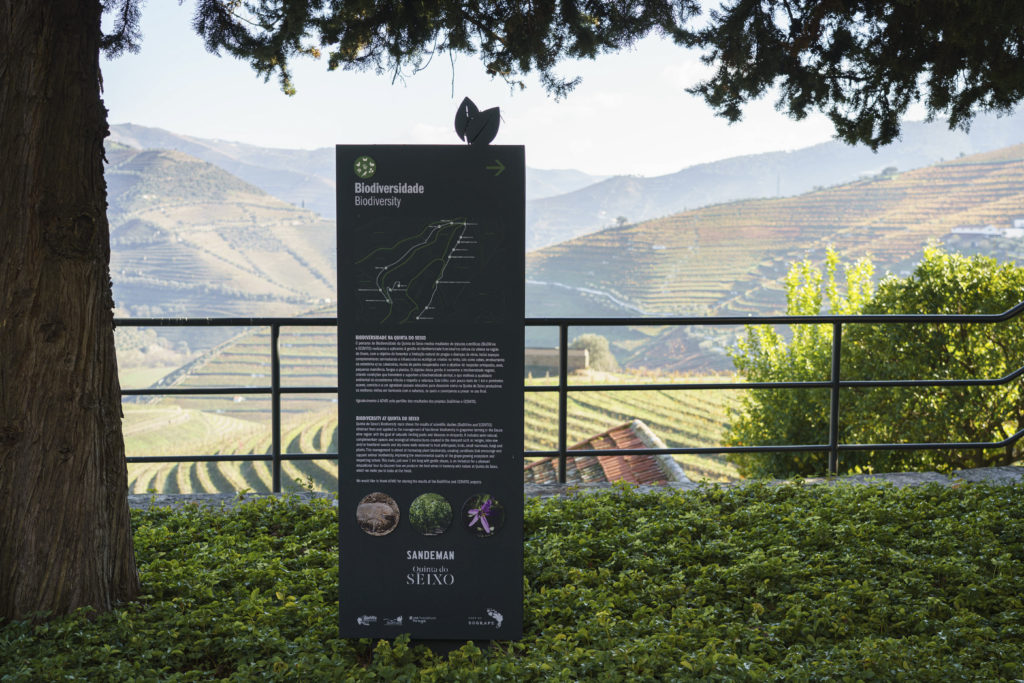
More than a scenic walk, the trail offers an educational and sensory immersion that demonstrates how environmental preservation directly contributes to wine quality. The experience concludes with a Port wine tasting overlooking the Douro River and the village of Pinhão, inviting reflection on the harmony between landscape, biodiversity and viticulture. By placing environmental education at the heart of its visitor experience, Quinta do Seixo stands as a strong example of how wine tourism can actively promote sustainability while inspiring more responsible travel choices.
Community, culture and slow tourism
At Quinta da Vineadouro, sustainability is lived as a daily practice that shapes both wine production and the visitor experience in the heart of the Douro Valley. The estate places strong emphasis on biodiversity and sense of place, preserving natural habitats, protecting local fauna through a strict no-hunting policy, and maintaining organic kitchen gardens that supply the property. Water management is carefully controlled through rainwater harvesting and on-site wells, eliminating the need for public water supply and reducing consumption through flow regulators. Energy efficiency is ensured through a combination of LED lighting, high-efficiency appliances, geothermal climate systems, solar thermal energy and photovoltaic panels for self-consumption, complemented by the use of electric vehicles and on-site charging points.
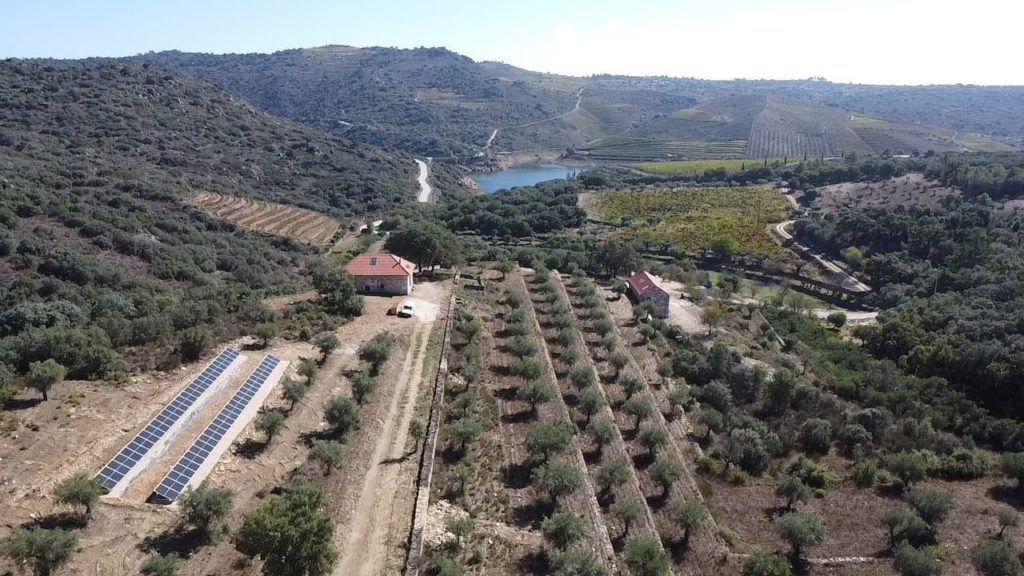
Circularity is reinforced via an in-house composting centre that transforms organic waste into natural fertiliser, alongside comprehensive recycling practices. Digitalisation further supports sustainability through a fully paper-free operation, from reservations to invoicing. All accommodation and tourism facilities were created by restoring existing ruins using sustainable construction solutions, allowing Quinta da Vineadouro to offer authentic wine tourism experiences that respect the landscape, minimise environmental impact and celebrate the Douro’s living heritage.
Global sustainability with local impact
At Six Senses Douro Valley, sustainability is not a standalone initiative but a guiding philosophy embedded in every aspect of the guest experience and the estate’s relationship with its surroundings. Set among the terraced vineyards of the Douro Valley, the property adopts a holistic approach that carefully balances environmental stewardship, social responsibility and long-term economic viability. From energy efficiency and responsible water management to waste reduction, plastic-free initiatives and local sourcing, every operational decision is assessed for its impact on both people and planet.
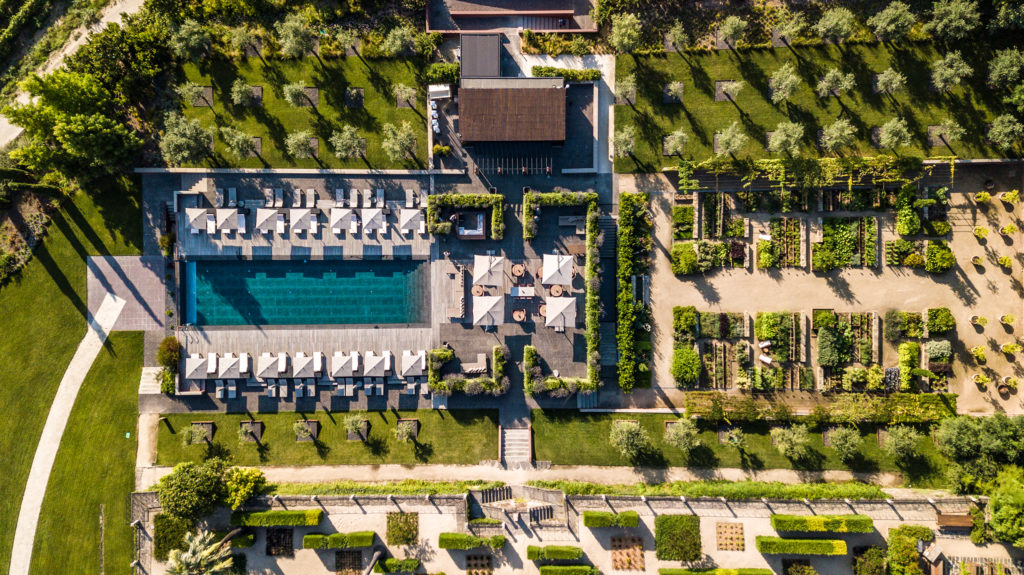
Equally important is the property’s strong commitment to social sustainability, reflected in workforce wellbeing, community engagement and partnerships with local producers and social organizations, including collaboration with institutions such as Bagos d’Ouro, which support education and opportunities for young people in the Douro region. This integrated vision has earned international recognition, making Six Senses Douro Valley the first hotel in the Iberian Peninsula to be certified by the Global Sustainable Tourism Council (GSTC). For visitors, sustainability is experienced not only behind the scenes but through immersive wine tourism, wellness and cultural experiences that connect guests with the Douro’s landscapes, traditions and communities in a meaningful and responsible way.
An example within the Great Wine Capitals network
Porto stands as an example of how wine tourism can evolve responsibly, with the alignment between public leadership and private initiative — maintaining excellence, authenticity and competitiveness while responding to climate, social and economic challenges.
This Great Wine Capital demonstrates that sustainability is not a limitation, but a powerful driver of quality, resilience and long-term value — for wine, for tourism and for the people who give these territories their soul.
Photo credits: Ventozelo Hotel & Quinta | Quinta do Seixo | Quinta da Vineadouro | Six Senses Douro Valley (in order)
Learn more about Porto – Great Wine Capital