
Numerous studies show that an increasing number of wine tourists prioritize sustainable practices when making a choice of wineries to visit.
The Great Wine Capitals recognized the importance of sustainability when the network included “Sustainable Wine Tourism Practices” among the categories eligible for a Best Of Wine Tourism award. This commitment was reinforced when Great Wine Capitals became a founding member of the Sustainable Wine Roundtable.
In our region, the Rioja Regulatory Board has undertaken several initiatives to promote sustainability among Rioja wineries. In its 2021-2025 Strategic Plan, one of the strategic pillars sets the goal of international leadership in protecting our soils, preserving the landscape, reducing the use of agrochemical products and improving water management and biodiversity.
- The strategy is based on educating grape growers and wineries to adopt a more sustainable model for their properties.
- Action: Protection of the soils, reducing the use of pesticides and fertilizers and reducing their carbon footprint.
- Leadership: Norms to preserve the patrimony of our regional landscape and vineyards.
- Impact: The plan aims to balance our grapegrowing and winemaking traditions and the most important ecological techniques to guarantee the future of our appellation of origin.
With these goals firmly established in the strategic planning of our wineries, it is not surprising that winners in the “Sustainable Wine Tourism Practices” category not only “talk the sustainability talk”, but “walk the walk” too.”
The three most recent Sustainable Wine Tourism Practices winners from Bilbao-Rioja prioritize sustainability in their vineyards, in the winery and in wine tourism experiences.
For Bodegas Izadi, the 2024 winner, sustainability is the cornerstone of company philosophy. After all, ‘izadi’ is ‘nature’ in Basque. The company is certified in organic viticulture. It is a member of Sustainable Wineries for Climate Protection (SWfCP), an initiative created by the Spanish Wine Federation.

Image credit: Sustainable Wineries for Climate Protection (SWfCP)
Vineyards, planted at high altutude, are prepared for changes brought about by climate change. The principles of regerative viticulture are applied. The winery’s packaging is sustainable, with low environmental impact and recyclable. Processes are focused on reducing the winery’s carbon footprint.
The winery itself is built on the side of a hill with a 50 meter difference in level to facilitate the use of gravity to move grapes and wine through the winemaking process, saving energy by not using pumps.
Among its wine tourism activities is the sustainable idea of using E-bikes when tourists take trips a trip through the winery’s vineyards.
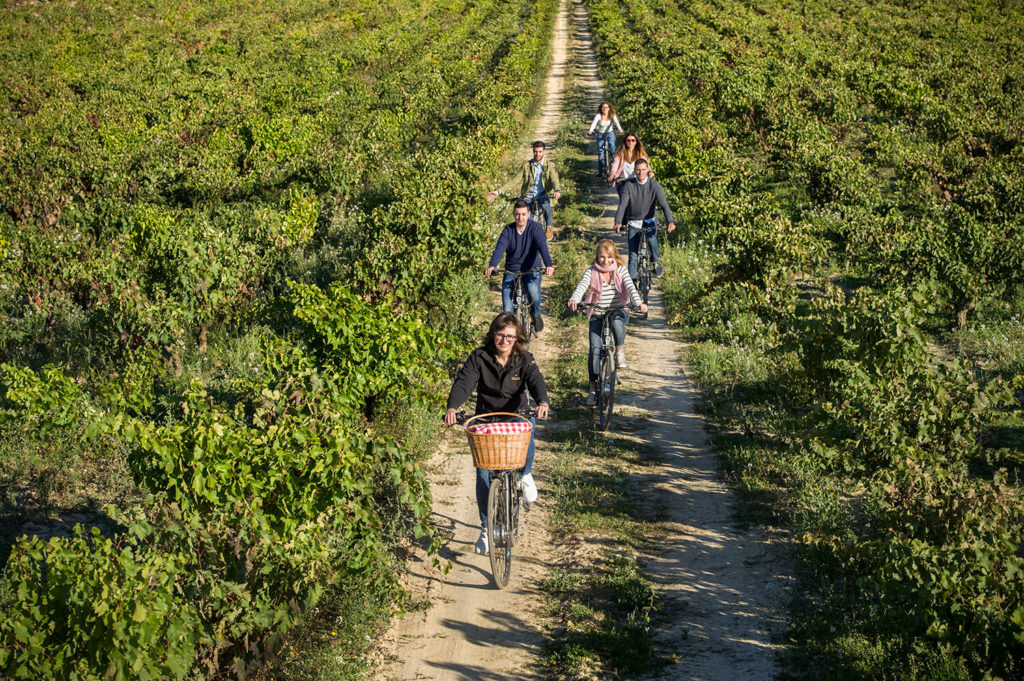
Photo credit: Bodegas Izadi, El Regalo ebike route in Rioja
Finca La Emperatriz, the 2025 winner, focuses on sustainable energy production. Solar panels produce most of the power needed to run the winery and the villas for tourists on the property.
Finca La Emperatriz has received the ISO 14001:2015 certification for environmental management. It uses principles of regenerative viticulture in its vineyard practices, including pheromone traps for pest control, cover crops betweeen the wines aid in water retention, and broken-up pieces of vine shoots as fertilizer. When it is necessary to treat the vines in case of mildew and oidium, only ecologically-approved products are applied.
The winery’s premium wine tourism experience takes visitors to a century-old vineyard located in an incomparable, high altitude landscape where native plants share the soil with vines. The Guardacumbres vineyard, from which the winery’s most exclusive wine is produced, is the perfect example of the importance of the preservation of Rioja’s historic viticultural patrimony.
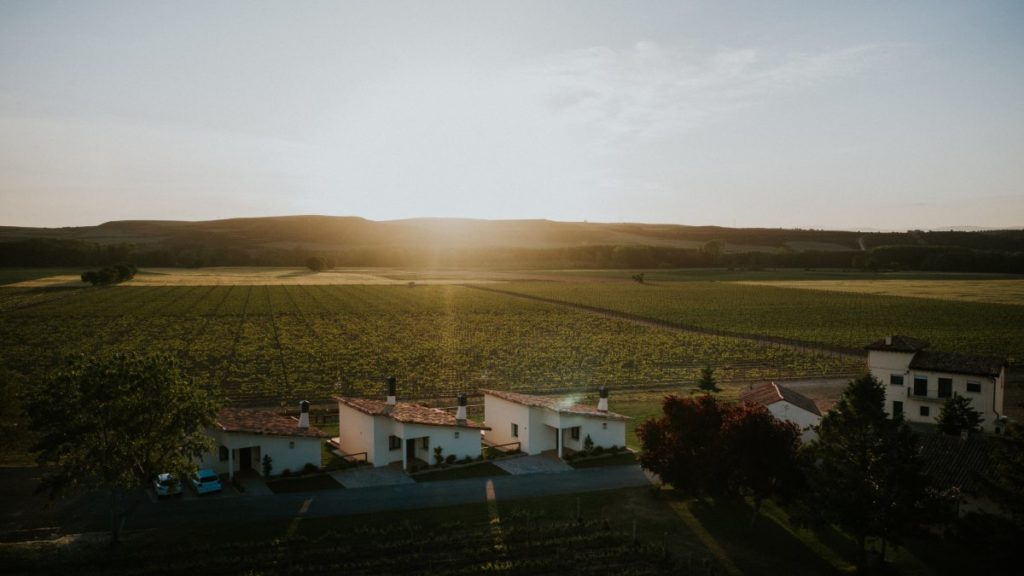
Photo credit: Finca La Emperatriz.
Palacios Vinos de Finca puts the land and the vineyards planted in it as the central axis from which singular wines are produced. Maintaining and protecting the soil and the vines are at the forefront of the daily responsibilities of the members of the winery community.
Palacio Vinos de Finca has two wineries in Rioja: Nivarius, exclusively for white wines, and Proelio for reds. This is a unique concept in our region.
Two of Nivarius’s stellar wine tourism experiences are visits to vineyards located in the upper Iregua river valley and the upper Najerilla valley. Here, visitors learn about the winery’s project to rescue and propagate the maturana blanca grape variety, on the verge of extinction, and from them to make singular wines. At the high-altitude (680-750 m.) Finca La Nevera, visitors can see an ancient stone-lined covered pit where cold weather year-round allowed food to be kept without spoiling.
Nivarius, the name of the white wine winery, is latin for ‘nevera’.
Proelio uses exclusively grapes from old vines located throughout Rioja Alta. It is especially interesting to note that one of the wines, Finca La Esperilla is produced from a vineyard where the four original Rioja red grapes were planted: tempranillo, garnacha, mazuelo and graciano. This “field blend” used to be a tradition in Rioja, but is rarely practiced today. Proelio has helped to keep this tradition alive.
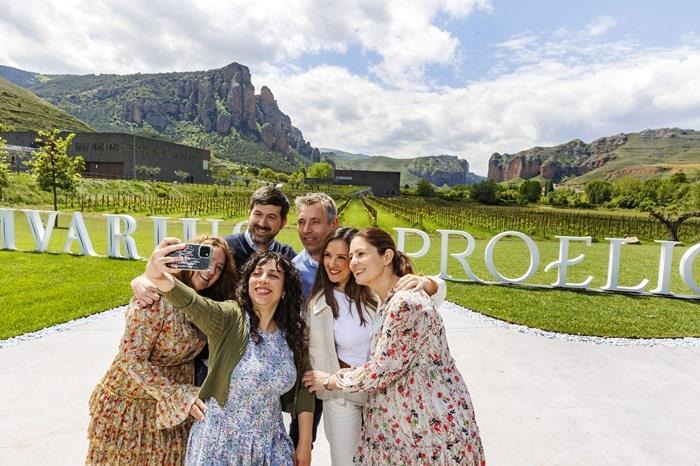
Photo credit: Palacios Vinos de Finca.
___________
Text by Tom Perry, Inside Rioja
Featured photo: Palacios Vinos de Finca
Learn more about Bilbao-Rioja Great Wine Capitals