
Learning for the Future: How Rheinhessen’s Winemakers Rethink Sustainability and Wine Tourism
Rheinhessen is Germany’s largest wine region and one of its most dynamic. Climate change and new guest expectations are reshaping everyday winery life. Education has become a key to future success. It connects agriculture, hospitality, and storytelling. Two wineries illustrate this transformation beautifully. Weingut Manz in Weinolsheim and Paulinenhof in Selzen. Both received prestigious Great Wine Capitals – Best of Wine Tourism Awards.
Sustainable agriculture as a living experience
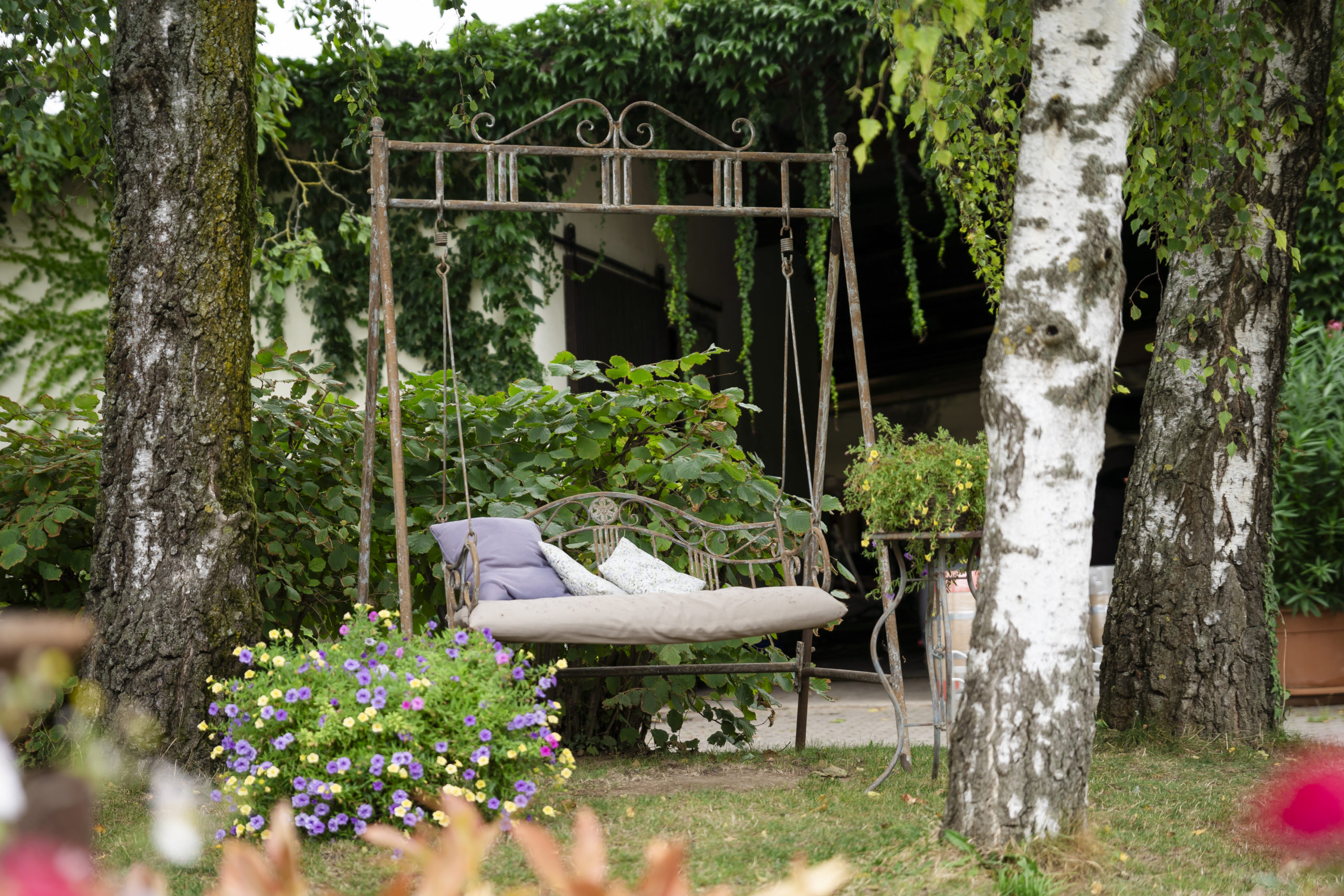
Sustainability today goes far beyond technical measures. Training focuses on soil health, biodiversity, and climate resilience. Winemakers learn to see vineyards as living ecosystems. They also learn to communicate this philosophy to visitors. Paulinenhof in Selzen embodies this approach convincingly. The winery was awarded for sustainability in wine tourism. Ecological responsibility is visible throughout the estate. Natural gardens, flowering plants, and open green spaces invite exploration. Guests experience sustainability rather than hearing about it. Nature becomes part of the wine story. Such concepts result from continuous learning and exchange. Education helps translate values into tangible experiences.
Wine tourism: from tasting to storytelling
Modern wine tourism requires more than excellent wines. Training now includes storytelling, guest guidance, and spatial design. Winemakers become hosts, narrators, and ambassadors of their landscapes.
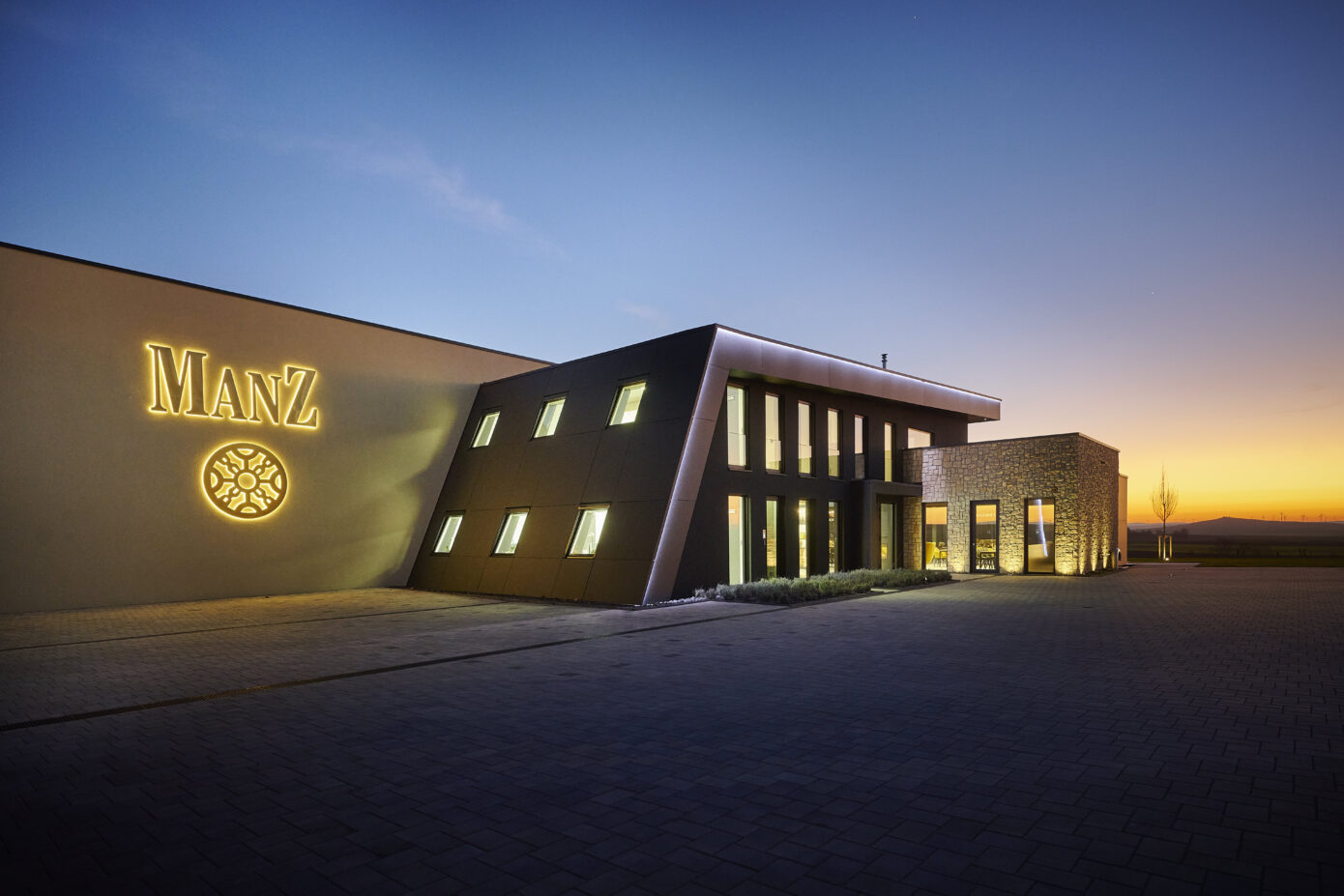
Weingut Manz in Weinolsheim demonstrates this impressively. The winery received an award for architecture and visitor experience. Its striking vinotheque immediately captures attention. Architecture becomes a gateway into the world of wine. Visitors sense quality before the first sip. Design guides movement, mood, and perception. Such experiences result from targeted education and clear vision. Wine is presented as culture, place, and emotion.
Education connecting winery and region
Both wineries share one conviction. Learning is a continuous journey. Workshops, seminars, and exchanges spark new ideas. Each estate adapts them to its own identity.
The entire region benefits from this mindset. Sustainable practices and professional tourism strengthen Rheinhessen’s profile. Knowledge becomes part of the regional brand. Guests increasingly seek authenticity and meaning. Education helps translate expertise into memorable encounters. Wine tourism becomes a dialogue between people and place.
Looking ahead: learning as part of the wine journey
The future of Rheinhessen is shaped by openness and curiosity. Education is no longer optional. It is the foundation of resilience and creativity. Sustainable agriculture and wine tourism grow closer together. Both are driven by knowledge and passion. Visitors enjoy landscapes shaped with care and conviction.
Rheinhessen presents itself as a learning region. Here, wine tells stories of responsibility, innovation, and hospitality. And every visit becomes part of that story.
Further information:
Learn more about Mainz | Rheinhessen Great Wine Capital
(kh)