
Wine Tourism Creates Value
Wine tourism is evolving rapidly—and so are visitors’ expectations. Traditional cellar tours alone are no longer enough. Today’s travellers seek authentic experiences that combine wine, gastronomy, culture and landscape. For wine regions, this shift represents a significant economic opportunity: memorable visitor experiences encourage longer stays, strengthen the hospitality sector and create new sales opportunities for local producers.
Switzerland is no exception. A representative survey conducted by Switzerland Tourism in 2024 found that 44% of visitors are interested in enjoying a wine experience during their holiday, regardless of age, nationality or gender.
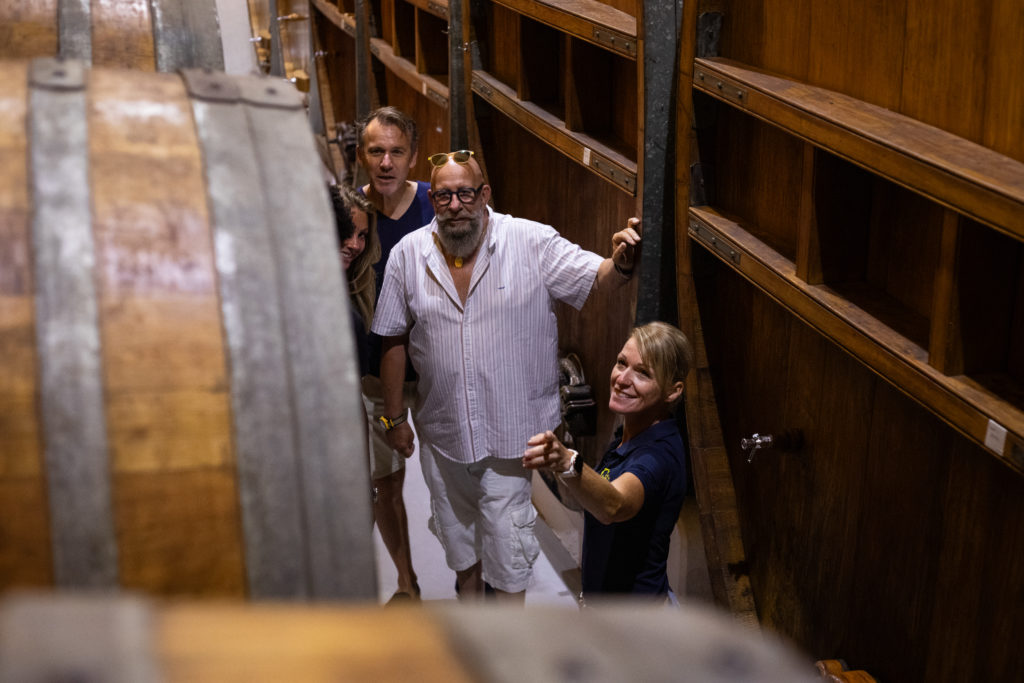
Best Of Wine Tourism – Château d’Auvernier © Nicolas Mancosu
What Wine Tourists Are Really Looking For
The survey reveals that visitors expect much more than a wine tasting. Their ideal wine tourism experience combines a visit to a winery with regional gastronomy (23%), authentic encounters with winemakers and breathtaking scenery (19%).
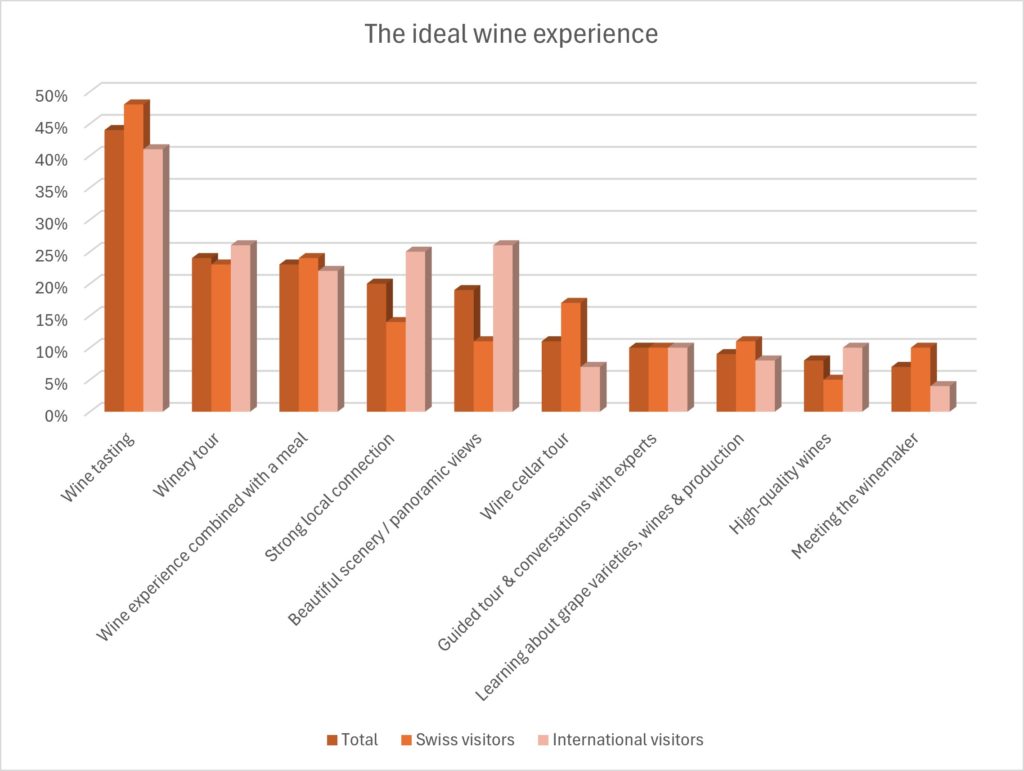
Swiss Wine Experience: TMS panel survey by Switzerland Tourism, Christian Huser (20 November 2024)
Travellers are particularly attracted by behind-the-scenes insights into wine production and opportunities to experience the destination with all their senses. Swiss visitors show an even stronger interest in hands-on activities, such as participating in the harvest (7%) or exploring the winery’s cellar (17%).
The main barriers remain a lack of interest in wine, the perception that wine experiences are too expensive, not family-friendly or simply not suited to a holiday. This also represents an opportunity: by offering more accessible, diverse and inclusive experiences, wine destinations can reach entirely new audiences.
Global Trends Are Shaping the Future
The Swiss findings closely mirror the latest trends identified by Great Wine Capitals. Around the world, travellers are increasingly looking for immersive and authentic experiences (Experiential Travel), environmentally responsible destinations (Green Tourism), digital services such as personalised booking tools and interactive guides (Smart Experiences), and experiences that combine wine with culture, gastronomy and education (Learning Journeys).
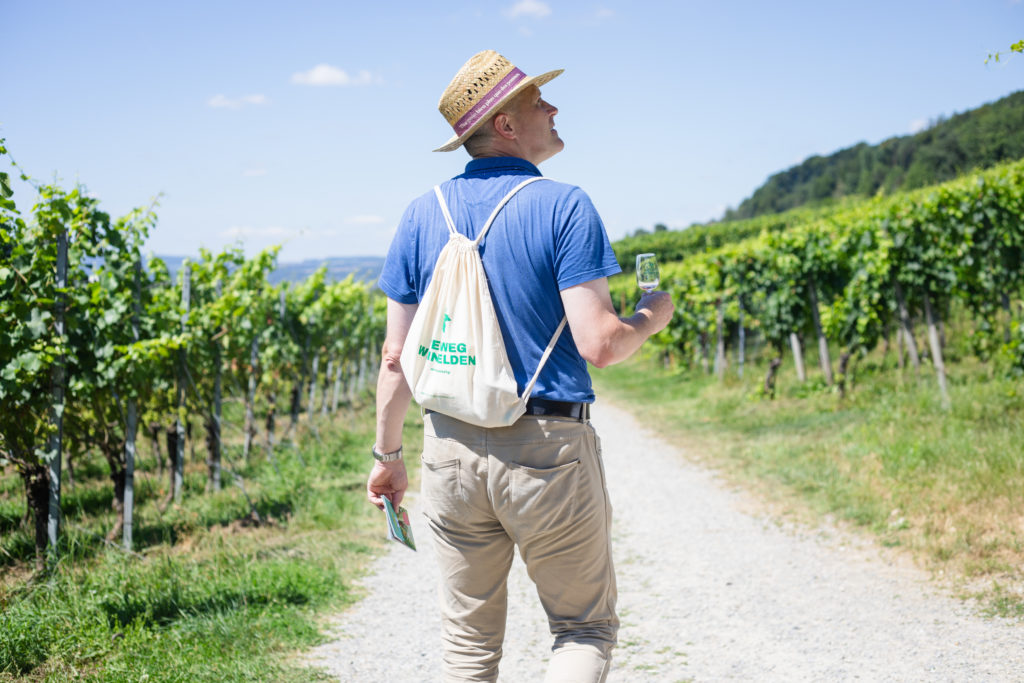
Best Of Wine Tourism – Weinweg Weinfelden © Nicolas Mancosu
Lausanne provides an excellent example of how these trends can be translated into practice. Its most popular wine tourism experiences include authentic tastings with winemakers at the winery, cultural wine experiences and vineyard walks with picnic facilities. These activities create meaningful connections between visitors and the region while generating added value for local businesses.
An Investment in the Future
Wine tourism has become far more than a marketing tool. It strengthens local economies, creates new business opportunities for wineries, restaurants and hotels, and enhances the overall attractiveness of wine regions. Destinations that invest in quality, authenticity and innovative visitor experiences are not only building a stronger tourism offer—they are also securing the long-term competitiveness of their wine region.
Author: Carmen Stalder, Swiss Wine Promotion
Photo Credits: © Nicolas Mancosu/Rover Agency, Best Of Wine Tourism 2025