
What skills will tomorrow’s wine professionals need? At Changins, the swiss university for Viticulture and Enology, the answer increasingly goes beyond viticulture and oenology. Its International Summer University takes students out of the classroom and into leading European wine regions, where they discover how wine tourism, customer experience and new business models can strengthen the future of the wine industry.
For the next generation of wine professionals, making an excellent wine may no longer be enough. Understanding the customer, creating memorable experiences and developing new sources of revenue are becoming just as important. This shift was at the heart of the 2026 International Summer University organised by Changins.
Around 35 students and four professors took part in the programme, which brought together future wine professionals from Changins and partner universities in South Africa, the United States and Brazil. They explored wine tourism across Switzerland, Bordeaux, Rioja and Porto, combining academic input with visits to wineries, research institutes and tourism organisations.
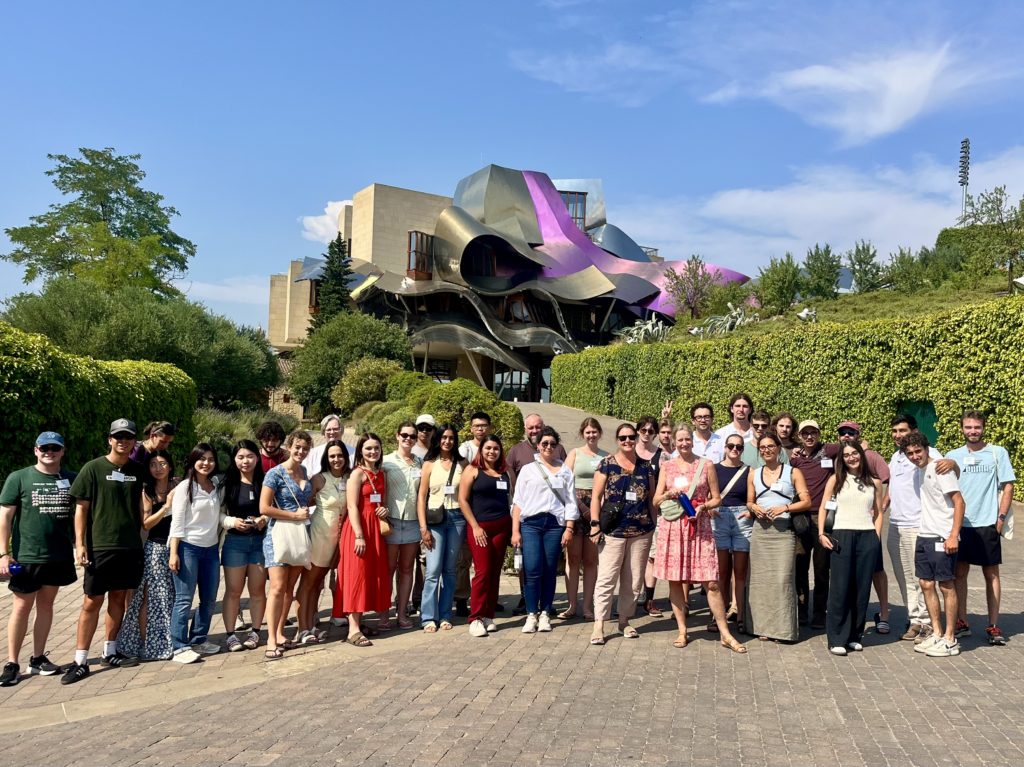
Summer University Changins
For Melanie Weikert, Head of International Relations at Changins, the aim was to broaden the perspective of students who are primarily trained as engineers in viticulture and oenology. “They often start from the product: if we produce an excellent wine, we will somehow find a customer for it. But in today’s market, that is no longer enough.”
Turning wine tourism into a business
Wine tourism therefore became a central theme of this year’s Summer University. Rather than treating cellar visits and tastings as an additional task for producers, students were encouraged to see tourism as a professional business unit – and as a way for wineries to diversify their activities and become more resilient.
This marked a shift from previous editions. Technical visits, vineyard management, oenology and soil analysis remain essential elements of the education at Changins. In 2026, however, students were also challenged to think about the person on the other side of the bottle.
“How do I interact with my customers? What kind of experience can I offer them around wine?” Weikert says. “I wanted the students to open up to these questions in an attractive and practical way.”
After an immersion in the Lausanne region, the group travelled to Bordeaux, Rioja and Porto, combining lectures and collaborative learning with visits to wineries, professional laboratories and research institutions.
Learning where wine tourism happens
For Weikert, experiencing successful concepts first-hand makes a decisive difference. “It is much more credible for the students. They can ask questions directly, see how things are implemented and generate ideas they might never have developed in the classroom. It is much more hands-on.”
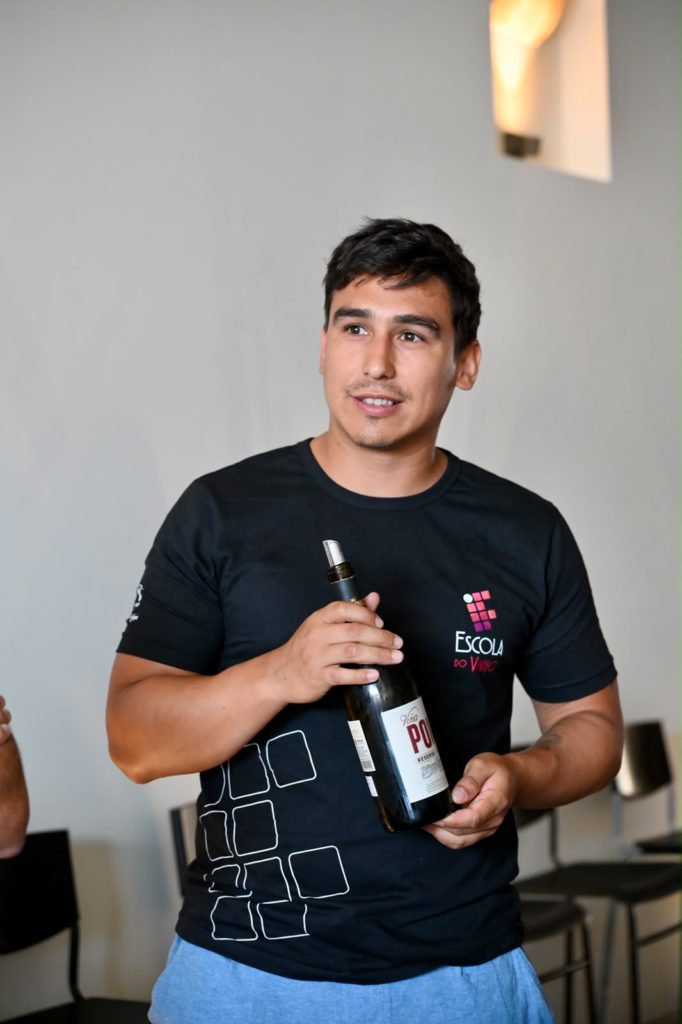
The examples also demonstrated that there is no single model for successful wine tourism. In Switzerland, students encountered smaller wineries developing tourism as an additional business activity, larger estates employing professionals with backgrounds in hospitality and event management, and collaborative approaches where several producers work together to create attractive regional experiences.
One lesson became particularly clear during the international journey: knowing the customer is increasingly important. In Bordeaux, Weikert observed how wineries that historically had little direct contact with consumers are now building customer databases and strengthening direct relationships.
For future wine professionals, this means that production skills increasingly need to be complemented by an understanding of hospitality, customer experience, marketing and business development.
Building careers across borders
International exchange is another important part of the Summer University. The programme brings together students and universities from different wine-producing countries, allowing participants to build professional contacts early in their careers.
Wine tourism adds another dimension to these career paths. Graduates may still become winemakers or viticulturists, but their professional horizon is widening to include tourism, hospitality, events, marketing and customer experience.
For Weikert, that broader perspective is one of the programme’s most important outcomes. The future of wine will still begin in the vineyard and cellar. But increasingly, its success will also depend on what happens around the bottle – and on a new generation equipped to turn wine into an experience, a relationship and a sustainable business.
Author: Carmen Stalder, Swiss Wine Promotion
Photo Credits: © Melanie Weikert, Changins