
It was the Chamber of Commerce and Industry of Bordeaux that created the Great Wine Capitals in 1999. An initiative that has spread across the region, engaging all levels of private and public institutions, from local government to leading vineyards and interprofessional organisations. This initiative remains as dynamic as ever, driving collaboration, innovation and research in the world of wine tourism.
A platform for change
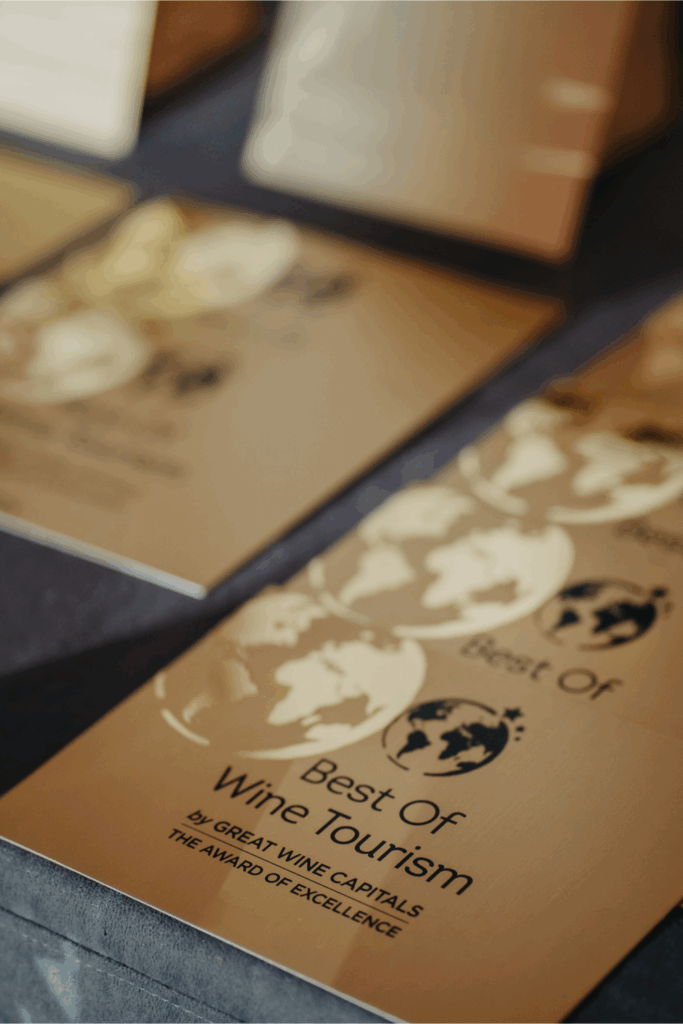
The Best Of Wine Tourism competition has acted as a catalyst for change and an accelerant for collaboration in a region too long considered closed to wine tourism. The actions of the CCI and it’s historical partners (Bordeaux Tourism Board, Regional Tourism Board, CIVB, CRTNA, Chamber of Agriculture) working together, have turned this image on its head, acting not only as a showcase for dynamic actors in the sector but also as a platform to inspire others to follow in their footsteps through a network and resources, sharing skills built on experience, raising the bar in quality and originality and bringing new actors into the fold.
Bordeaux, better together
The Bordeaux wine industry has a history of collaboration. The 65 wine appellations are grouped into over 20 ODGs (Organismes de Défense et de Gestion), where winemakers join together to promote their wines, control and define quality and style, and look to the future, including promoting wine tourism in their member vineyards.
Margaux, naturally united
The winemakers of Margaux have a history of working closely together. They were one of the first appellations to ensure there were properties open to welcome visitors seven days a week.
With over 84% of the appellation certified in sustainable viticulture, individual producers are motivated and passionate about their environment, but the Margaux wine syndicate realised that it also had a role to play, bringing members together allowed them to make a significant impact.
In 2013 they created Margaux, Terroir de Biodiversité, certified as a GIEE (Groupement d’Intérêt Économique et Environnemental) by the Ministry of Agriculture and supported by the government as a collective economic, environmental and social endeavour.
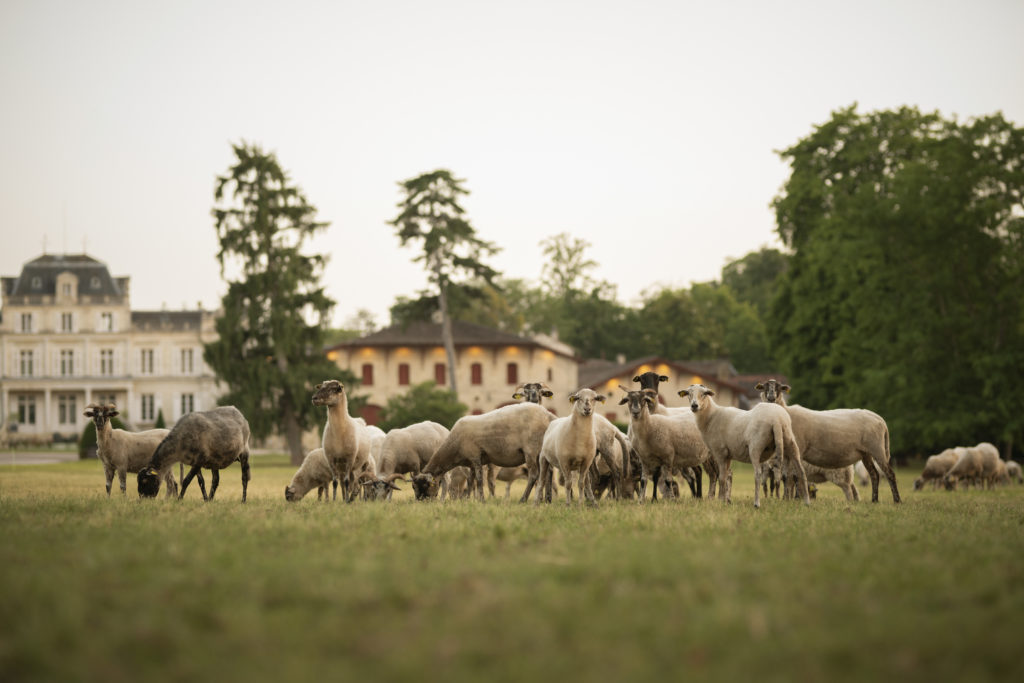
Reaching beyond the appellation, bringing in the scientific and natural communities, they partnered with Vitinnov, to undertake an audit of the natural environment of the appellation. Linked to Bordeaux University and the ISSV (Institute of Vine and Wine Science), Vitinnov is specialised in transferring academic research into the real world.
In 2015, the LPO (France’s League for the Protection of Birds) joined the project to carry out a wildlife inventory. They have since built partnerships with the Parc Naturel Régional Médoc, the Ministry of Agriculture, the CIVB (Conseil Interprofessionnel des Vins de Bordeaux – project PhytAE) and the Nouvelle-Aquitaine region, thanks to their VITIREV project, focused on the future of viticulture while respecting both the local community and the environment.
To date, 25 properties have undertaken more than 350 different initiatives, including educational days to explain their projects, all working together to protect the precious and fragile natural heritage of this iconic wine region.
In La Cité du Vin
These intricate and productive partnerships are not limited to the vineyards. Since 2016, La Cité du Vin has been a cultural centre on the banks of the Garonne River in the city. Created with tourism at its heart, the project was initiated by the City of Bordeaux with regional founding members – the Nouvelle-Aquitaine Region, Bordeaux Métropole, the Bordeaux Wine Council (CIVB) and the Bordeaux Chamber of Commerce and Industry.
The ‘Fondation pour la Culture et les Civilisations du Vin’ was created as a public interest organisation in 2014 to protect, promote and share the cultural, historic and symbolic aspects of wine. It has operated La Cité du Vin and ensured its development and promotion since it opened.
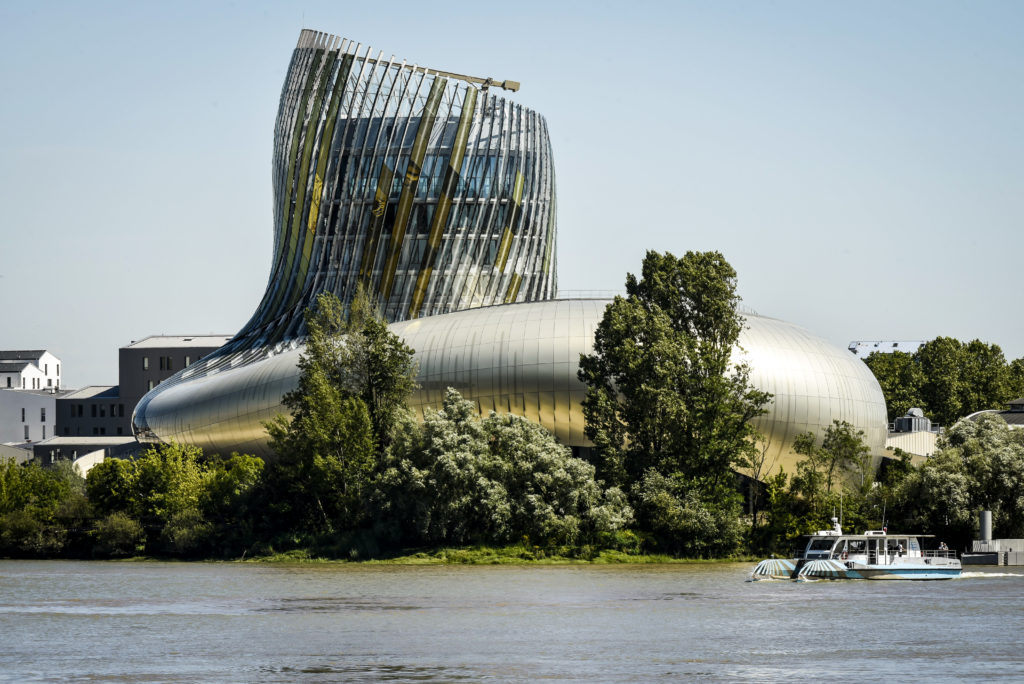
This major project, with a budget of over €81 million, could only have happened with significant partnerships across multiple organisations, both public and private. The original partnership model, unique in France, combined public-private funding with patronage. Eighty private sector corporate patrons (mainly from the local wine industry) funded almost 20% of the construction costs. The remaining 80% was financed by local authorities and institutions, including the City of Bordeaux (the majority investor), Europe, Bordeaux Métropole, the Aquitaine Region, the Bordeaux Wine Council (CIVB), the State, the CCIB and the Gironde département.
Not only financial partnerships
Today, the venue welcomes more than 400,000 visitors a year and continues to draw on the expertise of its partners. It is a member of national and international networks for cultural and scientific exchange and a committee of French and international experts drawn from the worlds of science and culture continues to advise. Researchers, academics and representatives from publishing and the media all work to ensure the innovative visitor experience builds on a constantly updated scientific base. It is not surprising that La Cité du Vin won a Special Acheivement Best Of Wine Tourism award as early as 2018.
The road to collaboration
Collaboration across sectors and with diverse actors can work in service of wine tourism across different appellations. La Route des Vins de Sauternes et Graves was launched in 2009 and continues as a dynamic example of wine tourism collaboration, with over 130 professionals working together.
Created by the three regional wine unions (ODGs) of Pessac-Léognan, Graves, and Sauternes and Barsac, it is a non-profit with the objective of serving and promoting the region. The ODGs continue to finance the organisation, with all members of the board volunteering their time and expertise freely. They work alongside three regional councils (communities of communes) and the tourist offices of Montesquieu, Convergence Garonne and Sud Gironde.
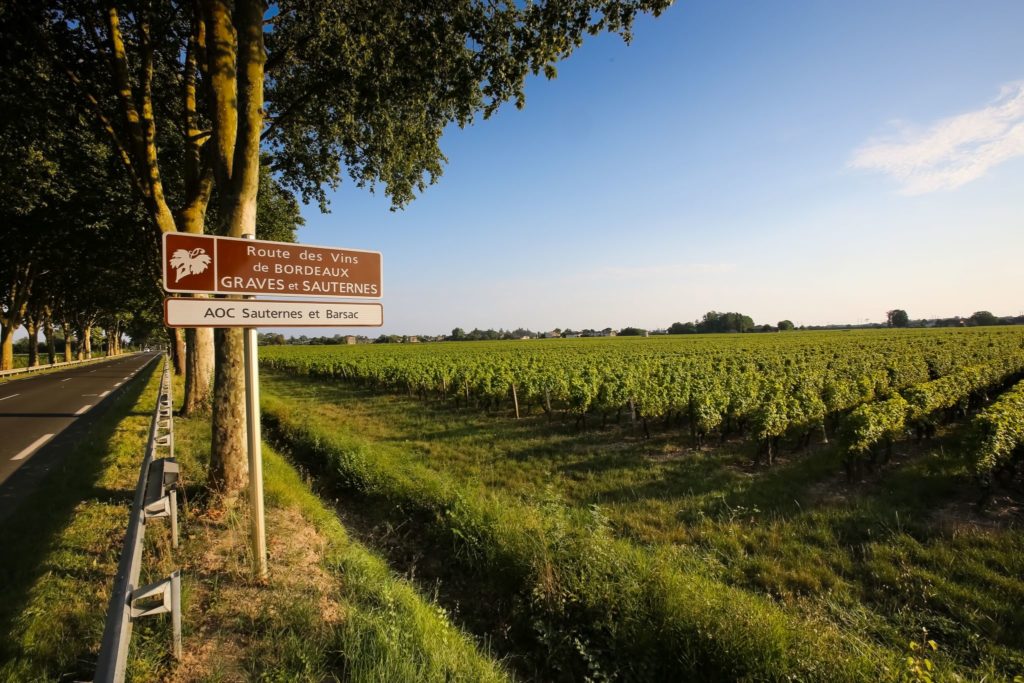
Private members include wineries, châteaux and hospitality professionals, including accommodation providers, catering establishments (now including three Michelin-starred restaurants), three national monuments, leisure activities and even wine merchants. They are all part of the ‘Vignobles et Découvertes’ certification and one of the tourist offices.
Firmly centred on wine but covering a diverse range of activities and experiences, they organise community events and help members create their own original experiences. They consistently innovate, updating the offer across the 7,000 hectares of vineyards.
It is a professional collaboration that works – a B2B model – a ‘one-stop shop’ for tourism professionals, offering a unique network and an original and efficient approach to wine tourism, making it easy to discover the full offer of the region.
Collaborative, Inclusive and expanding
With its long history and important cultural heritage, Bordeaux has been able to leverage its unique network of interprofessional, institutional and private organisations, sharing a pool of expertise and resources to create a wine tourism revolution across the region.
Author: Wendy Narby for Great Wine Capitals
Photos credits : ©MagneticBordeaux / ©ChâteauGiscours / ©LaCiteduVin_ANAKA / ©routedesvins_philippelabeguerie