
There are cities that invite you to walk through their streets and others that seduce you with their rural landscapes. Mendoza has the privilege of offering both experiences with a trip lasting no longer than a good conversation.
The morning can begin by walking under the beautiful tree alleys of downtown Mendoza; watching the water runs through the ditches (acequias). The trees form a green roof over the avenues, and the aroma of freshly brewed coffee accompanies the awakening of a city that lives at a friendly pace. Then leave the city by bus or car. Barely twenty minutes later the first rows of vineyards appear. The Andes Mountains dominate the horizon, and the air seems to change texture. Time slows down.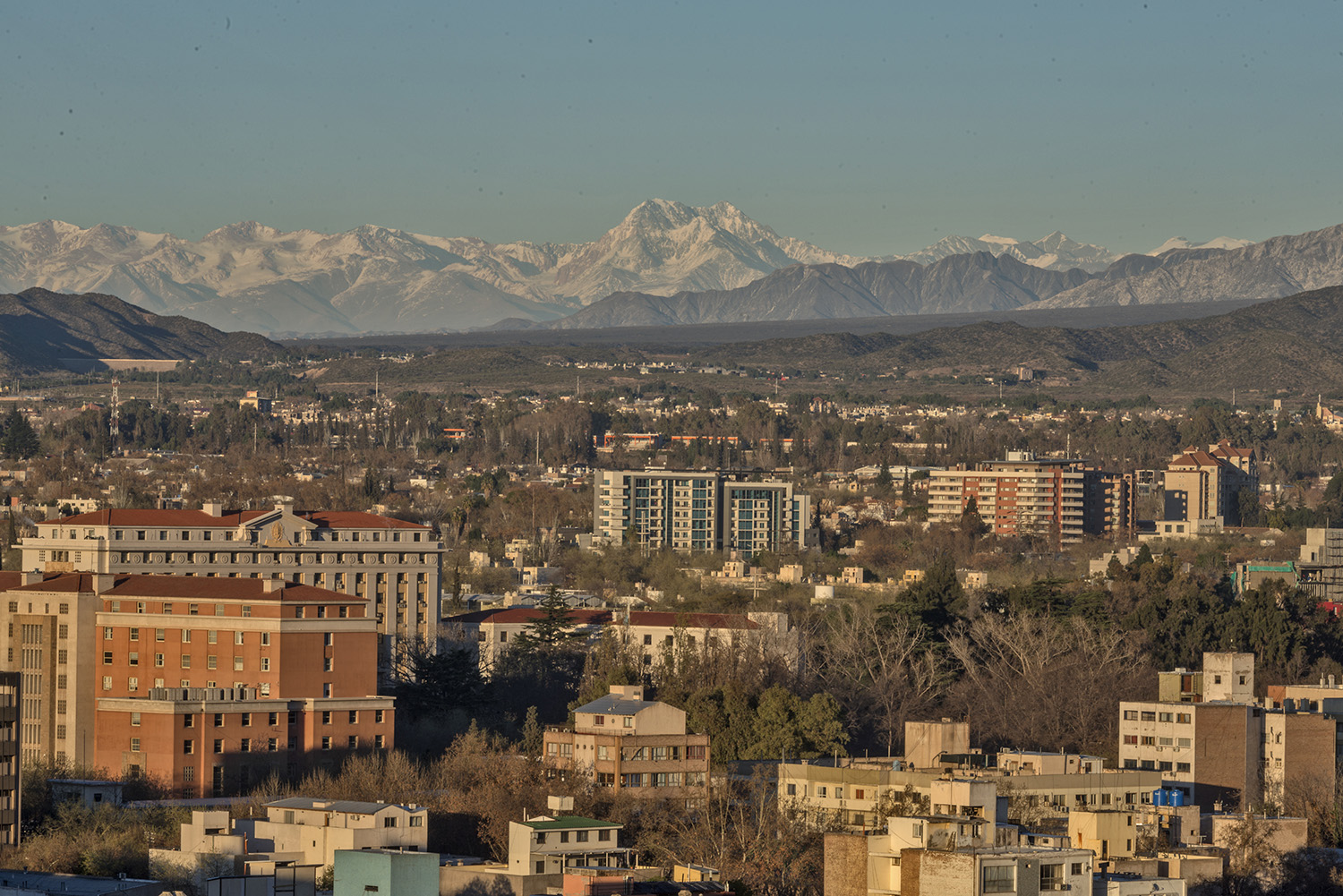
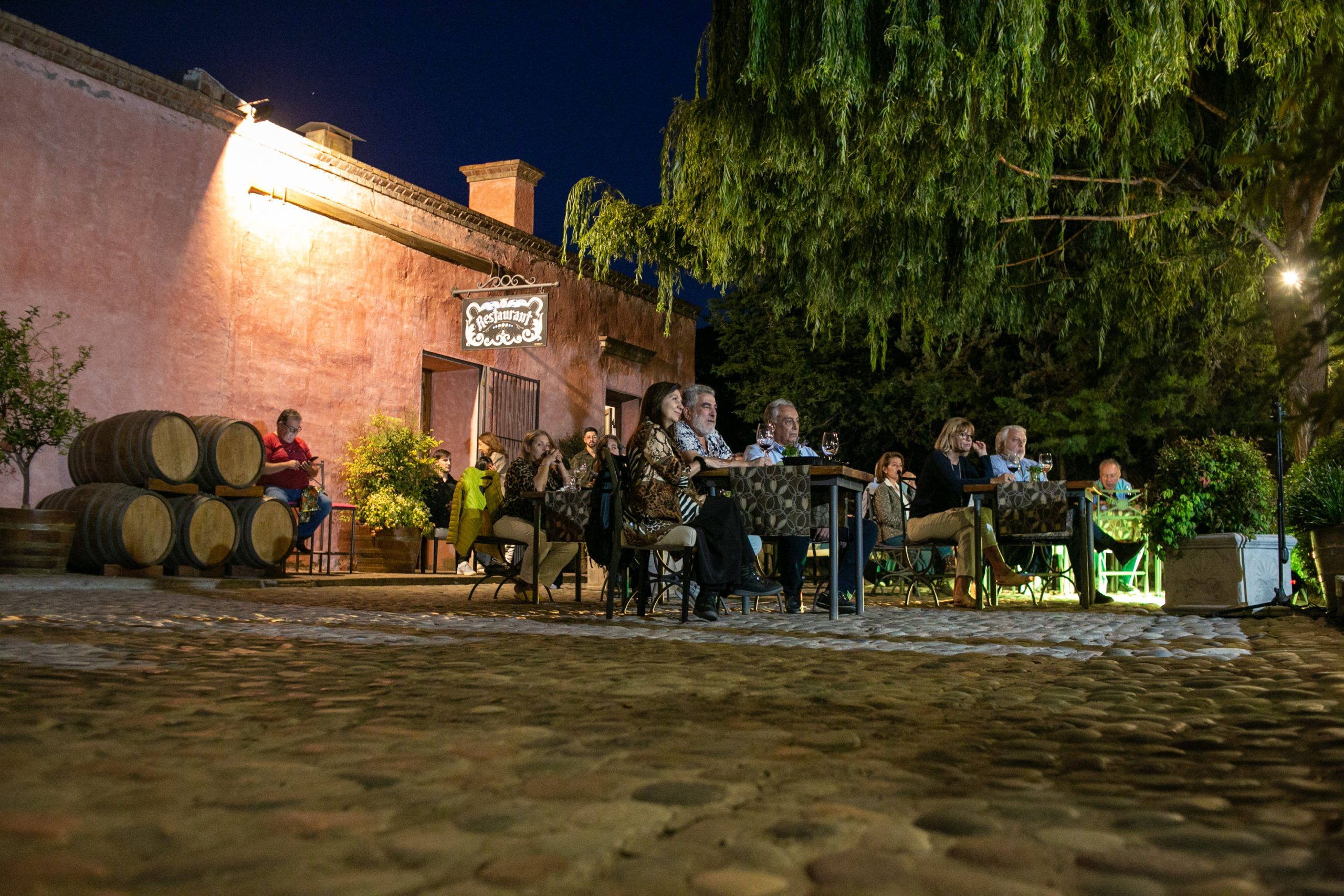
In Chacras de Coria, one of the most charming corners of Mendoza, the tree-lined streets preserve the spirit of an old wine-growing town. There are signature restaurants, small galleries, boutique hotels and historic wineries such as Clos de Chacras, where each glass sums up more than a century of tradition, or Bodega Pulmary, which welcomes visitors in an intimate setting, surrounded by vineyards and gardens.
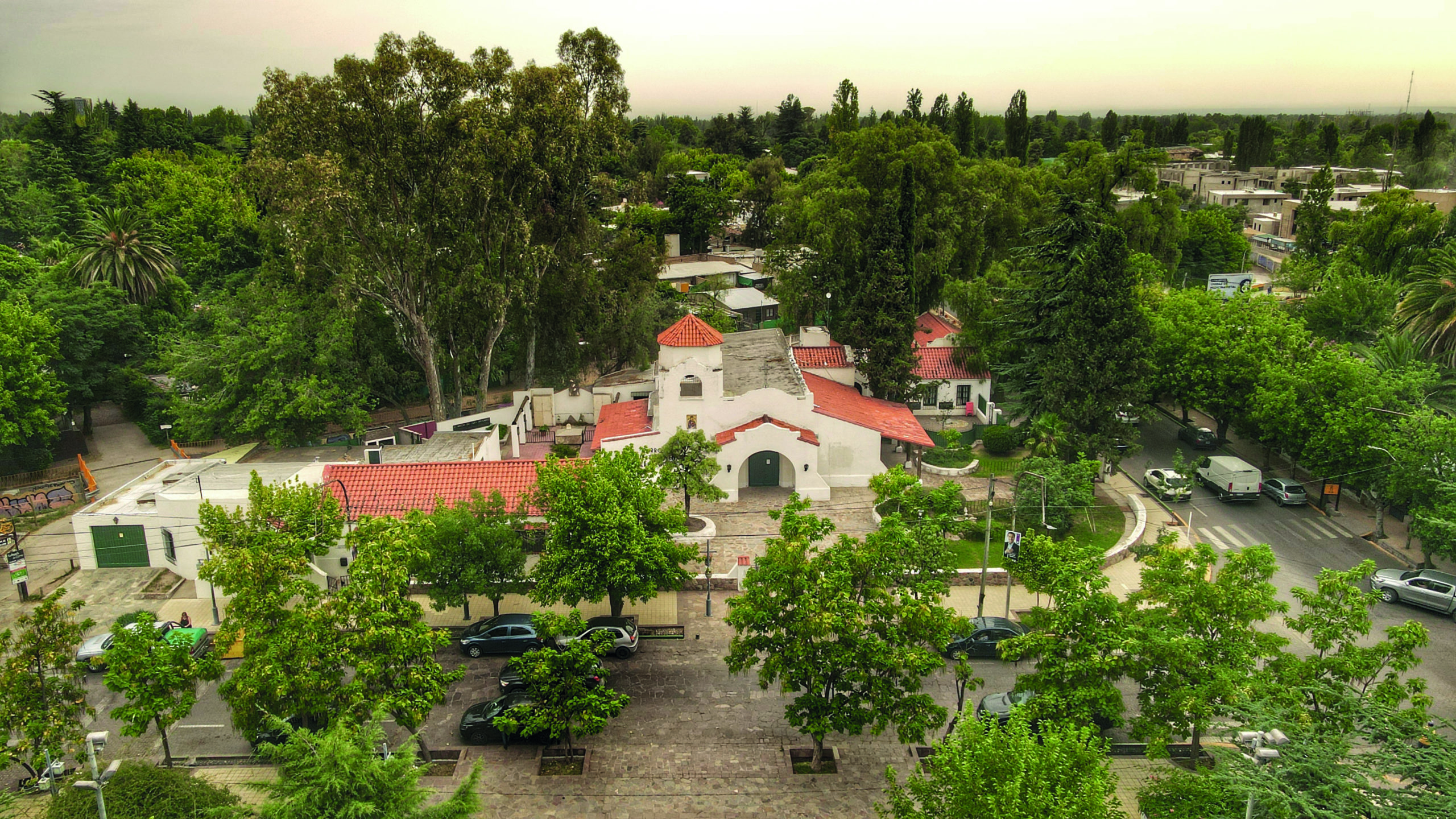
Nearby, Alta Vista proposes to discover wine from a contemporary perspective, opening the door to its haute cuisine at its Assemblage Restaurant, blend of Argentine and French traditions.
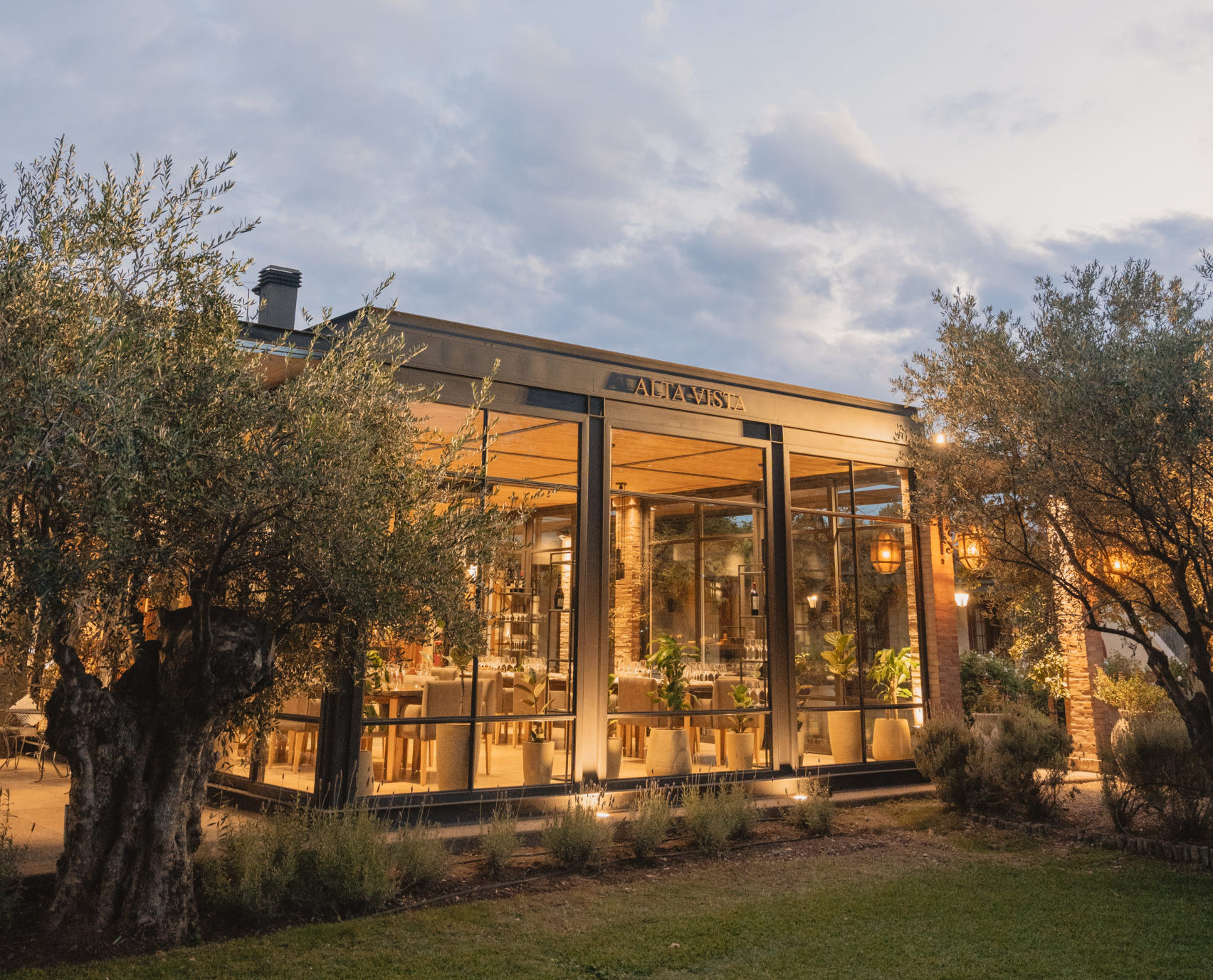
The tour continues to Maipú, where the history of Argentine wine continues to be written between century-old wineries and innovative projects. Bodegas López, one of the great references of national viticulture, keeps alive a family tradition that began more than a century ago, while Trapichehttps://trapiche.com.ar/ opens the doors of one of the most emblematic wineries in the country to show how innovation and heritage can coexist in the same place.
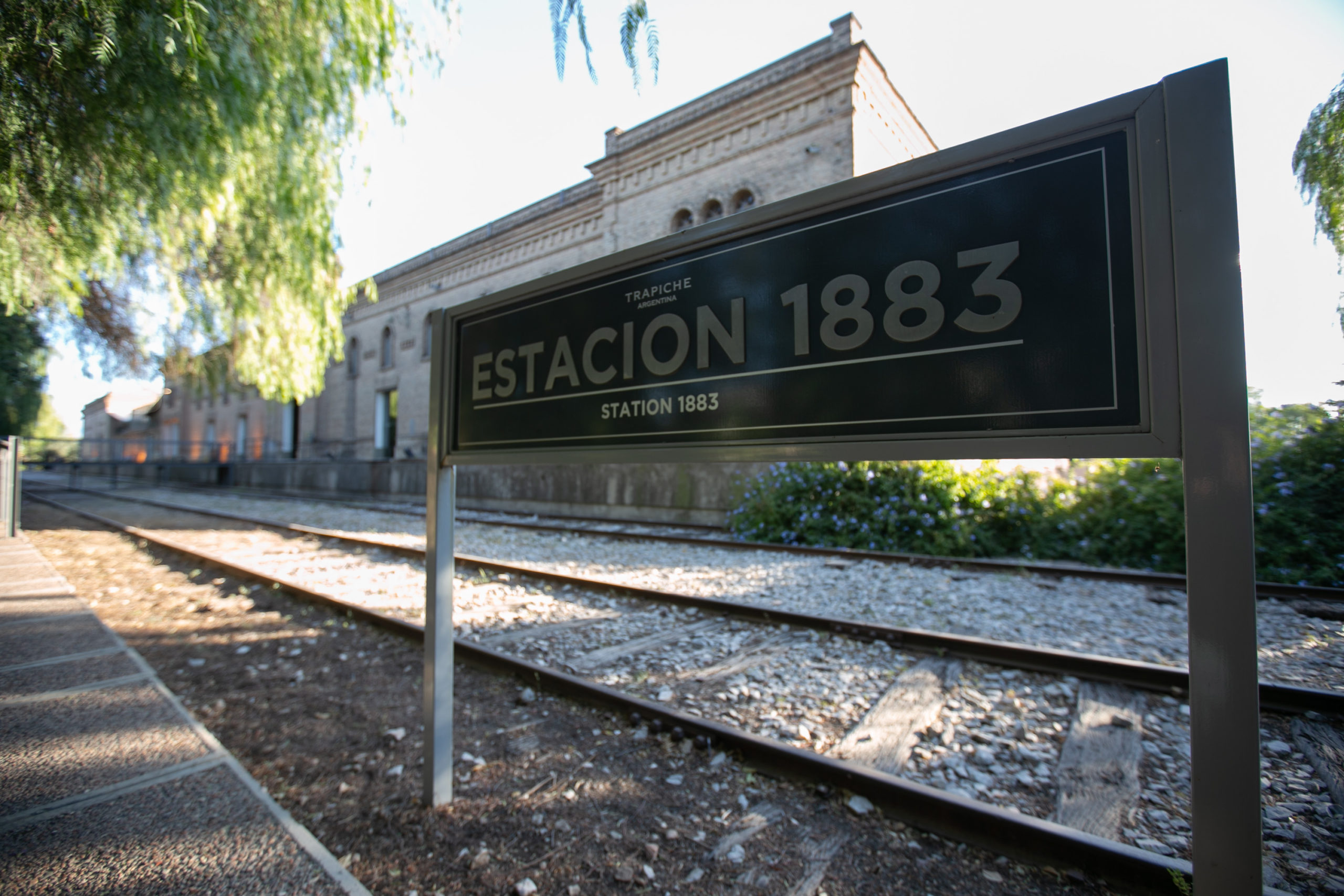
Few kilometers away, Casa Vigil turns gastronomy and literature into an immersive experience that transcends tasting. Lunch among vineyards, with the mountains as a backdrop and a menu inspired by seasonal products, is an invitation to understand why Mendoza wine cannot be separated from its landscape.
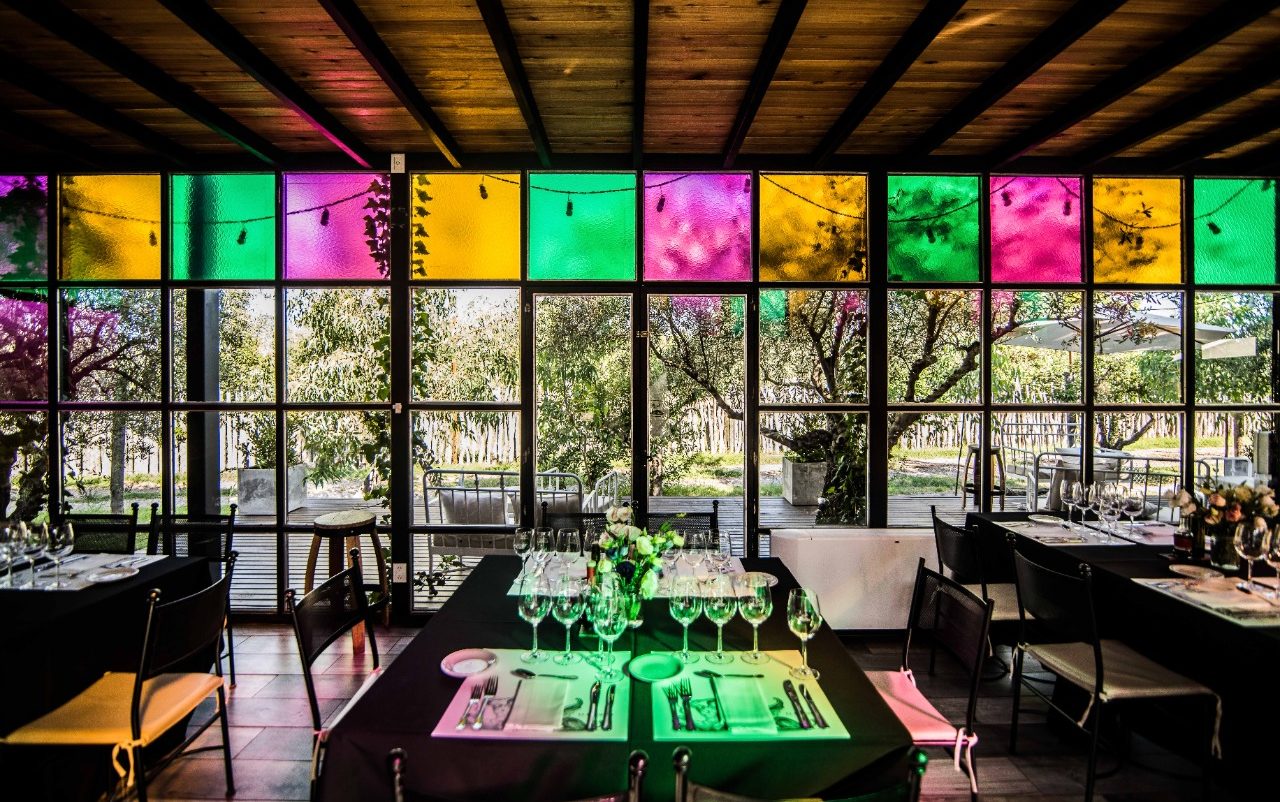
Among the vineyards there are also extensive olive groves that enrich the experience. In establishments such as Laur, recognized among the best oil mills in the world, extra virgin olive oil reveals aromas and flavors that reveal the landscape to the senses. The tasting of oils, olives and regional products thus becomes a natural complement to the wine tour.
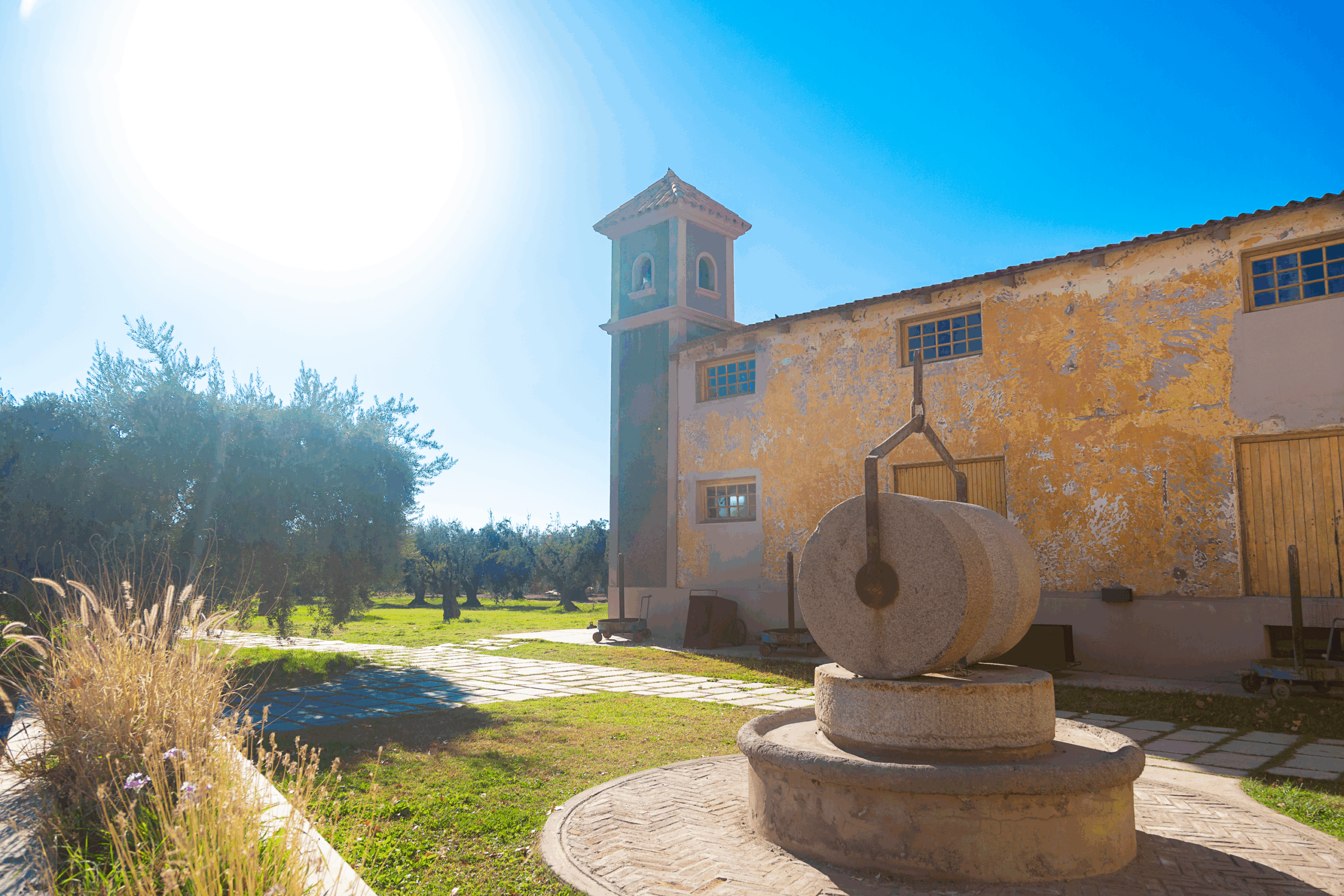
Those looking for an even deeper connection with the landscape can continue to the Uco Valley, where contemporary architecture seems to emerge among the vineyards. Wineries such as Salentein, Andeluna, The Vines Resort & Spa or SuperUco offer experiences that combine hospitality, haute cuisine, art and mountain wines in an environment where silence is only interrupted by the wind that comes down from the Andes.
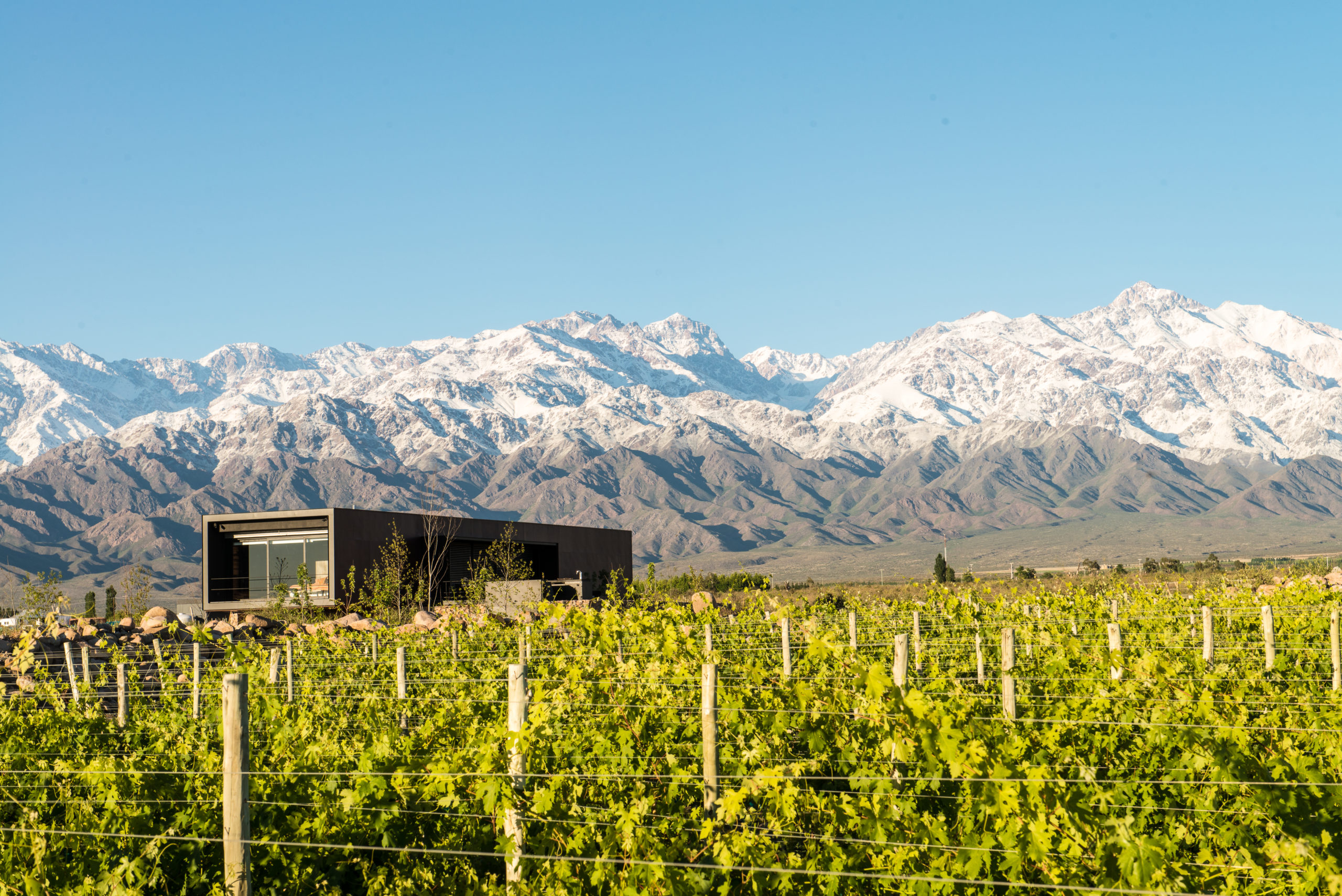
After a lunch among the vineyards, it is easy to return to the city to discover museums, cafés and restaurants in the city center.
In Mendoza, the urban and rural landscapes dialogue with us through the irrigation channels that run through the city and carry the water that nourishes its vineyards and olive groves. Chefs work with ingredients sourced directly from local farms. Winemakers live close to their wineries while enjoying a vibrant city with a rich cultural, culinary and artistic agenda. The countryside inspires the city, and the city shares the flavors of the countryside with the world.
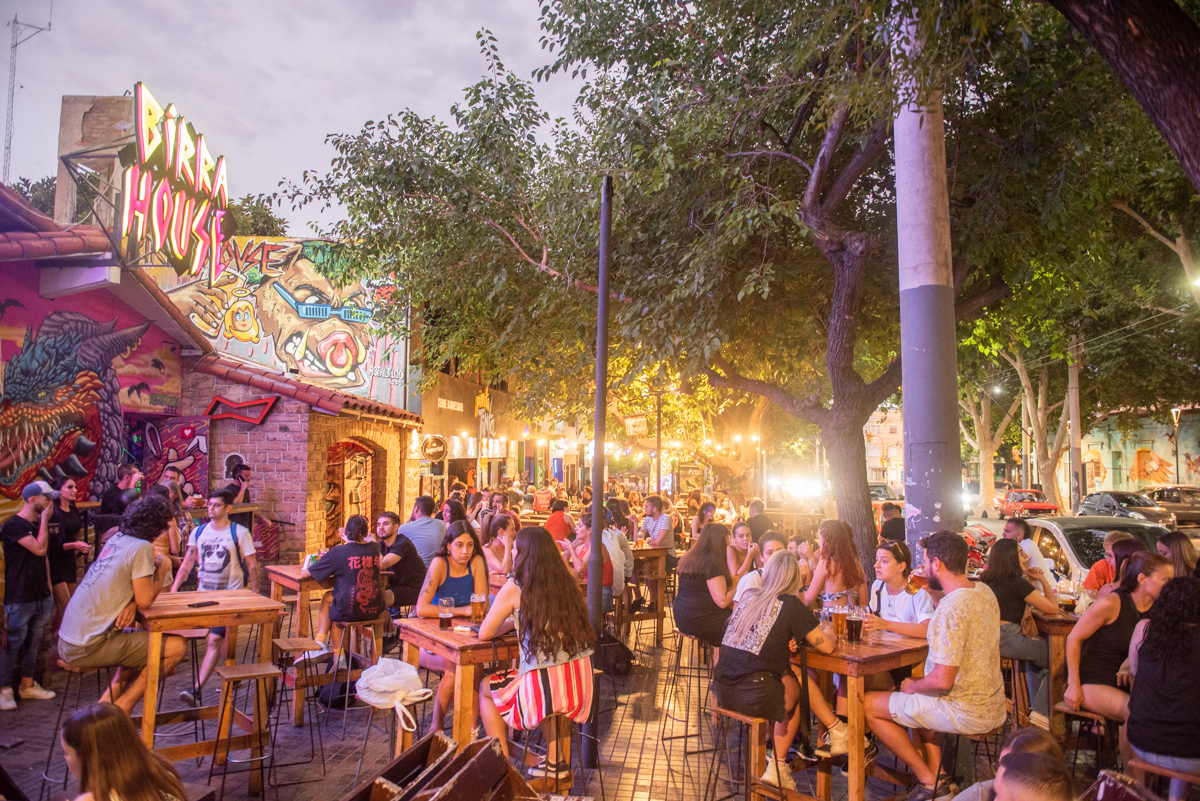
Perhaps that’s why so many travelers come back and many decide to stay to live in a destination where the border between an urban walk and a toast among vineyards practically disappears.
When the sun sets behind the Andes Mountains and the golden light dyes the vineyards, it is difficult to remember when the city ended and the countryside began. In Mendoza, that question loses meaning. Both landscapes are part of the same story. And those who discover it, inevitably, want to relive it.
Text and photo credits: EMETUR (Tourism Board of Mendoza)