
Wine tourism in Rioja does not stand still — and keeps raising the bar. The Rioja Wine Tourism Monitor — the eighth consecutive annual report published by the Rioja DOCa Regulatory Council — confirms that Bilbao-Rioja, one of the Great Wine Capitals, continues to deepen its standing as a world-class wine tourism destination. The data reflects not just more visitors, but a richer, more valuable and more internationally recognized experience.
A record year for winery activity
In 2025, DOCa Rioja’s wineries received 930,364 visits, a 1.96% increase over the previous year and the continuation of an unbroken upward trend since 2018. But the headline figure goes further. When winery visits are combined with wine bar services (170,841, up 22.5% from 2024) and attendees at events hosted on winery grounds (over 63,000), the total footfall recorded at Rioja’s wineries reaches 1,164,388 — a milestone that the sector had long set its sights on, and that the 2025 Monitor confirms has now been achieved.
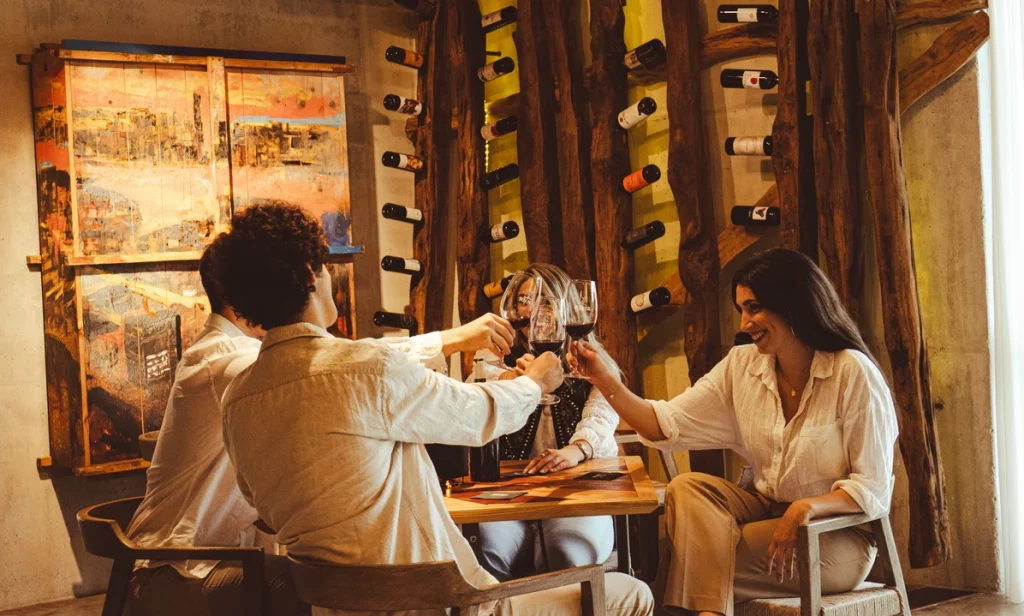
This broader measure of activity captures a shift that defines modern wine tourism in Rioja: the winery is no longer just a place to taste wine on a guided tour. It is a venue for concerts, corporate retreats, private celebrations, gastronomic events and spontaneous drop-ins at a wine bar. Rioja’s wineries have become full-service hospitality destinations.
226 wineries, and a supply that keeps raising the bar
The number of Rioja wineries open to the public reached 226 in 2025, up from 214 the previous year. These wineries have, on average, been welcoming visitors for 15.5 years — a track record that speaks to the maturity and professionalism of the sector. All three of Rioja’s Wine Routes (Alta, Alavesa and Oriental) hold official certification from ACEVIN, Spain’s wine route association, and the Secretary of State for Tourism.
The depth of the offering is striking. Nearly 65% of Rioja wineries now have a wine bar, and over 50% offer meeting and event spaces for corporate clients. Premium experiences — the most exclusive visits, tastings and private tours available — average €216.45 per person, a new high, and one that is now largely consistent in price and quality across all three sub-zones of the designation. The sector is moving deliberately toward value, not just volume.
More than 70% of wineries have a dedicated wine tourism department, staffed by professionals with an average of over 10 years of experience in the field. Virtually all (92.47%) report that their wine tourism operations are helping them meet their business goals, and approximately 75% consider the activity profitable.
Revenue growing faster than visits
The most significant finding of the 2025 Monitor may be this: wine tourism revenue in Rioja is outpacing visitor growth by a ratio of more than four to one. The total wine tourism revenue at DOCa Rioja wineries reached €71.46 million in 2025 — an 8.7% increase over the prior year, equivalent to €5.7 million in additional income.
This growth is not driven solely by higher footfall. Rioja’s wineries are charging — and earning — more per visitor. The average price of a basic guided winery visit with tasting reached €23.24 in 2025, an all-time high. The average spend per visitor in the winery store reached €42.98, also a record. Both figures have risen steadily for years, reflecting a visitors base that is engaged, knowledgeable, and willing to invest in the experience.
Additional revenue streams beyond visits and retail — including wine bars, MICE events and private celebrations — contributed a further €23.9 million, bringing the in-winery total to €71.46 million. Of that, approximately €12.4 million was collected in VAT, underscoring wine tourism’s contribution to the public finances.
A €214 million engine for the territory
The economic story extends well beyond the winery gate. According to the Monitor, winery spending represents roughly one-third of the total expenditure a wine tourist makes in the Rioja region. When accommodation, restaurants, retail and local services are factored in, the total economic impact of wine tourism across the DOCa Rioja territory is estimated at €214.38 million in 2025 — an increase of €17.16 million compared to 2024.
That impact also shows up in employment: wine tourism is estimated to support approximately 775 direct jobs across the region, up from 725 in 2024.
Wineries are investing in the future
Perhaps the clearest signal of confidence in Rioja’s wine tourism trajectory is what wineries are putting back into it. In 2025, investment in wine tourism infrastructure, marketing and digital tools reached €6,765,617 — nearly double the 2024 figure and more than triple the 2023 figure. Investment priorities include new facilities (25.32% of total), promotion and sales (13.92%) and digitalization (12.66%).
More than 68% of wineries expect wine tourism demand to keep growing steadily in the years ahead, and 81% say the activity is becoming more important to their business with each passing year.
Rioja on the world stage
Rioja’s appeal is genuinely global. In 2025, 36% of all winery visits came from international travelers, with the United States leading at 26.93%, followed by the United Kingdom (21.46%) and Germany (12.33%). The growing presence of visitors from across the Americas — a segment that posted one of the highest growth rates this year — points to expanding recognition of Rioja as a world-class wine destination in markets where Great Wine Capitals already has a strong foothold.
The typical Rioja wine tourist is someone who comes prepared and engaged: 86.93% arrive with a prior reservation, and nearly 80% are described by wineries as wine enthusiasts or people with a genuine interest in the world of wine. A large share — 57.83% — are also motivated by food and gastronomy, an area in which Rioja and Bilbao, Basque Country consistently rank among Europe’s finest.
The dominant age group is 45–65 (78.31% of visitors), a demographic that combines deep wine knowledge with strong purchasing power. Reaching younger generations remains a stated priority for many wineries, and the sector is investing in more accessible formats — wine bars, outdoor events, gamified experiences — to make that connection.
What makes Bilbao-Rioja one of the Great Wine Capitals
The Great Wine Capitals network brings together regions recognized for the depth and quality of their wine tourism offering. Rioja earns its place in that organization on the strength of exactly what the 2025 Monitor documents: a dense, professionally run network of wineries across a diverse and scenic territory; a growing international audience; and a sector that is investing seriously in quality, diversification and long-term sustainability.
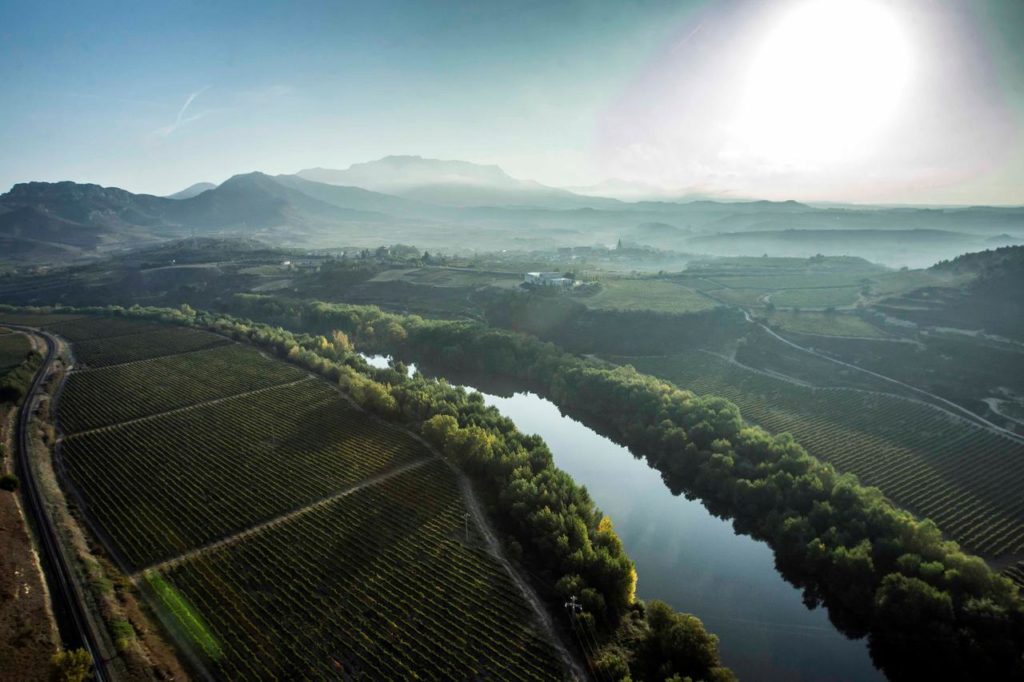
With over 65,000 hectares under vine, three distinct wine-producing zones, a world-class gastronomic tradition, and now a documented economic impact approaching a quarter of a billion euros, Rioja is not merely holding its position among the world’s great wine destinations. It is raising the standard for what a wine tourism destination can be.
Source: Monitor de Enoturismo de la DOCa Rioja 2025. Consejo Regulador de la Denominación de Origen Calificada Rioja / DINAMIZA Asesores, May 2026.
Text by Liz Aldayturriaga
Featured photos credit: Rioja DOCa Regulatory Council
For more information about Bilbao-Rioja, visit Bilbao-Rioja Great Wine Capitals