
At the foothills of the Andes, where snowmelt waters nourish vineyards, orchards, and olive groves, gastronomy has become one of the most authentic ways to experience Mendoza. Wine remains the region’s defining ambassador, but around it has emerged a rich culinary ecosystem that tells the story of the land, its people, and its traditions.
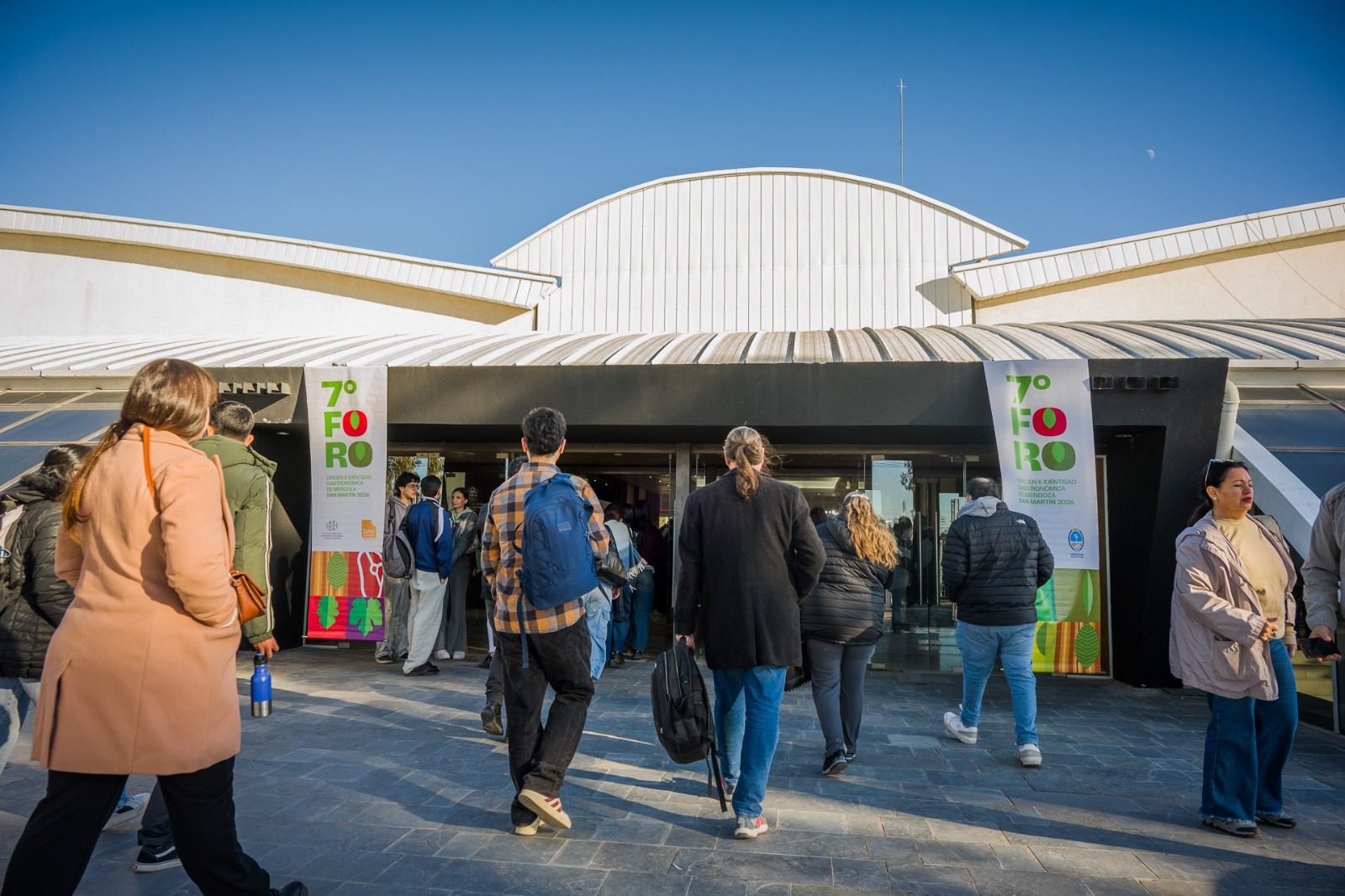
This vision was at the heart of the 7th Mendoza Forum on Gastronomic Origin and Identity, an event that gathered more than 1,000 producers, chefs, researchers, tourism professionals, entrepreneurs, cultural leaders, and academics. More than a gastronomic gathering, the forum demonstrated how food has become an essential pillar in the ongoing process of Designing the Destination Mendoza.
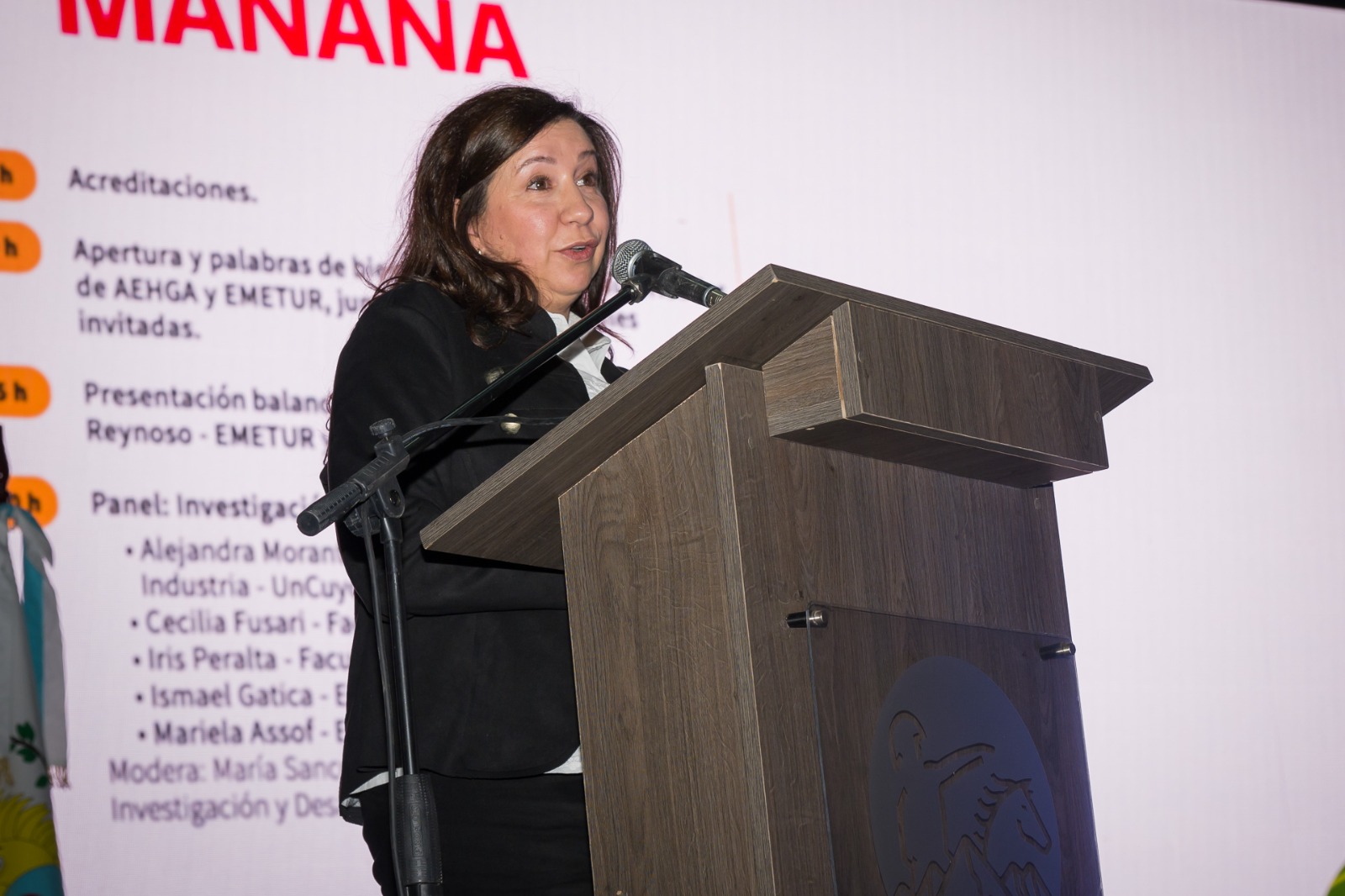
The forum also reflected the strong institutional commitment behind Mendoza’s gastronomic strategy. The event brought together key public and private sector leaders, including Gabriela Testa, President of the Mendoza Tourism Board (EMETUR); Raúl Rufeil, Mayor of General San Martín; Mario Abed, Mayor of Junín; Tadeo García Zalazar, Minister of Education, Culture and Children; Cynthia Maggioni, Vice President of EMETUR; María Sance, Vice President of AEHGA and President of the Mendoza Institute for Gastronomic Research and Development; as well as representatives from universities, research institutions, tourism chambers, and productive sectors across the province. Their presence demonstrated that gastronomy is no longer viewed simply as a culinary expression, but as a shared public-private strategy for tourism development, territorial identity, and economic growth.

A Destination Built Around Authentic Experiences
Today’s travelers seek more than beautiful scenery. They seek meaningful connections with the places they visit. Increasingly, gastronomy provides that connection.
For Mendoza, food serves as a bridge between vineyards and communities, between heritage and innovation. It offers visitors the opportunity not only to taste local products, but also to understand the stories, knowledge, and traditions behind them.
The forum showcased the progress of Mendoza’s Gastronomic Identity Development Plan (DIGAM), a long-term initiative aimed at identifying, strengthening, and promoting the products and culinary knowledge that make the province unique.
This approach aligns naturally with the concept of destination design. A destination is no longer defined solely by its attractions. It is shaped by the experiences that visitors can live, remember, and share. Every local ingredient, every traditional recipe, and every encounter with a producer contributes to that experience.
Preserving Heritage While Embracing Innovation
One of the strongest messages from the forum was that gastronomy allows Mendoza to celebrate both its past and its future.
A clear example is the Tortita Raspada, a traditional type of bread bun that has recently been officially incorporated into Mendoza’s identity food list. Deeply rooted in everyday life and passed down through generations, it represents a culinary tradition dating back to colonial times.

Alongside this emblem of heritage stands the Zapallo Coquena, a pumpkin variety developed by researchers at INTA (National Institute of Agriculture Technology) La Consulta in the Uco Valley. Known for its vibrant orange color, sweetness, and versatility, it embodies innovation and the future of local food production.
Together, these two products illustrate a key principle of destination development: authenticity is not static. It evolves. Protecting heritage does not mean remaining in the past. It means ensuring that local identity continues to grow and remain relevant.

Where Research Meets the Table
Another important dimension of the Gastronomy Forum was its focus on knowledge and research.
Universidad Nacional de Cuyo and INTA researchers shared studies and projects exploring Mendoza’s agricultural products and their culinary potential. This collaboration between science, production, and gastronomy is helping to elevate local ingredients and create new opportunities for tourism experiences.
For visitors, this creates a richer narrative. Mendoza is not simply a place where exceptional products are grown. It is also a place where innovation, sustainability, and research contribute to shaping the future of food.
From extra virgin olive oil and olives to honey, oregano, vermouth, spirits, cheeses, charcuterie, and regional meats, the province continues to diversify the experiences available to travelers beyond wine tourism.
Each product becomes another reason to visit and another way to understand the territory.
Wine and Gastronomy: An Essential Partnership
In Mendoza, gastronomy reaches its fullest expression when it meets wine.
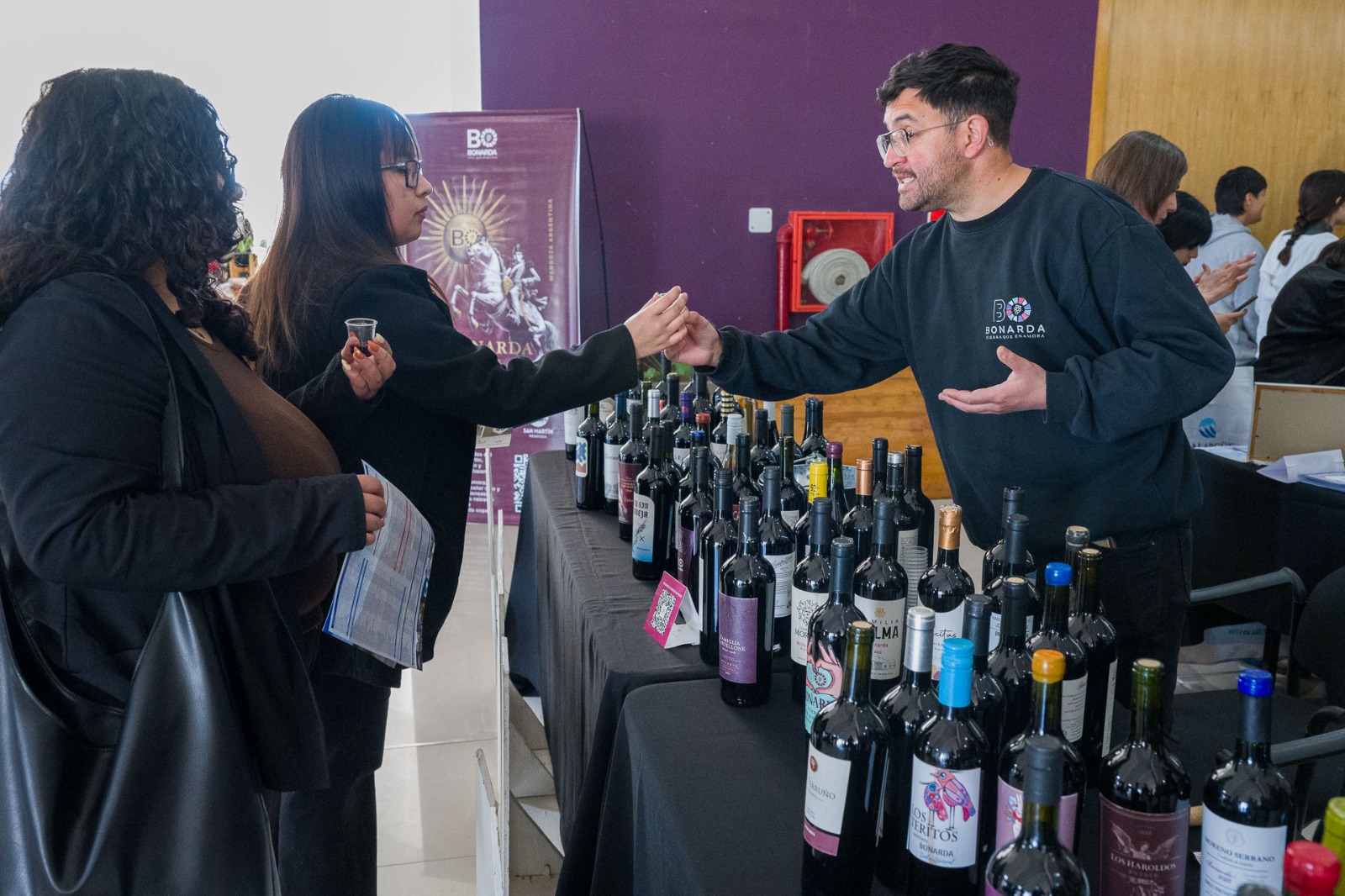
A glass of Malbec enjoyed among the vineyards is much more than a tasting experience. It is an encounter with landscape, culture, craftsmanship, and tradition. The pairing of food and wine creates experiences that are uniquely Mendoza.
Visitors may begin their journey at a winery, but increasingly they continue it through local cuisine, markets, artisan producers, and regional products.
This integration reflects a broader strategy for designing the destination: creating connected experiences that encourage travelers to explore more deeply and stay longer.
A journey that starts in a vineyard can lead to a traditional bakery, an olive oil producer, a farm, a local restaurant, or a market filled with regional ingredients. Every stop adds another layer to the story of Mendoza.
People at the Heart of the Experience
Destination design is ultimately about people.
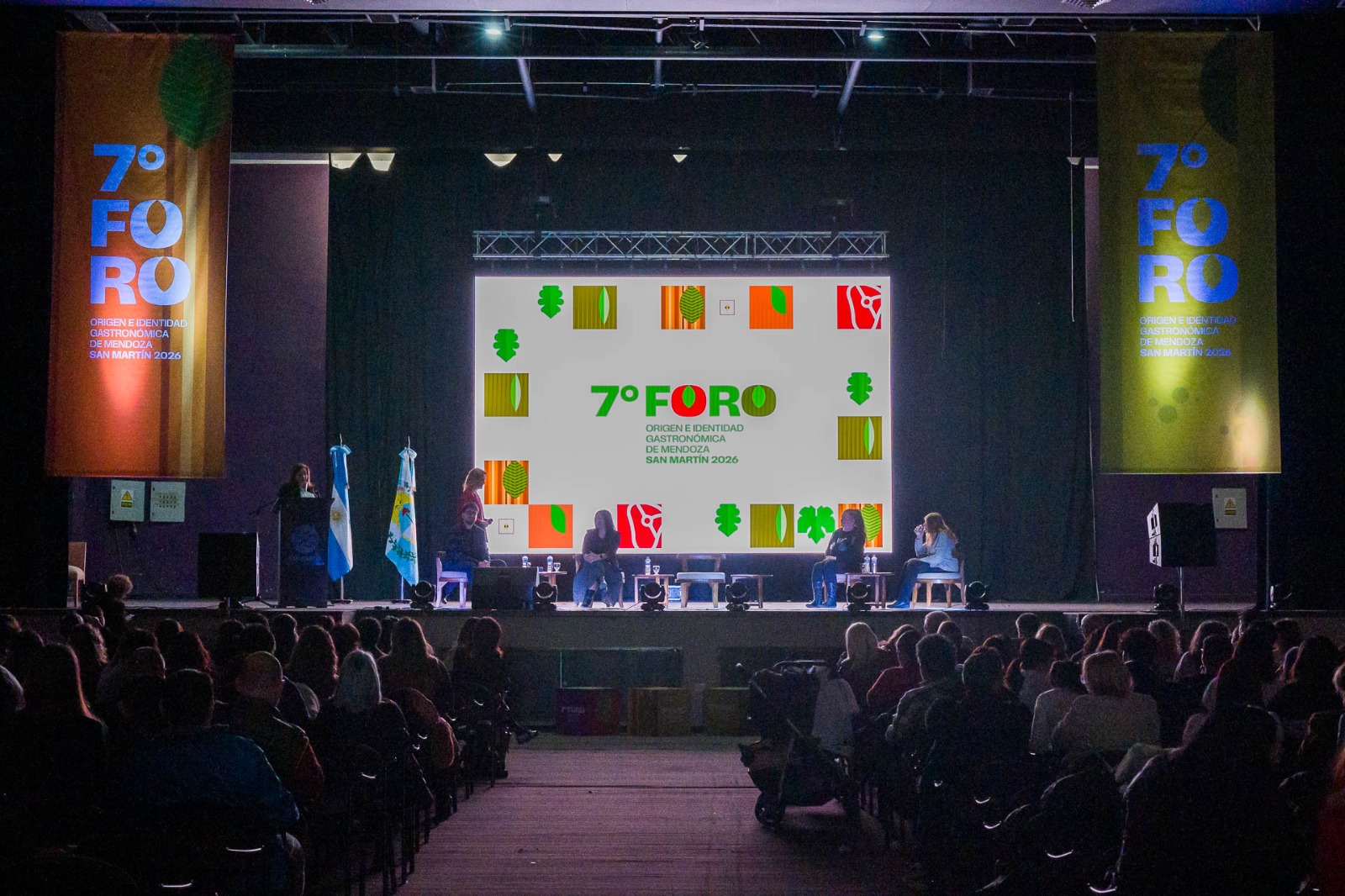
The forum highlighted this through the discussion panel Women Who Inspire, Kitchens That Transform, which celebrated the role of women in gastronomy and their contribution to local development, entrepreneurship, and community transformation.
Behind every memorable meal there are producers, cooks, researchers, farmers, artisans, and families who pass knowledge from one generation to the next.
For visitors, meeting these people often becomes one of the most meaningful parts of the travel experience.
Designing Mendoza Through Flavor
The 7th Forum on Gastronomic Origin and Identity reinforced a powerful idea: gastronomy is not simply an attraction within Mendoza’s tourism offering. It is a strategic tool for building destination identity.
Through gastronomy, Mendoza connects wine, agriculture, culture, innovation, and community. It creates experiences that allow travelers to engage with the destination on a deeper level and to take home memories that last far beyond their journey.
As one explores Mendoza’s vineyards, wineries, mountain landscapes, and culinary traditions, it becomes clear that the province offers much more than world-class wine.
It offers a destination that can be tasted.
And perhaps that is the essence of Designing the Destination Mendoza: creating a place where every flavor, every story, and every glass of wine helps visitors understand what makes this corner of the Great Wine Capitals Global Network truly unique.
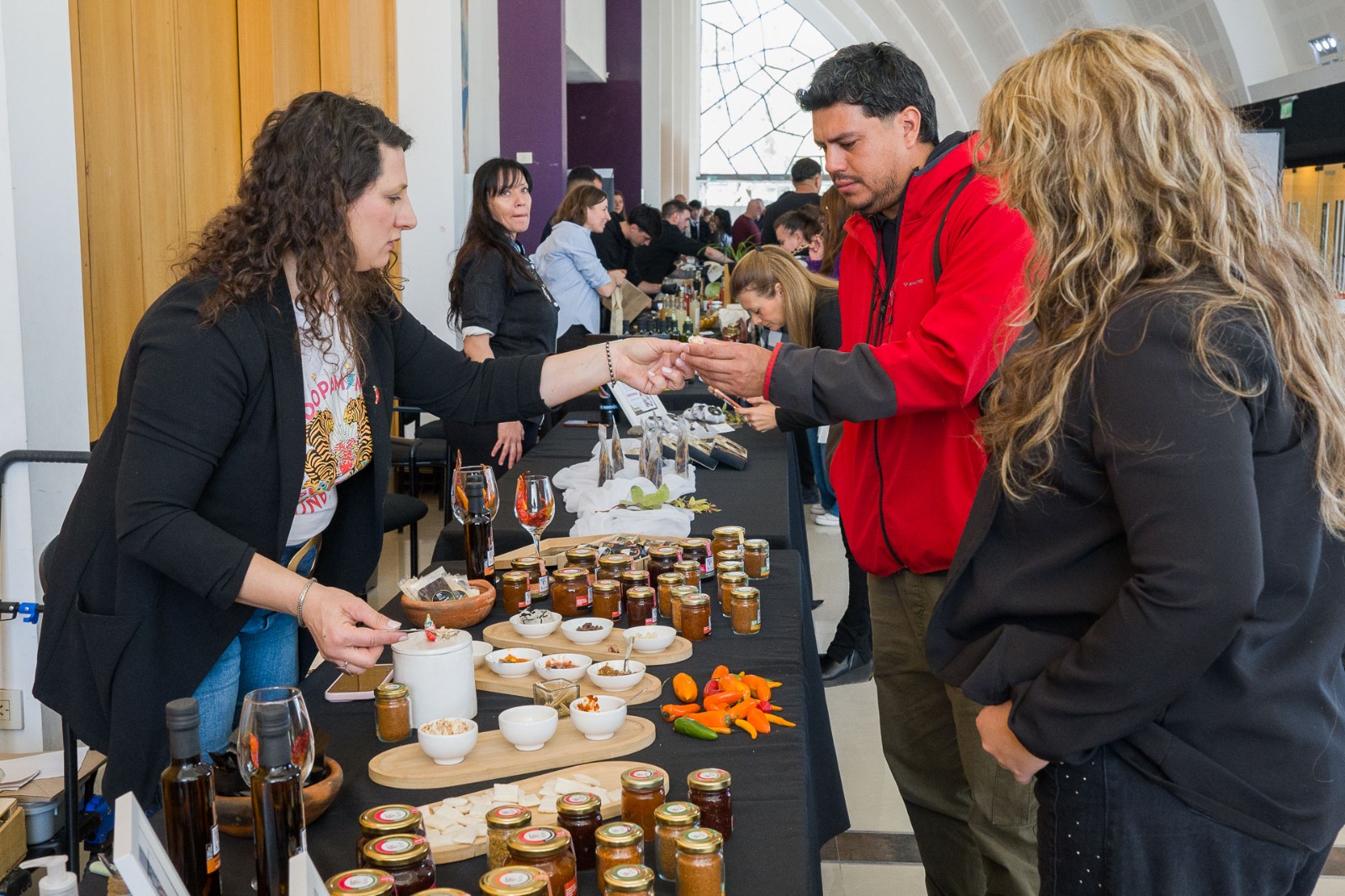
Text and Photo Credits: EMETUR and ProMendoza