
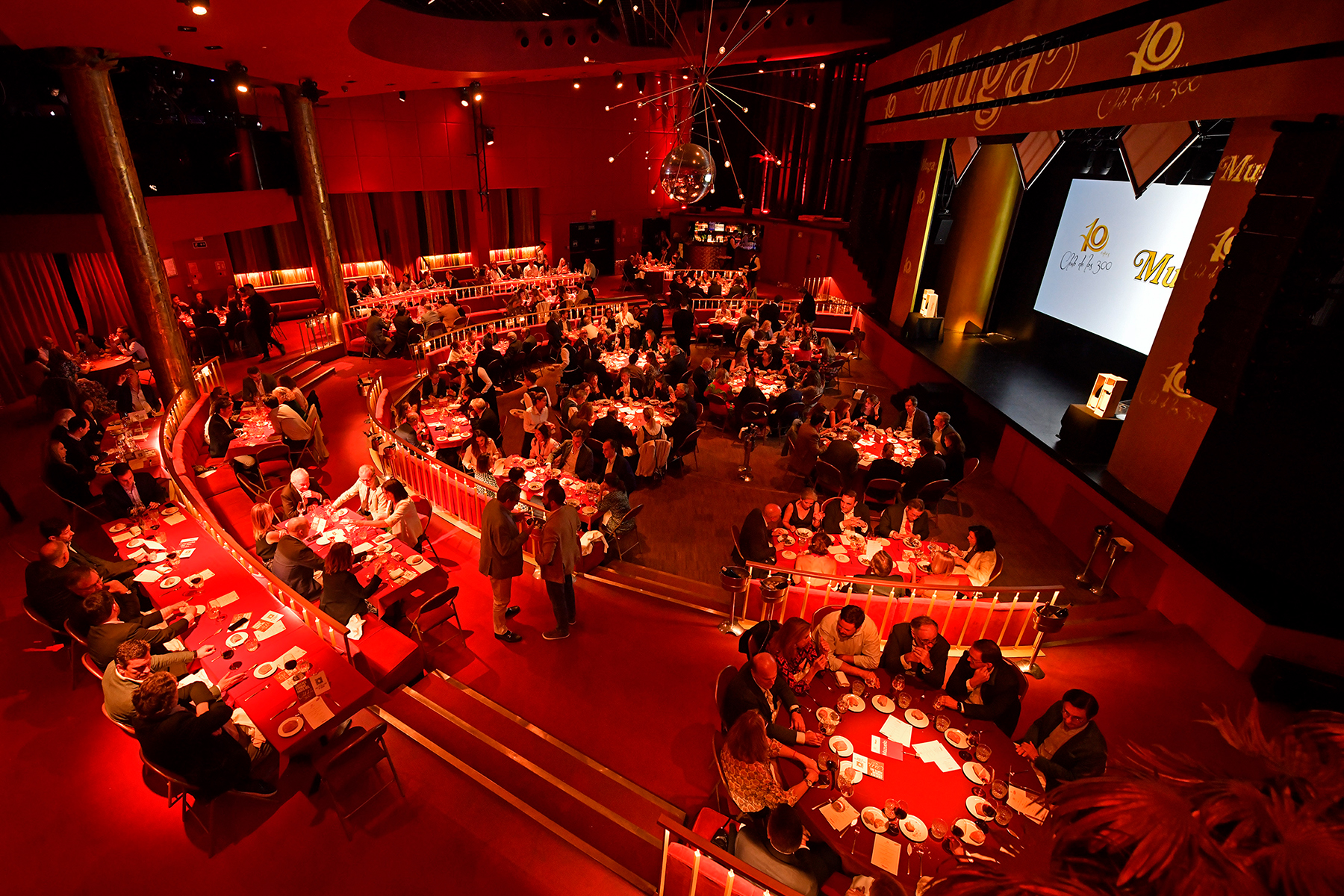
Rioja wineries are carrying out long term cooperation projects to do their part in the struggle to improve the lot of the disadvantaged. These projects are a source of pride and accomplishment for the wineries, contributing in a small way globally, but in a big way for the companies themselves.
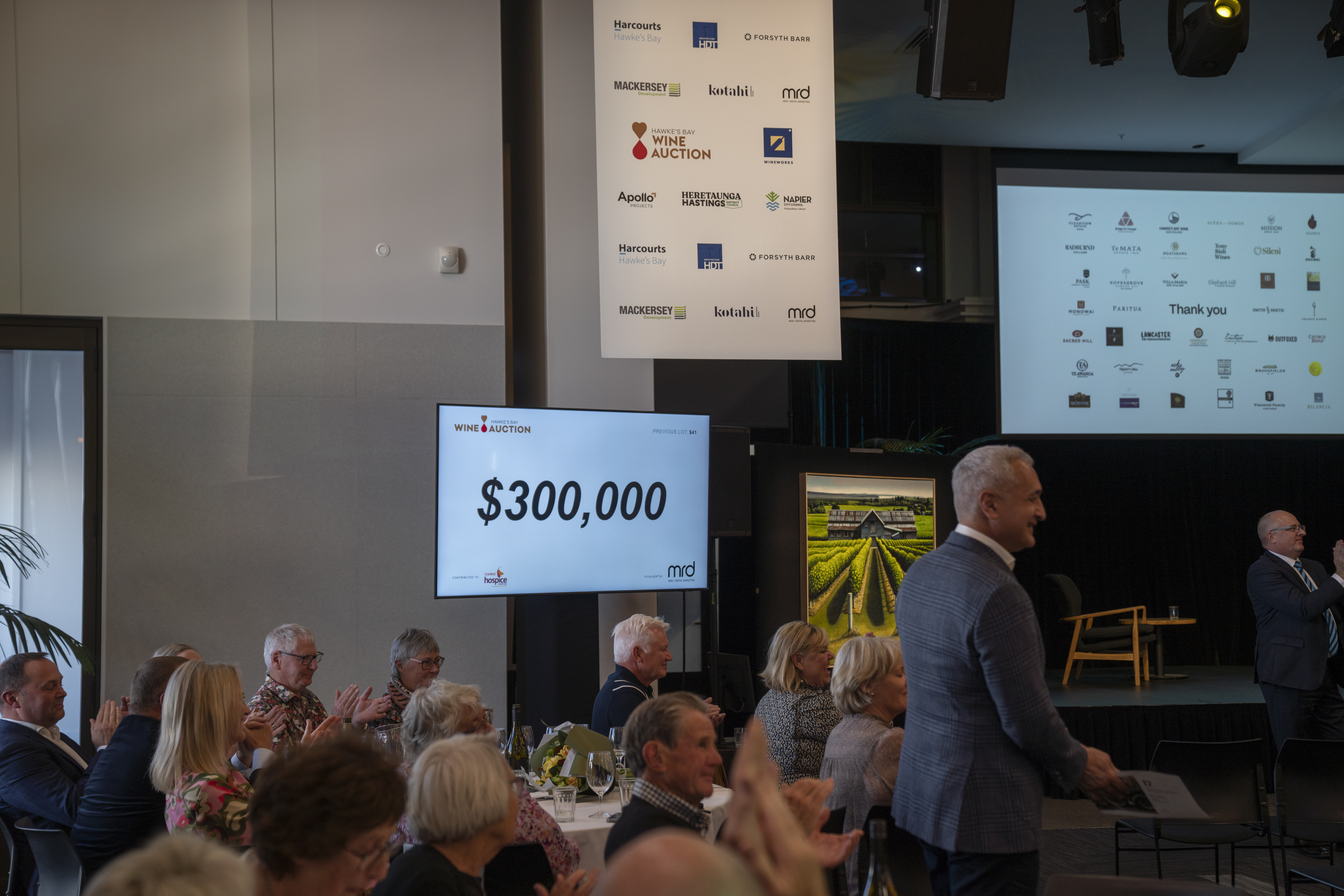
Hawke’s Bay wine industry major palliative care funder
Major funding is delivered to the Hawke’s Bay’s palliative care service, Cranford Hospice, every year thanks to the generosity of the region’s wine industry.
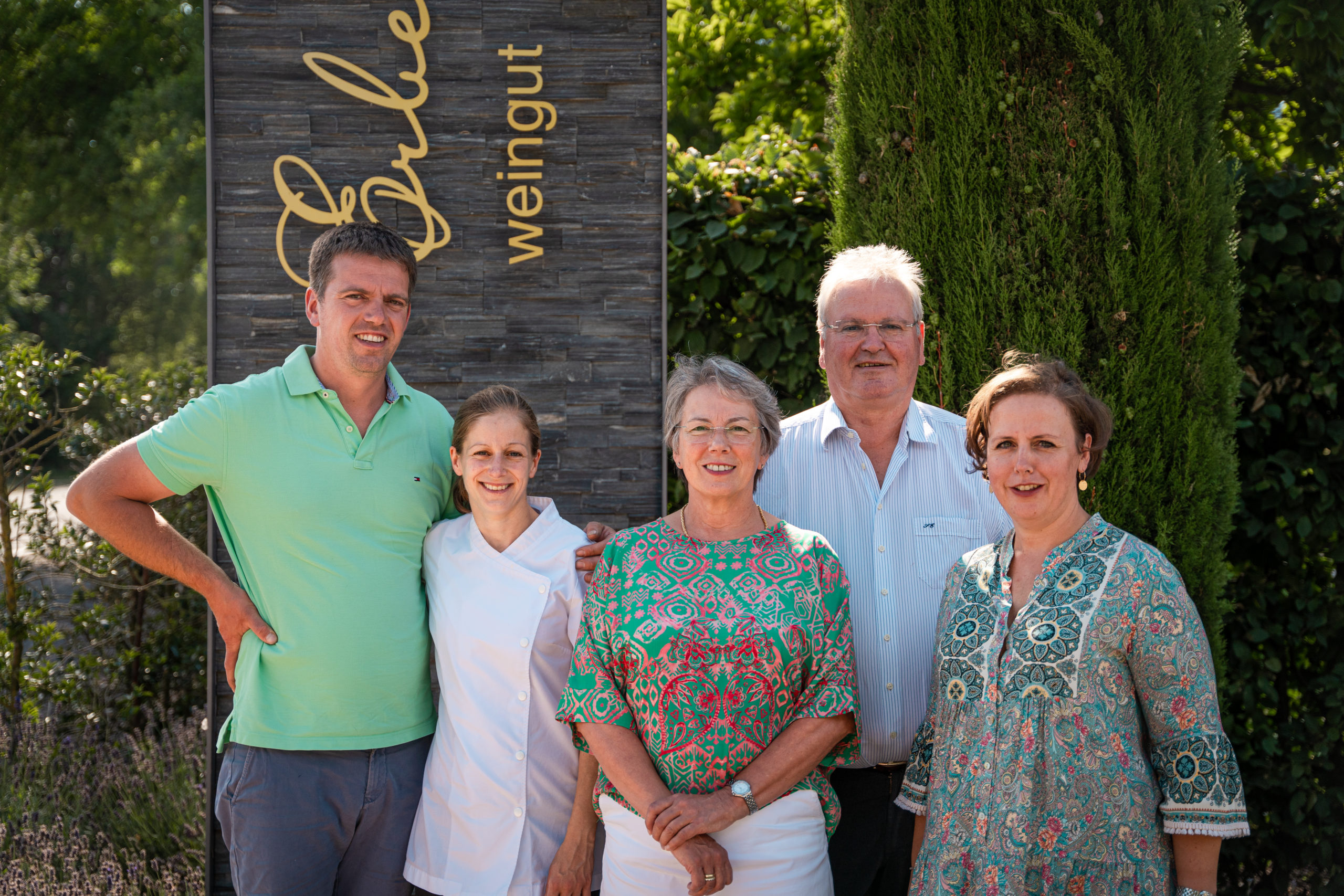
Weingut Erbeldinger: A sustainable family
“Weingut Erbeldinger” in Rheinhessen is a Great Wine Capitals prize winner. Extraordinary is the sustainable customer service and the certified organic vintage.
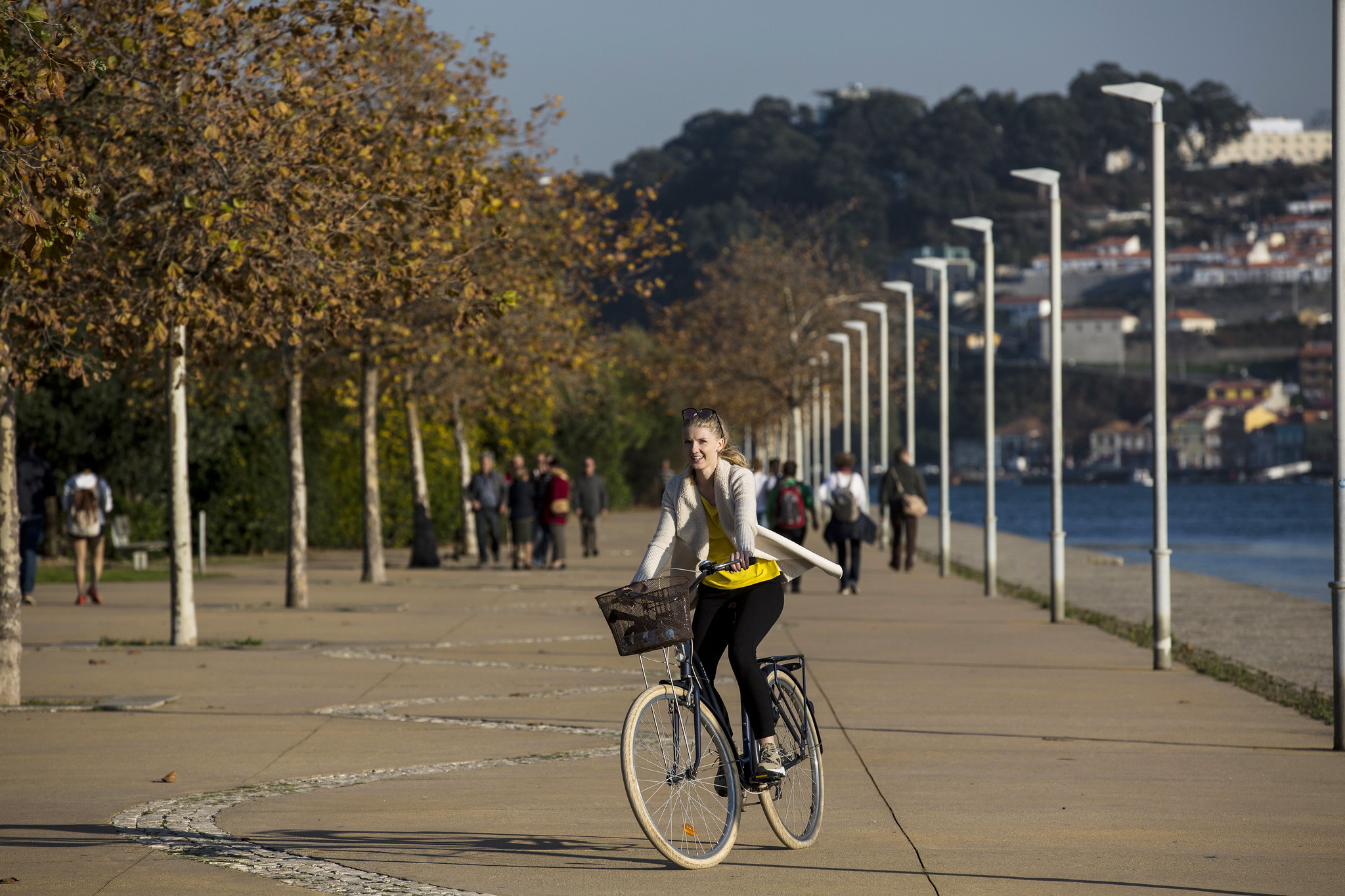
Wine and wilderness: thrilling adventures in Porto, Douro, and Vinhos Verdes regions
Get ready to immerse yourself in the thrilling adventures that await just beyond the city or the vineyards, in a full outdoor experience!
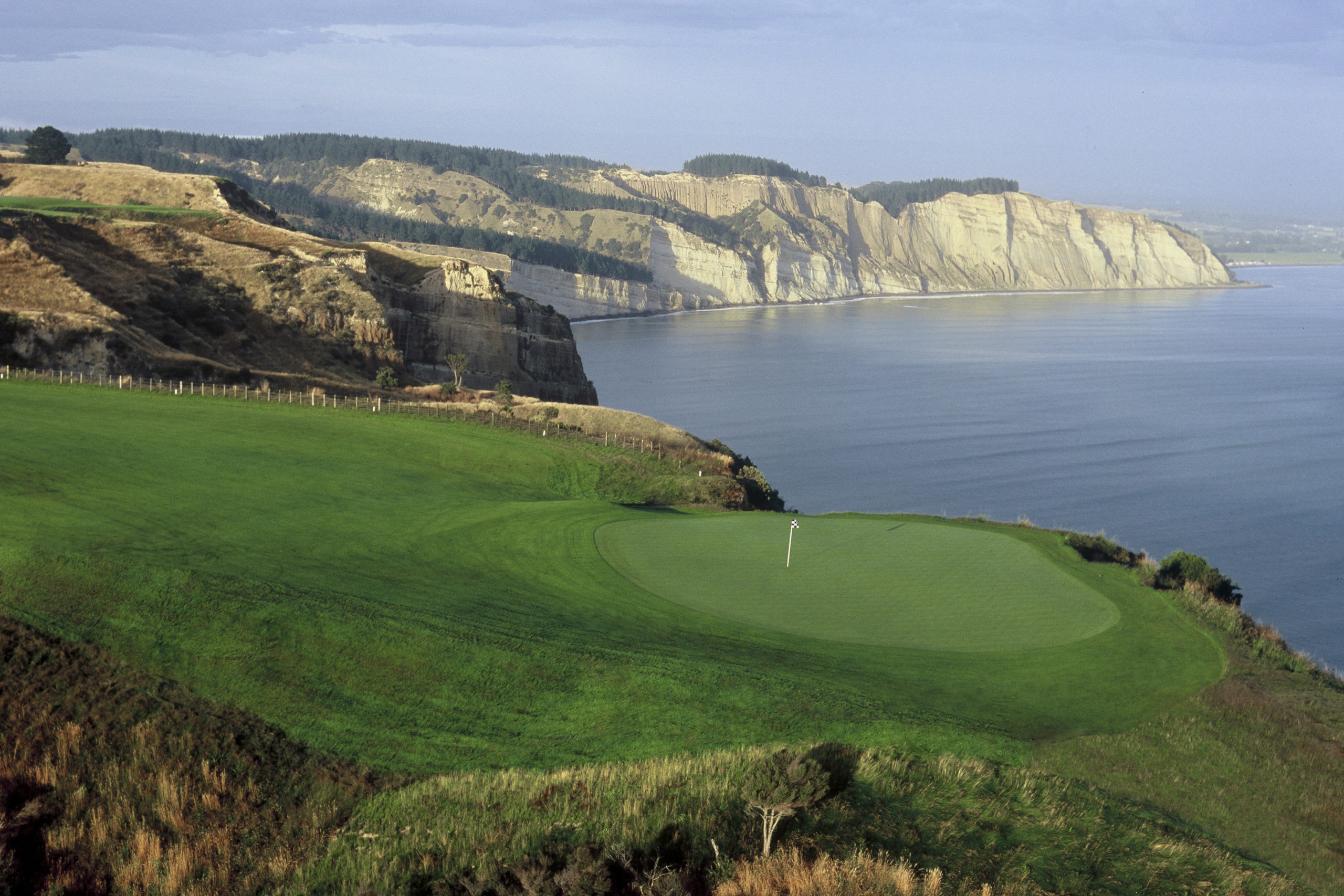
Hawke’s Bay’s Hidden Adventure, Ready to Discover
Hawke’s Bay, New Zealand is renowned for its expansive landscapes, rich cultural heritage, and vibrant wine industry. However, beyond the tranquil vineyards and picturesque beaches lies a realm of exhilarating adventure ready for you to discover. The same countryside...

Uncorking Bilbao and Rioja: Awesome Outdoor Adventures for Nature Lovers
Welcome to Bilbao-Rioja! Let yourself be kissed by the Spanish sun in our beautiful vineyards and beaches. Feel the rhythm of nature, and stop whenever a picturesque spot tempts you for a photo (or a local tapas picnic!).
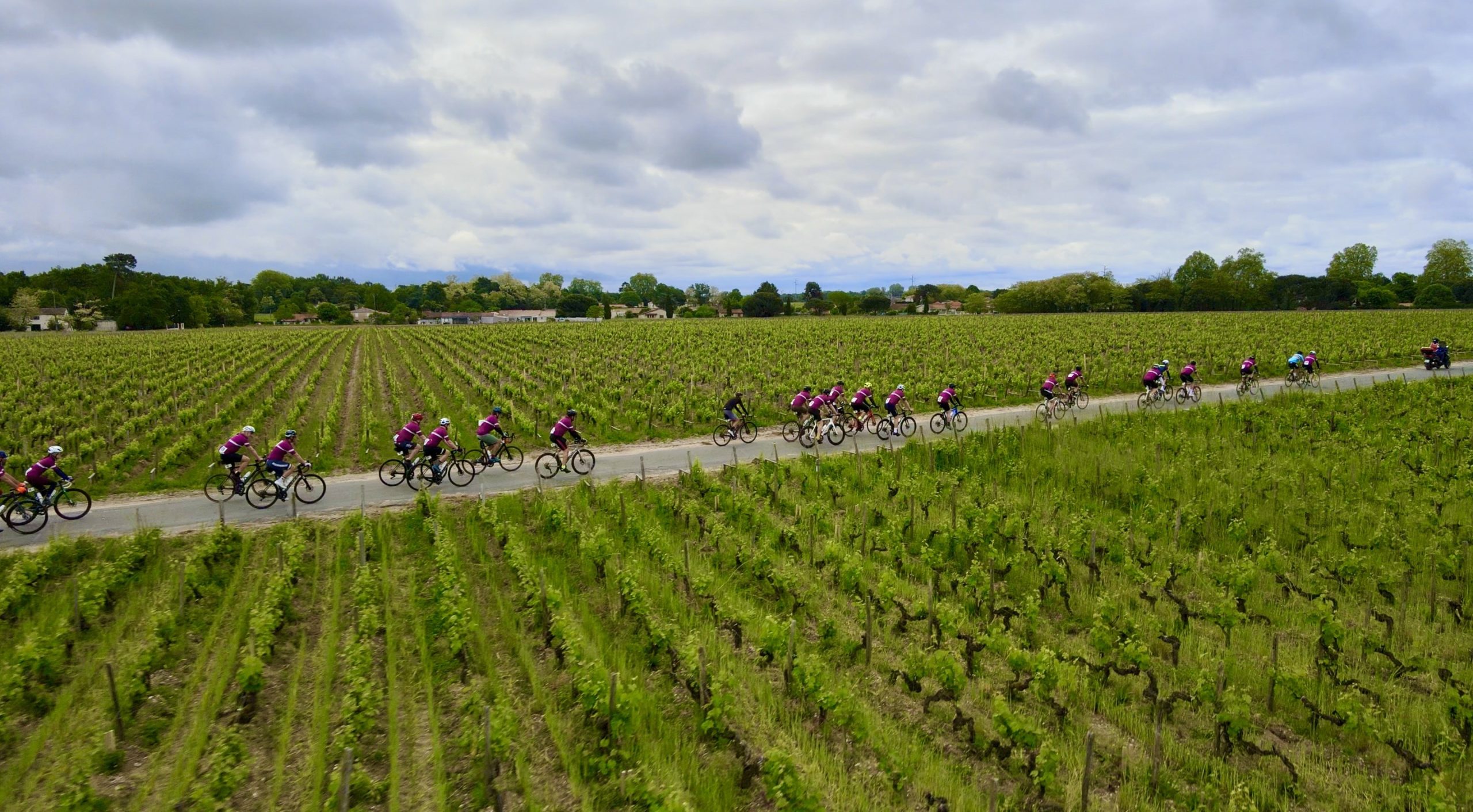
Wine for Good – Bike to care
Bordeaux hosted the second edition of Bike to Care in 2023. This annual charitable bike race partners major names in the international food and beverage world with wine producers from Burgundy and Bordeaux. Their aim is to raise money to help people in need within the hospitality business.
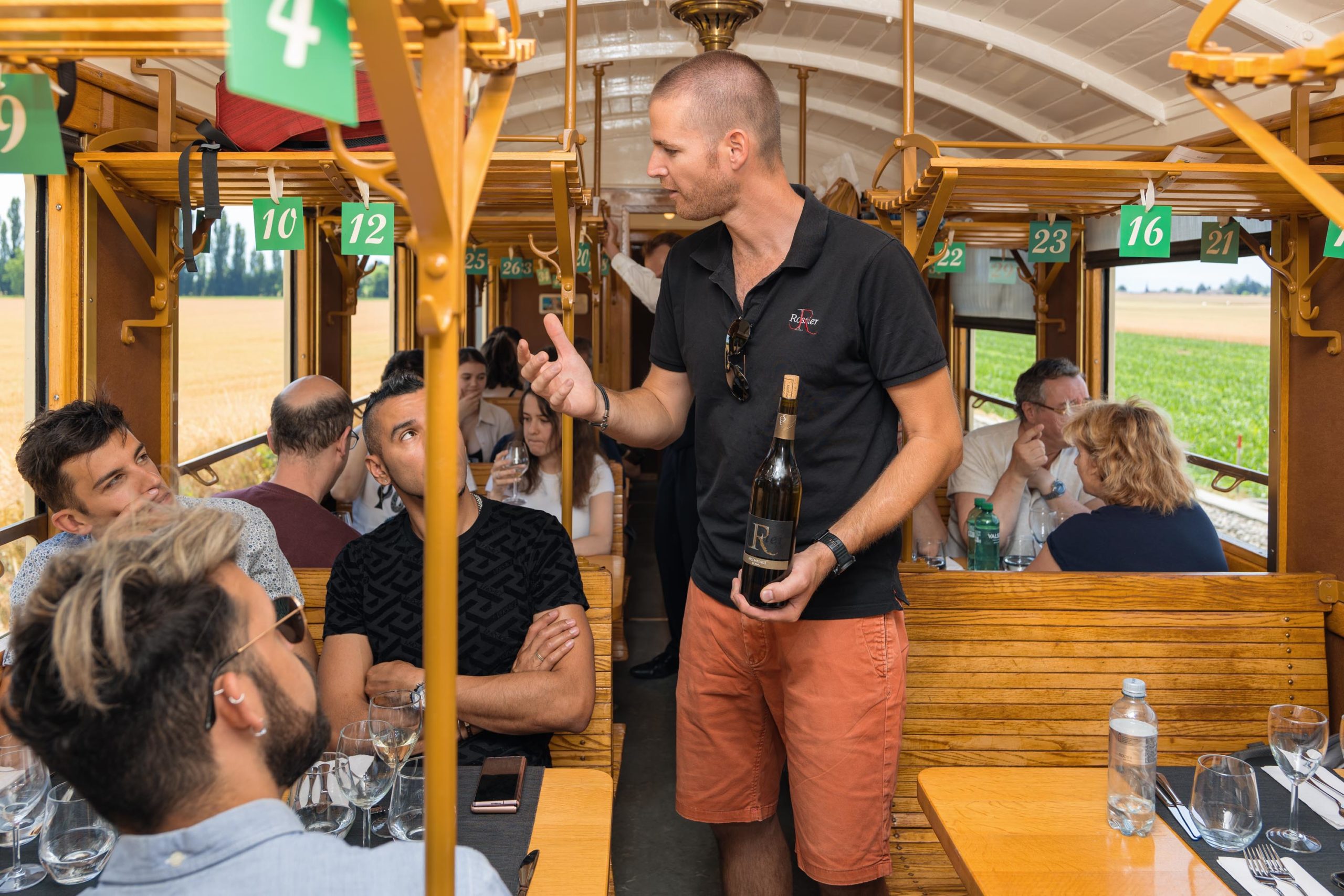
BAM La Voie des Sens – Train du Vigneron: Pioneering Sustainable Wine Tourism in the Scenic Vineyards of Lausanne
Hidden within the breathtaking vineyards of Lausanne, Switzerland, you’ll find BAM La Voie des Sens – Train du Vigneron. This trailblazing wine tourism experience has recently swept across global headlines, thanks to its unique and sustainable approach. The venture offers a delightful blend of history and gastronomy – a memorable train journey that pairs mouthwatering gourmet meals with local wines. Its efforts have not gone unnoticed, as it was recently crowned the Global Winner at the Best Of Wine Tourism Awards, an event orchestrated by the respected Great Wine Capitals Global Network.
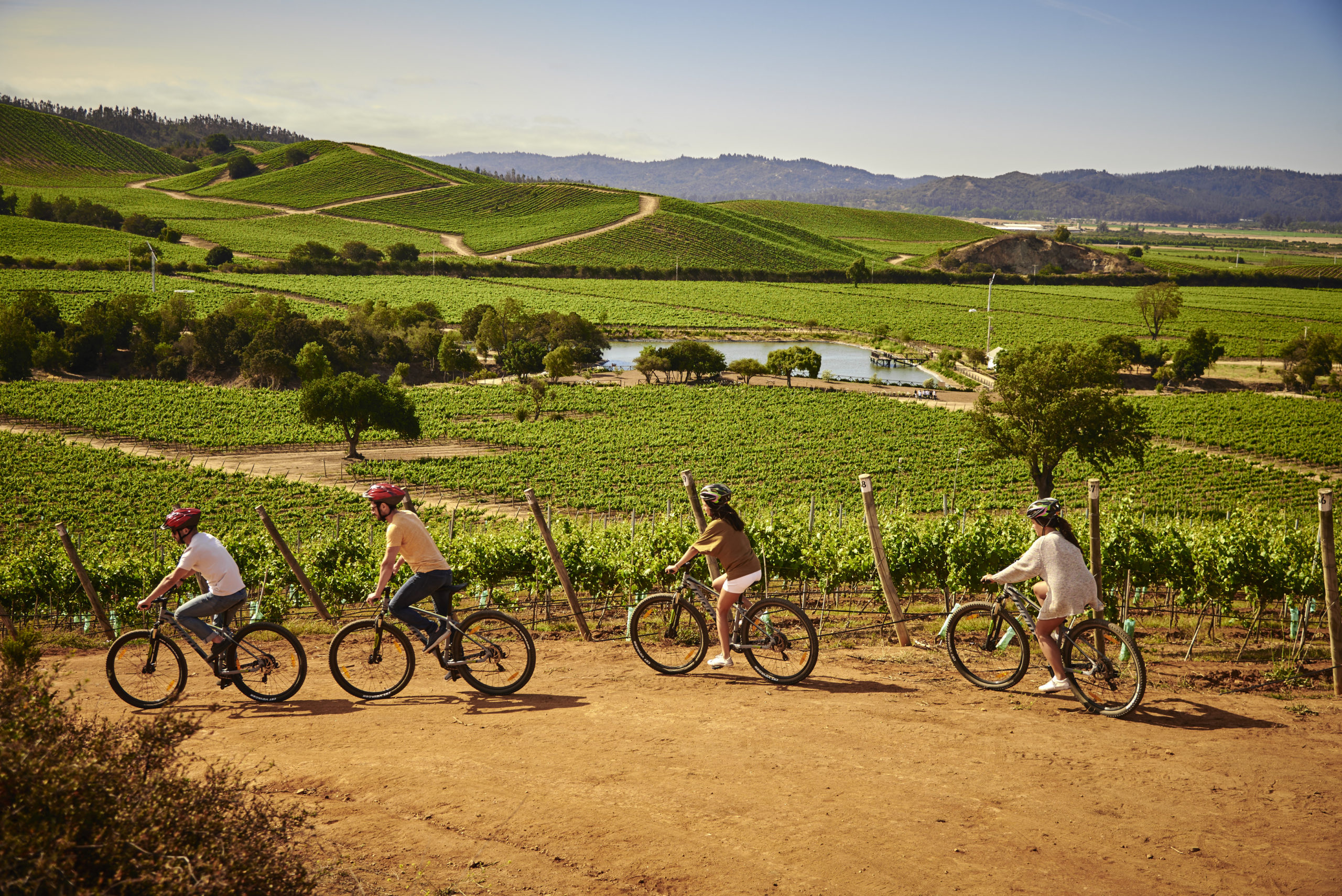
Exploring the Great Outdoors: Exciting Adventures Await at Casablanca Valley Vineyards
Casablanca Valley, nestled amidst Chile’s picturesque landscapes, offers a myriad of captivating experiences amidst its rolling vineyards. Embark on dynamic bike tours, traversing lush greenery, or immerse yourself in celestial wonders during stargazing nights. Each adventure in this enchanting corner of Chile promises to ignite the senses and leave indelible memories of exploration and discovery.
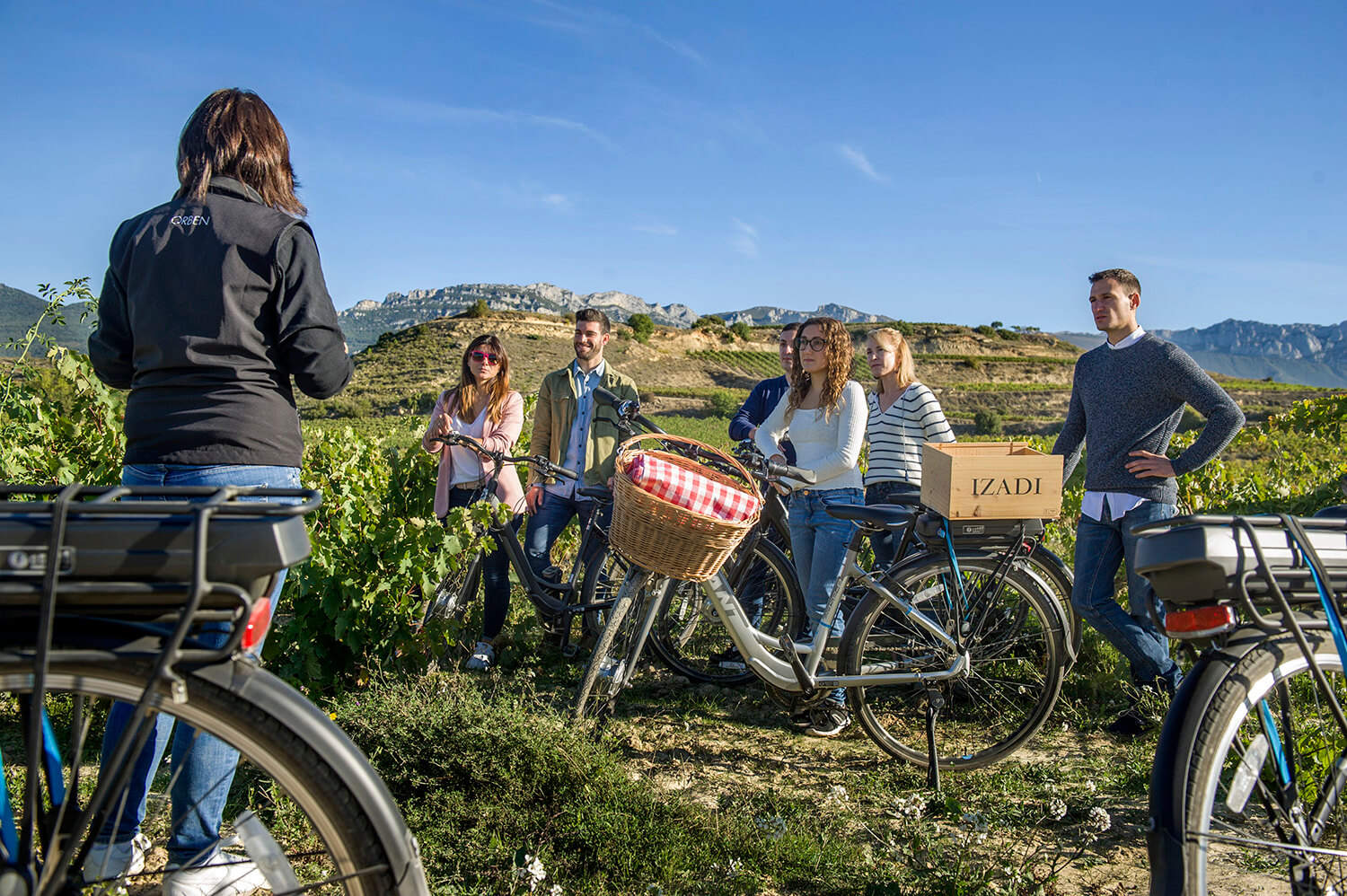
Bodegas Izadi: the Gift of Nature
Feel the warmth of the Spanish sun, and soak in the breathtaking panorama of the exceptional vineyards of Bodegas Izadi In Rioja Alavesa.
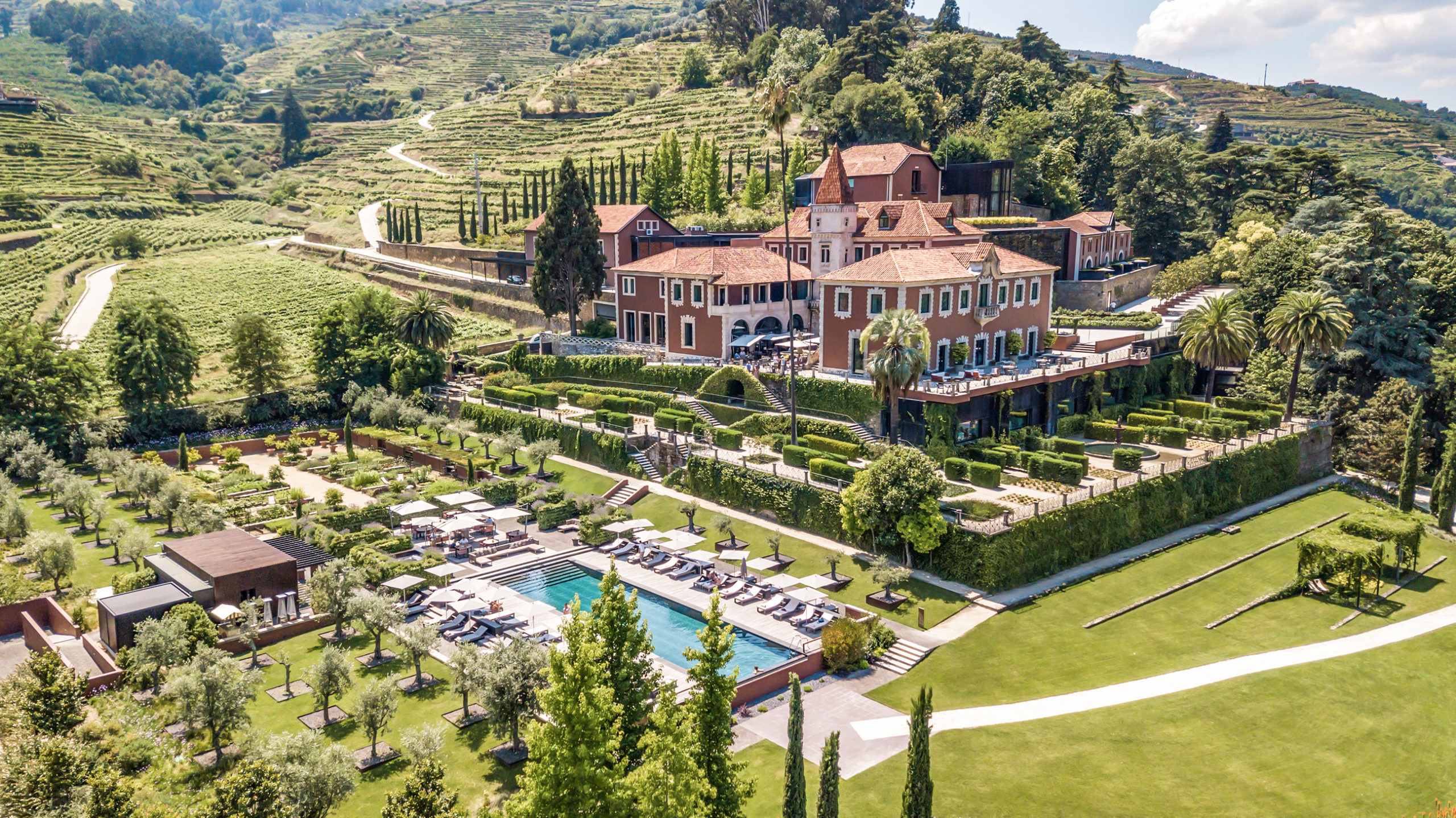
Six Senses Douro Valley: a beacon of sustainable luxury in the Douro
For those seeking a luxurious escape that aligns with their values of sustainability and environmental stewardship, Six Senses Douro Valley offers a truly one-of-a-kind experience
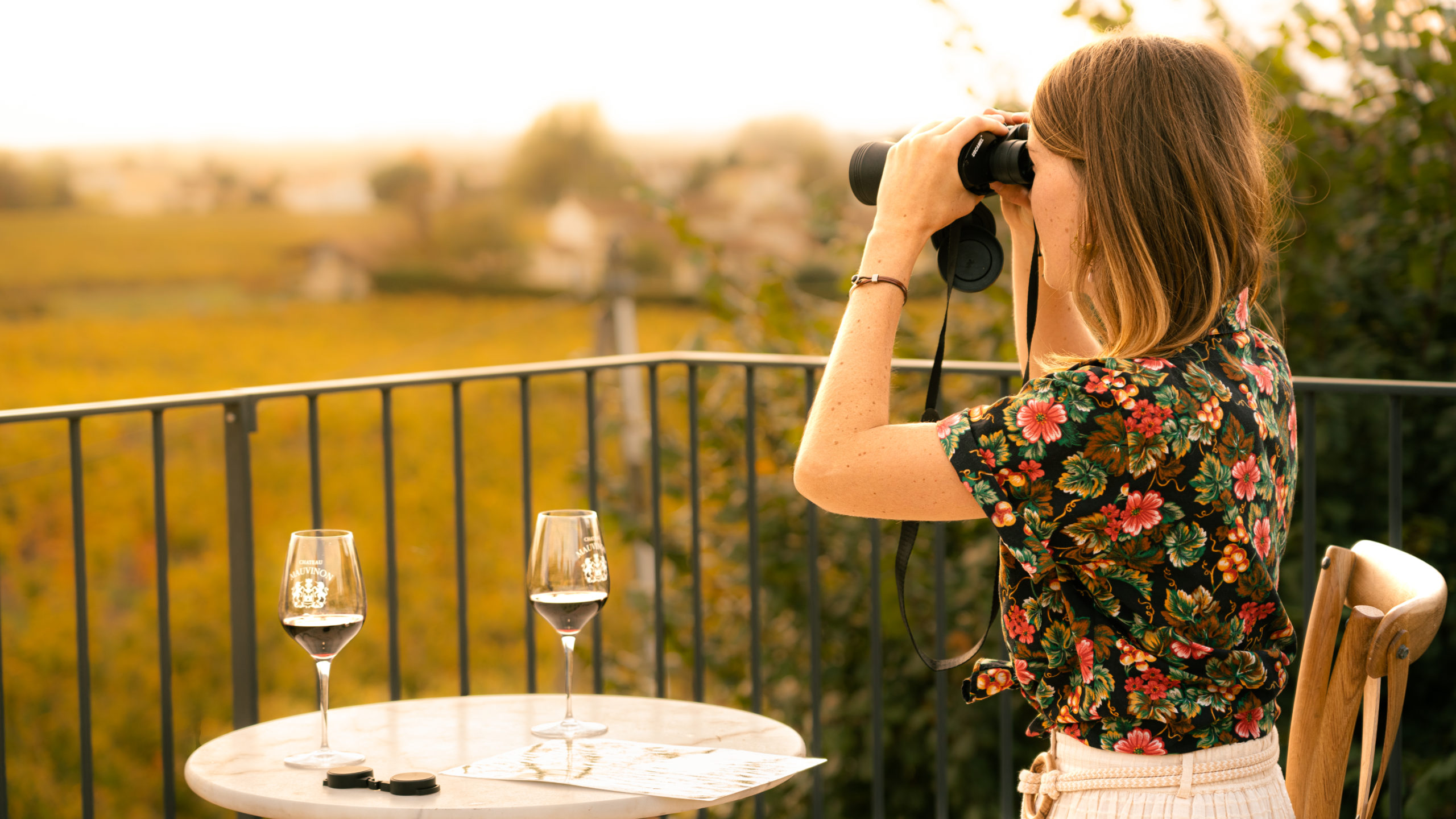
Château Mauvinon – One for the birds in Saint Emilion
Château Mauvinon or the apology of slow tourism – A new Best Of Wine Tourism location in Bordeaux that you must discover !